ADVERTISEMENT
ADVERTISEMENT


Biased organization, has no reputation, credibility: MEA on USCIRF after its opposition to RSS leader's US visit
USCIRF Commissioner Gene Mills had remarked that RSS leaders, even when affiliated with the Indian government, should not be honoured with high-level meetings or diplomatic courtesies
-
 IANS
IANS - Fri, 21, Aug 2026
- 16:50 EDT
- 34
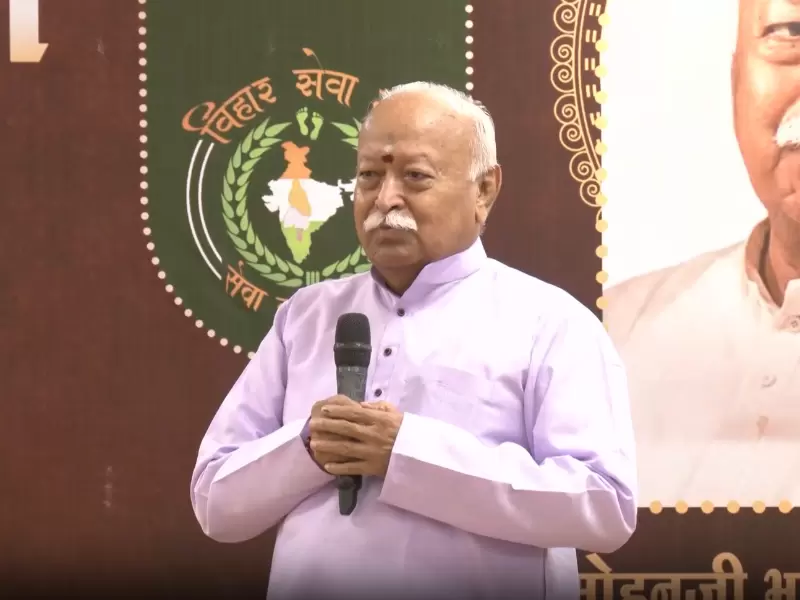 RSS chief Mohan Bhagwat / IANS
After two officials of the US Commission on International Religious Freedom (USCIRF) opposed the Rashtriya Swayamsevak Sangh (RSS) chief Mohan Bhagwat’s visit to the US and asked the Donald Trump administration not to extend high-level meetings or diplomatic courtesies to RSS leaders, India has termed the organization as a biased outfit that resorts to "improper and provocative" statements about India.
Ahead of the RSS chief Bhagwat’s visit to the US to participate in the “Universal Oneness Celebrations,” organized by American Hindus for Engagement and Dialogue (AHEAD) in New York on August 29, India's Ministry of External Affairs (MEA) has advised mediapersons to stay away from such outfits stating that the USCIRF has an agenda of its own and that it doesn't have any "reputation or credibility."
Asked about the USCIRF's opposition to the RSS chief's visit to the US and comments made by the outfit against the same, MEA spokesperson Randhir Jaiswal said on Friday that "we all know it is a biased organization, and for several years, it has been resorting to making improper and provocative statements about India."
"I will say that we should keep a distance from such organizations because such organizations have an agenda of their own and they don't have any reputation or credibility," he said.
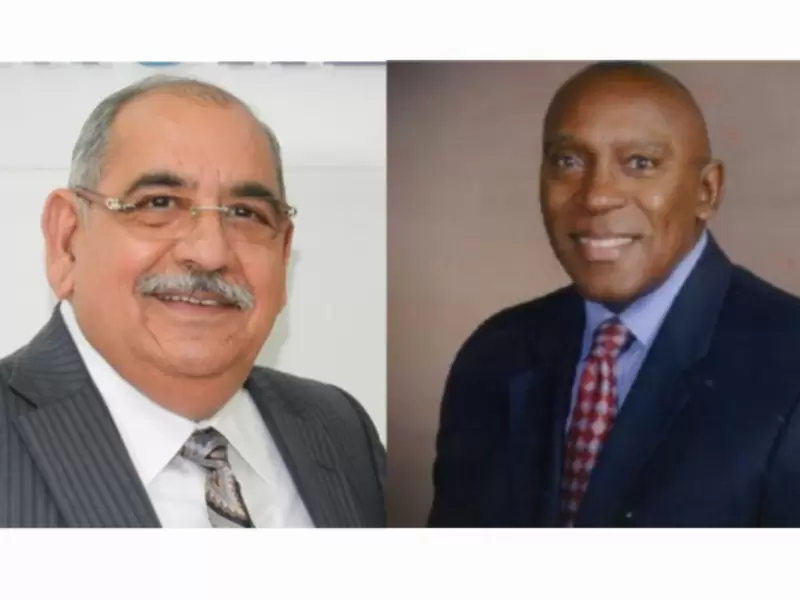
New India Abroad had reported on Aug. 21 that two officials of the USCIRF, namely, USCIRF Chair Asif Mahmood and its commissioner Gene Mills had opposed Bhagwat's visit to US.
India;s stand is in line with the previously rejected findings of the USCIRF and the country has called its portrayal of India’s religious freedom record a “deliberate agenda” and a misrepresentation of isolated incidents.
Mahmood had said that Indian Prime Minister Narendra Modi was a member of the RSS, describing the latter as an “umbrella organization whose sub-groups have perpetrated attacks on religious minorities, including Christians and Muslims and added that "now the RSS leader, Mohan Bhagwat, planned to visit the US"
USCIRF Commissioner Gene Mills had remarked that RSS leaders, even when affiliated with the Indian government, should not be honoured with high-level meetings or diplomatic courtesies and demanded that the US government should instead "focus on imposing sanctions on RSS members found responsible for FoRB (freedom of religious belief) violations."
Bhagwat is scheduled to visit the UK, Canada and the US from August 25 onwards. The USCIRF's statement comes days after the MPs from Canada's New Democratic Party, namely, Jenny Kwan and Heather McPherson, along with several organizations, had asked the Canadian government to prevent Bhagwat from entering the country.
However, the MPs' move has invited a backlash from over 100 Canadian Hindu and civil liberties organizations that have urged the Canadian government to allow Bhagwat to visit Canada, stating that any immigration or public safety decision involving him must be based on credible evidence and due process rather than political pressure.
In its annual report issued in March, the USCIRF had criticized India for alleged violations of religious freedom and had even recommended to the US government that it should impose targeted sanctions on individuals and entities, including the RSS, for responsibility for violations of religious freedom.
On its website, the USCIRF states that it is an independent, bipartisan legislative branch agency that makes policy recommendations to the President, the Secretary of State, and Congress through its Annual Report. The website adds that USCIRF "provides rigorous analysis of country issues and developing trends to inform decision makers through various activities, including convening hearings," adding that it also "tracks the implementation of policy recommendations."
Although the USCIRF and the US State Department's Office of International Religious Freedom were both established under the International Religious Freedom Act of 1998, it is different from the latter which is a part of the executive branch of the US government and uses diplomacy to empower like-minded governments, train US diplomats, engage religious actors, and implement consequences for abusers to advance religious freedom for all. The State Department also issues an annual report that documents religious freedom conditions and incidents in every country in the world.
Discover more at New India Abroad.
Leave A Comment
Related





ADVERTISEMENT

ADVERTISEMENT
E Paper
Video

Comments
Start the conversation
Become a member of New India Abroad to start commenting.
Sign Up Now
Already have an account? Login