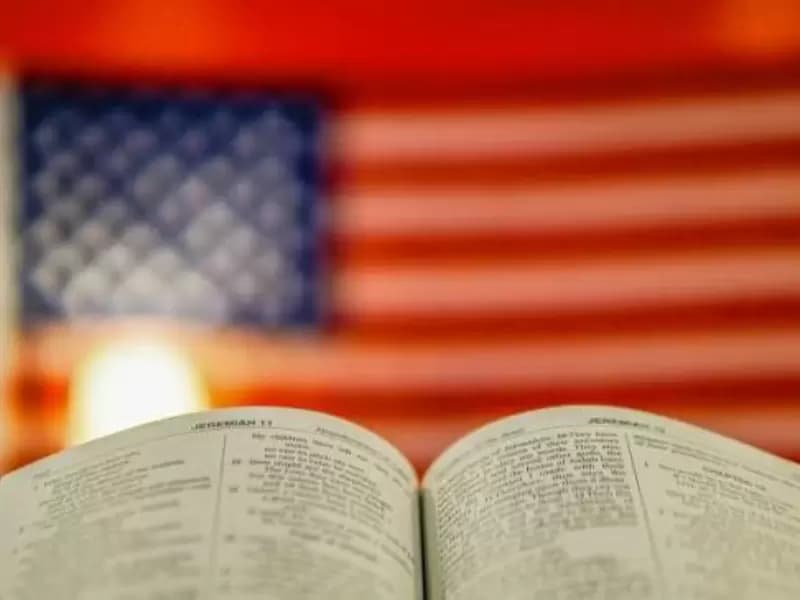
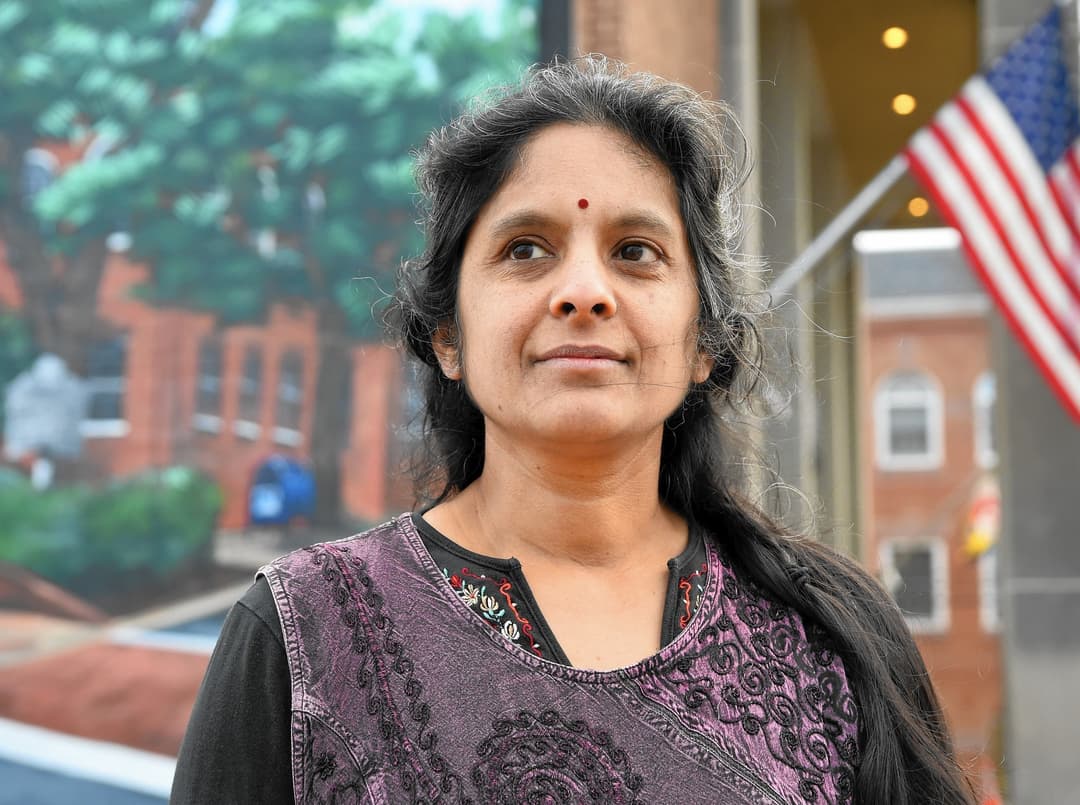
Representative image / Courtesy photo
Since I was a child, the library has been my home away from home, all the more so since we moved frequently. Changing schools was hard but in each new library I found my way in no time. As soon as I was allowed, I volunteered to sign kids up for summer reading and got even further absorbed in the long aisles of books.
Another source of continuity in my youth was Girl Scouts. To earn my civics badge, I wrote to our city council and explained why we needed a walk / don’t walk sign at the intersection that I had to cross every day to get to school. I not only earned the badge, but our intersection got the upgrade, complete with the button for pedestrians to push, a delightful novelty back then. What started as a problem raised by one middle schooler brought about a lasting solution for the community as a whole. I learned that government could actually respond when ordinary people spoke up.
As a teen, I became a library page. Sorting books in the back room, I perused the titles and also listened to conversations among the librarians whose desks lined the walls. One morning, I was shocked to see them in tears. To me who had since early childhood roamed the library as my own personal fantasy land, librarians were superheroes. This could not stand. I began talking to them and learned of mismanagement issues that went all the way to the top. Anyone who spoke up risked being transferred or demoted. I was on the bottom rung, earning $3.35 (the minimum wage) and going back to school in the fall. What did I have to lose?
I got an appointment with the county executive. Looking back now it may seem unusual for a teenager to get that meeting. At the time it was a case of “I believed I could so I did,” a lesson I learned from Marcy Lewis, Celine Morienval and others I met on the pages of library books. I spoke from my heart and shared what I had learned.
38 years later I can clearly remember his words, “We have known about this problem for years but you are the first person to walk into my office and bring it up. If 6 people came in and said this is a problem, I could say that the county is up in arms.”
How could I, as a teenager, spread the word? Would people really get “up in arms” about policies governing staff transfer and budget line items? Would they be able to connect the dots as to how this weakens library services and affects their families?
I wrote a letter to the editor of our local newspaper, a weekly that came out on Thursdays. When I went to work that day, the librarians were beaming. Now, while most of our librarians were smiley and approachable, there was one who fit the stereotype of the serious, intimidating librarian. That day she blew me kisses with both hands.
The next week, the Board of Trustees called a special meeting, open to the public, in which they fired the director. Phil Place, who succeeded him, was credited for restoring stability to an institution that a councilwoman at the time described as “anarchy.” A trustee compared him to Jimmy Carter restoring public confidence after the Watergate scandal. (Baltimore Sun, June 26 1994)
Imagine, a problem so pernicious as to draw comparison to the Watergate scandal still needed visible public support before officials could take action.
It was eye-opening to realise that I, with no status other than being a member of the community who cared, could move the powers that be to solve a problem that adults with years of experience and expertise in the library, on the Board of Trustees and in the County Administration had not.
And so it was that as a student in Maryland, I learned the power of my voice in upholding the promise of liberty and justice for all. Accountable public services are the foundation of democracy, of a free and equal society. This example of transparency in action formed a core memory and helped me persevere, even when I got involved in more difficult struggles.
Rights and freedoms have been won through sacrifices, even ultimate sacrifices of many. In India and in the United States, the struggles continue to this day, sometimes advancing, sometimes receding and needing repeating. Just as I could not be silent then when I saw the suffering of the librarians, we cannot be silent now about the erosion of civil liberties, dismantling of services, the funding of genocide abroad or of ICE terrorizing our communities.
The courage I found in my youth, to speak freely and fearlessly, is even more urgently needed today.
(The views and opinions expressed in this article are those of the author and do not necessarily reflect the official policy or position of New India Abroad.)
Discover more at New India Abroad.
ADVERTISEMENT
ADVERTISEMENT
Comments
Start the conversation
Become a member of New India Abroad to start commenting.
Sign Up Now
Already have an account? Login