ADVERTISEMENT
ADVERTISEMENT



Sanjay Krishna to oversee innovation ecosystem at Ohio State
The appointment aligns with efforts to strengthen support for faculty innovators and accelerate the translation of research into practical applications.
-
 Bhavana P
 - Thu, 18, Jun 2026
- 16:10 EDT
- 63
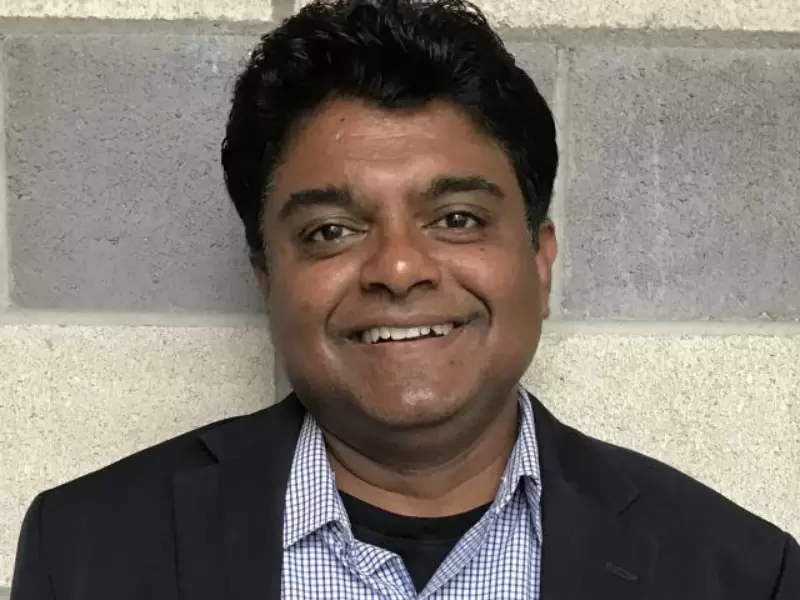 Sanjay Krishna / Ohio State University
The Ohio State University has appointed Indian-American researcher and academician Sanjay Krishna as senior associate vice president for innovation and strategic ventures.
Krishna, the George R. Smith Professor of Engineering in Ohio State’s College of Engineering, will assume the role on July 1.
Also read: UCLA professor honored for rule-breaking chemistry research
In his new position, Krishna will oversee initiatives designed to enhance the university’s innovation ecosystem and expand opportunities for researchers to bring their discoveries to market.
Widely recognized for his contributions to infrared detector technology, Krishna has helped advance academic discoveries into both defense and commercial markets. Previously, he was named Ohio State’s 2025 Innovator of the Year.
The appointment comes as Ohio State president Ravi V. Bellamkonda has identified innovation and commercialization as strategic priorities, with a focus on increasing the societal impact of university research.
“I’m deeply honored to take on this role at such an important moment for Ohio State. The university has an incredible foundation of innovation, and I’m passionate about working alongside our faculty, staff and partners to translate discoveries into real-world impact,” Krishna said in a statement.
“I’m incredibly enthusiastic about this next chapter for innovation at Ohio State. Sanjay brings a proven track record as an innovator and leader, and I’m confident that, together with our outstanding team, he will help accelerate the impact of our research and position Ohio State at the forefront of innovation,” said John M. Horack, vice president for research.
The university plans to consolidate its innovation and commercialization licensing teams currently housed in separate offices into a unified model intended to streamline communication, improve coordination and reduce duplication of services.
The reorganization will also place greater emphasis on translational research, startup formation and venture development. University leaders said the changes are designed to support faculty and researchers throughout the innovation process, from early-stage discovery to commercialization.
Discover more at New India Abroad.
Related










ADVERTISEMENT

ADVERTISEMENT
E Paper
Video

Comments
Start the conversation
Become a member of New India Abroad to start commenting.
Sign Up Now
Already have an account? Login