ADVERTISEMENT
ADVERTISEMENT



Ro Khanna proposes loan plan for California wealth tax
Khanna’s comments drew a strong reaction from entrepreneur Mark Cuban, who warned that the measure could drive startup founders out of the state.
-
1759953093.png) Staff Reporter
Staff Reporter - Mon, 17, Aug 2026
- 02:27 EDT
- 26
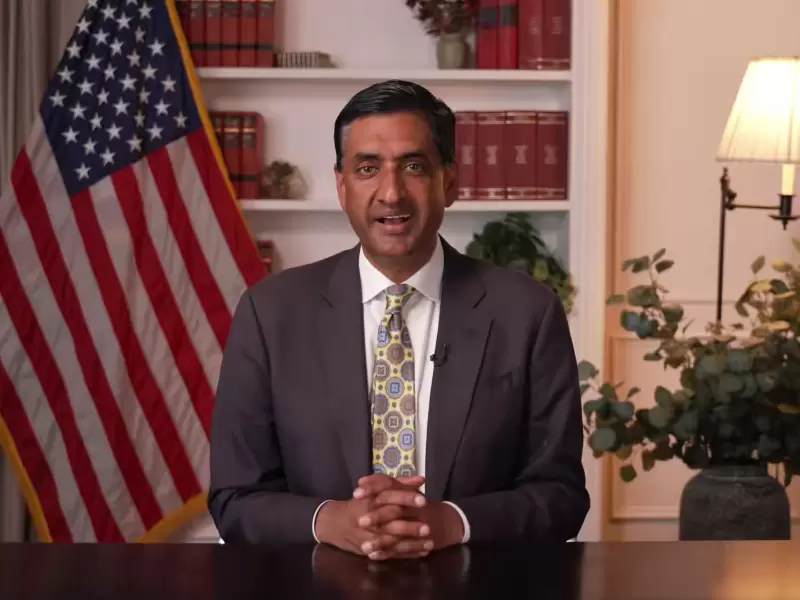
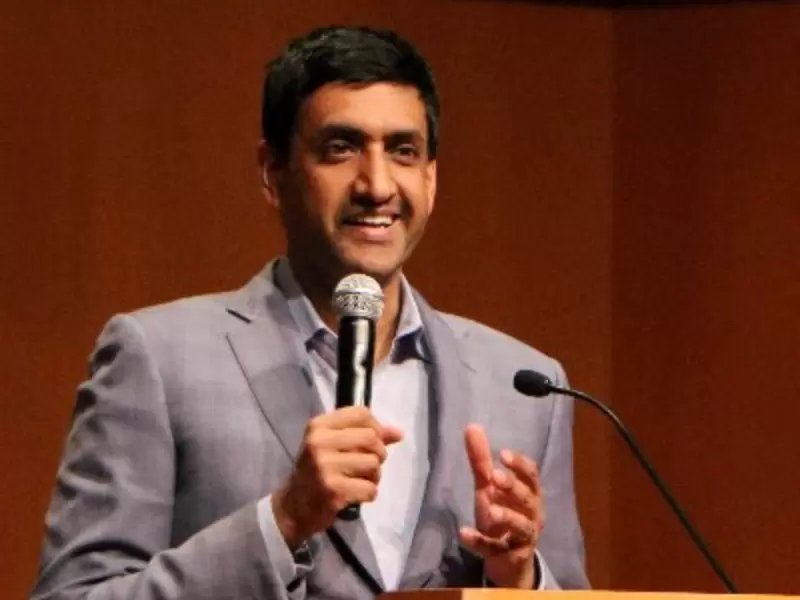 Ro Khanna / X
Congressman Ro Khanna has made the case for California’s proposed 5% billionaire wealth tax, arguing that it would help preserve health care for working-class Californians.
Khanna’s comments drew a strong reaction from Mark Cuban, an American businessman and entrepreneur, who warned that the measure could drive startup founders and investors out of the state.
ALSO READ: Ro Khanna proposes ‘ownership economy’ as US wage share drops
In a video posted on X on Aug. 15, Khanna said the California Democratic Party and the California labor movement had “just stood with Bernie Sanders and me” in supporting a 5% wealth tax on 250 California billionaires.
Senators and labor groups are campaigning for a ballot measure in California to impose a one-time 5% wealth tax on residents with a net worth of more than $1 billion.
“Passing this ballot initiative will ensure that millions of working-class and middle-class Californians don't lose their health care,” Khanna said.
He said the “Sacramento establishment” and lobbyists opposing the measure were “blatantly out of touch.”
“What this shows is that California voters want a Democratic Party that will stand up for the working class over the billionaire class,” he said.
Cuban said founders of rapidly appreciating startups can become billionaires on paper without having hundreds of millions of dollars in liquid assets available to pay the proposed tax.
“They are the definition of cash poor, stock rich,” Cuban wrote on X.
He warned that the measure could cause startup founders and investors to leave California.
“If this passes, only idiot startup founders stay in Cali,” Cuban wrote.
Cuban warned that the measure could also influence where he invests.
“I will make NOT being in California a prerequisite for an investment,” he said.
“Ideology is not a strategy Ro,” he added.
Khanna then proposed a workaround for founders whose wealth is largely tied up in private-company stock.
Ro, I like you. You know that. But you need to read the state of the state.
— Mark Cuban (@mcuban) August 15, 2026
The number of Deca Unicorns in Cali is growing by the day as investors chase amazing startups.
A unique feature of these 10b startups is that even if they raise a billion, little, if any of that… https://t.co/l1LRaiki16
“Why not a non-recourse loan for pledged stock as collateral for this situation?” Khanna wrote.
Khanna proposed addressing concerns surrounding illiquid founders by allowing them to pledge shares in their companies as collateral for a government loan that could then be used to pay the wealth tax.
The loan could remain outstanding for roughly 10 years, after which the founder would either repay the government in cash or the government would take possession of the pledged shares. Because the loan would be nonrecourse, the founder would not be personally liable if the company failed.
Cuban criticized the proposal.
“Ro, that's insane,” he wrote.
Cuban said California would effectively lend founders money that would immediately be returned to the state as payment of the tax, meaning the arrangement would initially generate no additional cash revenue from those taxpayers.
Cuban also argued that California could eventually wind up owning shares in private companies if founders were unable to repay the loans.
Khanna dismissed Cuban’s criticism, arguing that the government would still collect the tax from billionaires with liquid assets.
“The government would still collect from the vast majority of billionaires who are not illiquid,” Khanna wrote.
Khanna claimed that 72% of billionaire wealth is held in public stock and said the proposed financing mechanism would be aimed at true “paper billionaires” whose fortunes are tied to illiquid assets. He argued that if a private company succeeds, California would ultimately collect on the loan, while founders would not be personally liable if the company failed.
He told Cuban that ordinary Americans support higher taxes on billionaires.
“Mark, come on a road trip with me around California, Pennsylvania and the country and ask ordinary Americans how they feel about a billionaire tax,” Khanna wrote. “Most say, I promise you, why only 5 percent?”
Cuban said that even a successful founder could spend 10 years growing a company, create thousands of jobs and pay hundreds of millions of dollars in federal and state taxes without ever having $250 million in liquid assets available to repay the proposed state loan.
Khanna said that most of the roughly 250 California billionaires who could be affected by the tax do not face the liquidity problem Cuban described.
Cuban said that forcing startup founders to sell shares to satisfy the tax would punish entrepreneurs who reinvest their wealth into growing their companies, creating jobs and paying employees rather than taking cash out for themselves.
Discover more at New India Abroad.
Leave A Comment
Related







ADVERTISEMENT

ADVERTISEMENT
E Paper
Video

Comments
Start the conversation
Become a member of New India Abroad to start commenting.
Sign Up Now
Already have an account? Login