ADVERTISEMENT
ADVERTISEMENT


Record Char Dham rush tests Uttarakhand's capacity, sparks debate on scientific crowd management
Uttarakhand is home to the four sacred shrines of Kedarnath, Badrinath, Gangotri and Yamunotri.
-
 S. Raju
 - Mon, 01, Jun 2026
- 12:09 EDT
- 228
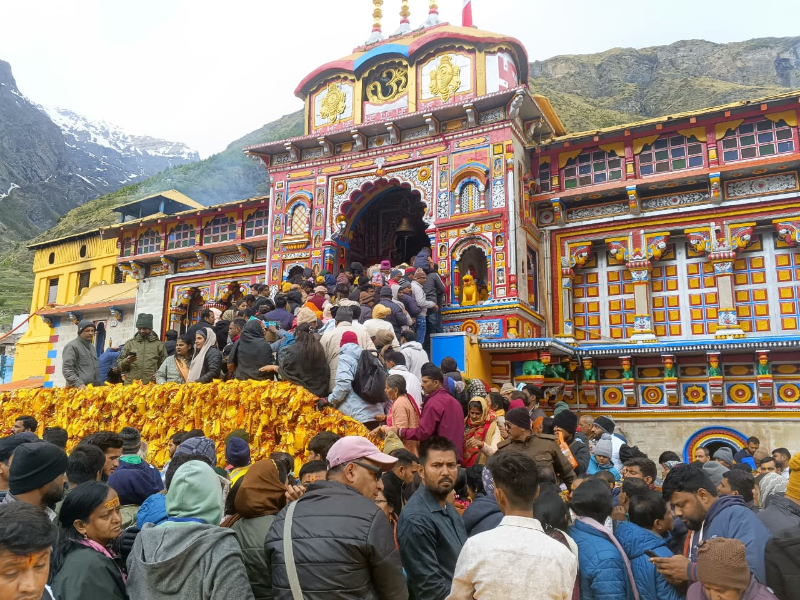 Crowd of devotees entering Badrinath temple / Special Arrangement
The unprecedented influx of devotees to Uttarakhand's Char Dham Yatra this year has brought both economic prosperity and formidable logistical challenges, prompting calls for scientific crowd management and greater use of technology to ensure the smooth conduct of one of India's most significant religious pilgrimages.
Known as Devbhoomi (Land of the Gods), Uttarakhand is home to the four sacred shrines of Kedarnath, Badrinath, Gangotri and Yamunotri. Every year, lakhs of pilgrims from across India and abroad undertake the Char Dham Yatra, which begins in late April and continues until October-November. This year, however, the pilgrimage has witnessed a record-breaking turnout, stretching infrastructure and public services to their limits.
According to Amit Lohani, Deputy Director of the Tourism Department and Nodal Officer for the Char Dham Yatra for the Tourism Department, more than 4,400,000 registrations have been recorded so far, while over 23 lakh devotees have already completed darshan at the four shrines. More than 10 lakh pilgrims have visited Kedarnath, over 800,000 have paid obeisance at Badrinath, while Gangotri and Yamunotri have each attracted more than 450,000 devotees.
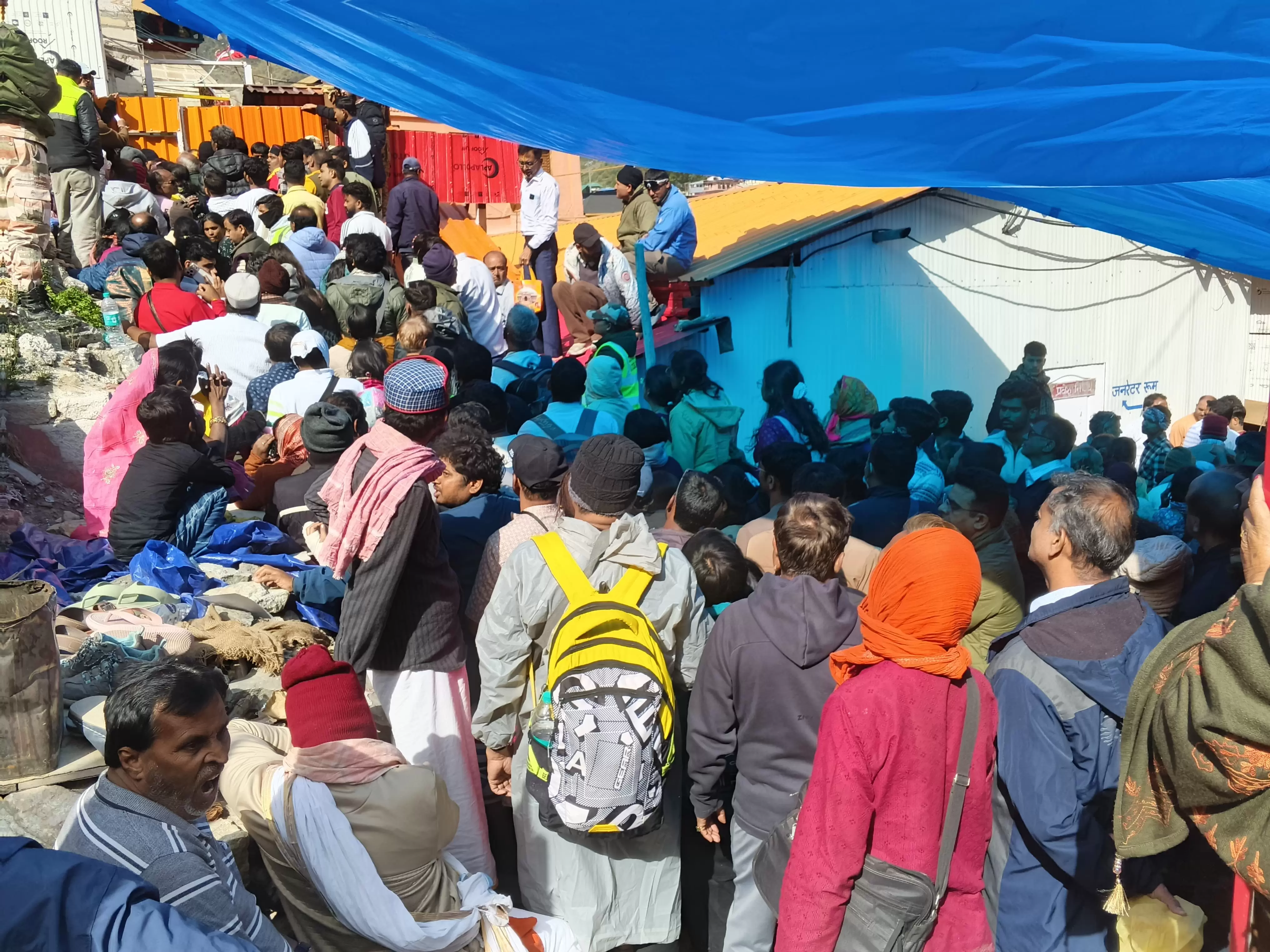
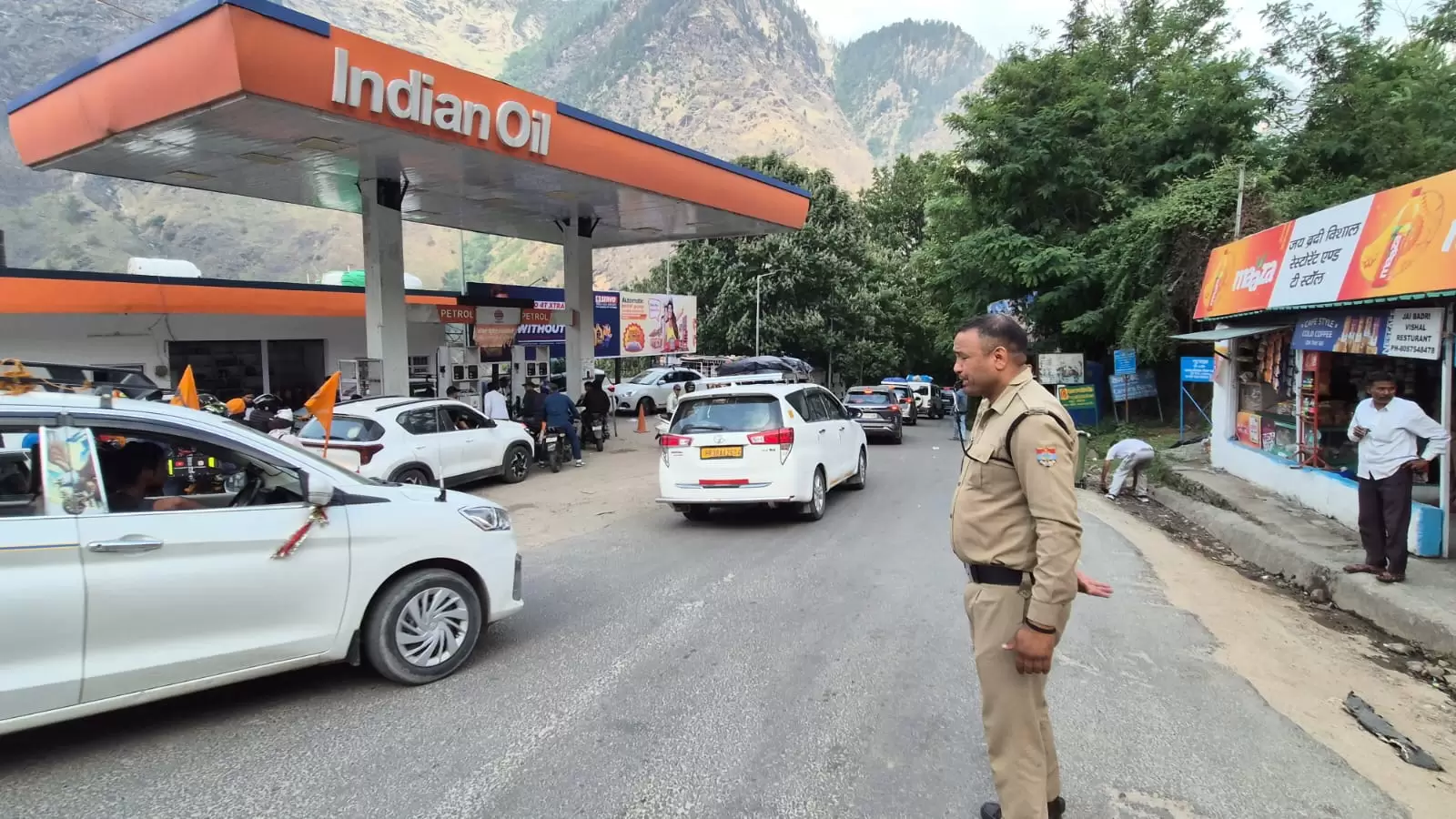

The massive influx has not only resulted in long traffic snarls and extended waiting times for darshan but has also posed significant health and safety challenges. Officials confirmed that more than 100 pilgrims have died during the yatra so far, with most fatalities attributed to low oxygen levels, extreme weather conditions and health complications among elderly pilgrims and those unaccustomed to high-altitude conditions.
"The influx of devotees has reached a record level this year," Lohani said. "All departments of the state government are working in coordination to streamline the yatra and provide every possible facility to devotees."
Lohani said many pilgrims arriving from the plains underestimate the physical demands of the Himalayan pilgrimage and often fail to acclimatize adequately before proceeding to higher altitudes. "We repeatedly advise devotees, especially senior citizens, to acclimatize before undertaking the journey, but many ignore the advisory and face health complications," he added.
The record turnout follows demands from local traders, hoteliers and business groups who had urged the state government not to impose restrictions on the arrival of devotees. They argued that the pilgrimage is crucial to the state's economy and sustains the livelihoods of thousands of local residents.
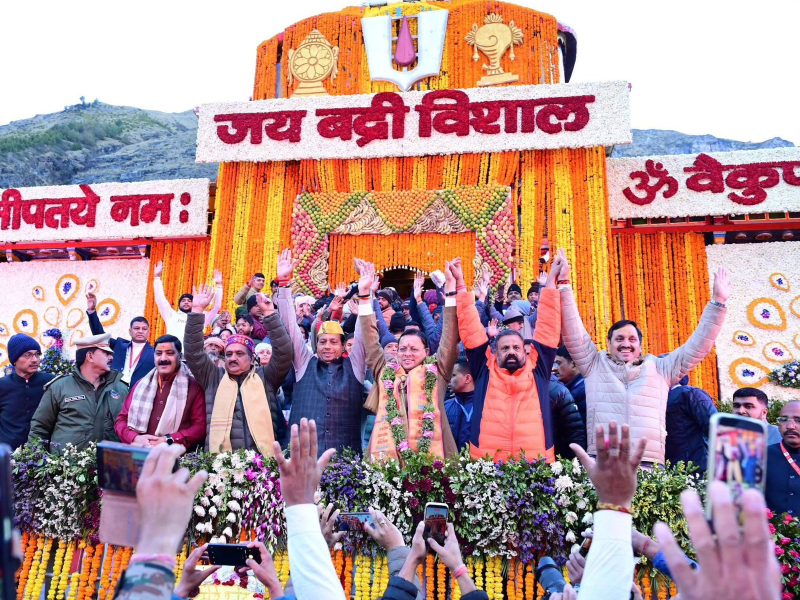 Chief Minister Pushkar Singh Dhami and others during inuguration of Yatra / Special Arrangement
Rajesh Mehta, president of the Char Dham Hotels Association, described the yatra as the "lifeline" of Uttarakhand. According to him, the pilgrimage contributes substantially to the state's economy and supports thousands of shopkeepers, transport operators, hotel owners and small businesses. He said a major portion of their annual earnings comes during the initial months of the pilgrimage season.
However, the economic benefits have been accompanied by growing management challenges. Pilgrims have frequently found themselves stranded in traffic for six to seven hours on key routes, while long queues at Kedarnath and Badrinath have led to delays of several hours in darshan.
Hemant Dwivedi, chairman of the Badrinath-Kedarnath Temple Committee (BKTC), acknowledged that the scale of the influx was beyond expectations.
"It was an unexpected rush of devotees," he said. "The heavy crowd created challenges in traffic regulation, darshan management and healthcare services."
To facilitate smoother movement of pilgrims, temple authorities have altered traditional schedules. Several daytime pujas have been curtailed and shifted to night hours to maximize the time available for darshan. Dwivedi said a 50-bed hospital has been made operational in the Kedarnath region, while additional healthcare facilities have been established at various points along the pilgrimage route.
The experience of this year's yatra has reignited discussions on the need for structural reforms in pilgrimage management. Ajay Ajendra, former president of BKTC, believes the time has come to consider regulating pilgrim numbers and adopting professional crowd-management systems.
"The challenges witnessed this year indicate that a more professional approach to crowd and queue management is required," he said. "Specialized agencies with expertise in handling large gatherings should be engaged to ensure smoother movement and greater safety for pilgrims."
Ajendra also pointed to the increasing presence of vloggers, bloggers and social media influencers on the pilgrimage routes. While acknowledging their contribution in promoting the yatra, he said better regulation may be required to ensure compliance with safety protocols and crowd-management guidelines.
Rajesh Mehta echoed the demand for professional crowd-management services, saying the experiences of this year underline the need for better planning and modern management practices. Dwivedi too believes that the lessons learned this season should help authorities prepare more effectively for future pilgrimages.
Lohani, meanwhile, advocated greater use of advanced technology in pilgrimage management and invited members of the Indian diaspora to contribute innovative ideas and global best practices that could help improve the conduct of the yatra.
The record turnout this year has once again demonstrated the enduring spiritual appeal of the Char Dham Yatra and its immense economic importance for Uttarakhand. At the same time, it has highlighted the urgent need for stronger infrastructure, technology-driven monitoring systems, improved healthcare preparedness and professional crowd management to ensure that the pilgrimage remains safe, efficient and sustainable as the number of devotees continues to grow year after year.
Discover more at New India Abroad
Leave A Comment
Related










ADVERTISEMENT

ADVERTISEMENT
E Paper
Video

Comments
Start the conversation
Become a member of New India Abroad to start commenting.
Sign Up Now
Already have an account? Login