ADVERTISEMENT
ADVERTISEMENT



The immigrant story at the heart of India-U.S. ties
India and the United States share a long friendship and a storied history, and most importantly, a deep connection through immigration and cultural exchange.
-
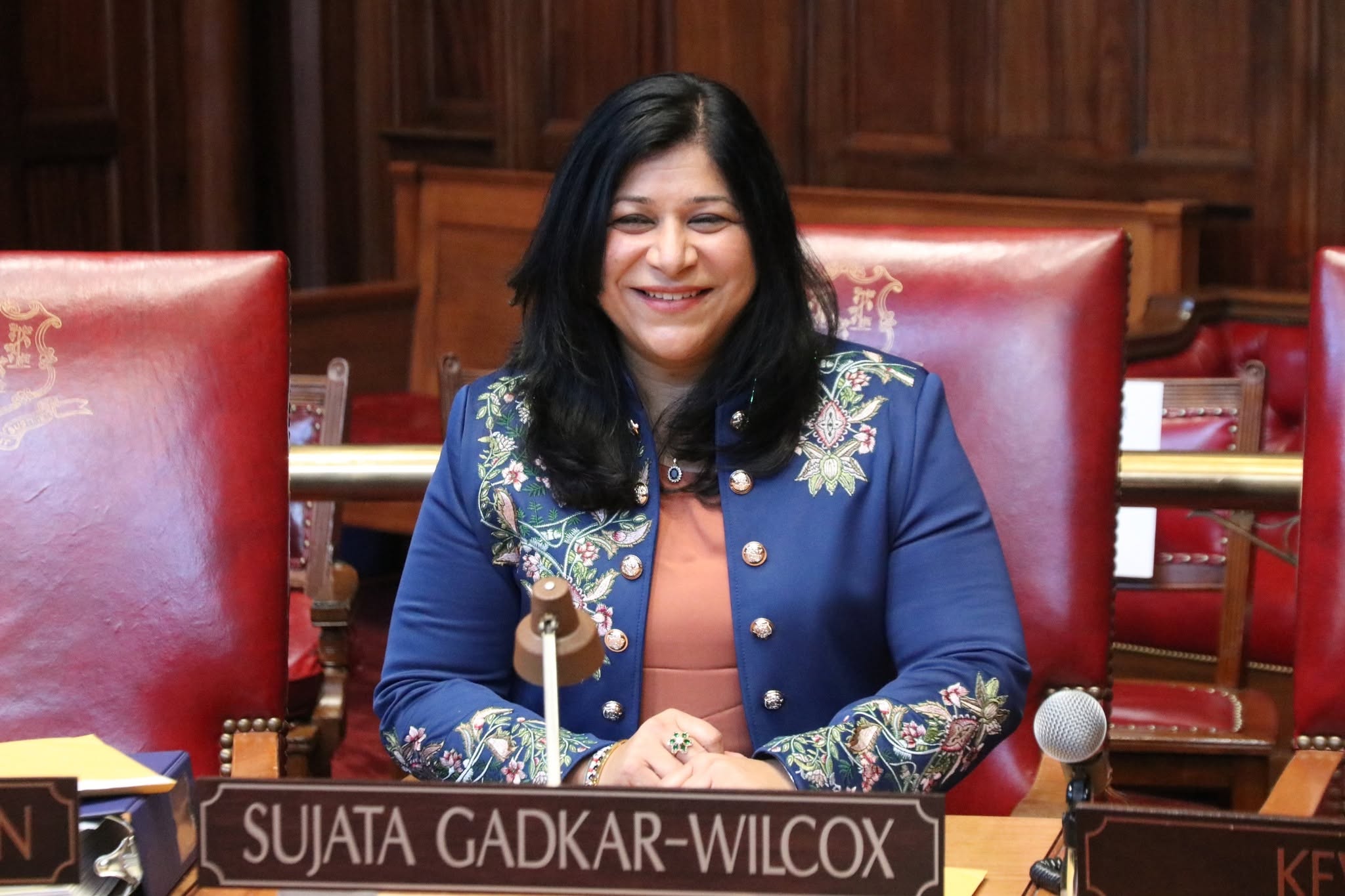 Sujata Gadkar-Wilcox
 - Sat, 15, Aug 2026
- 02:00 EDT
- 27
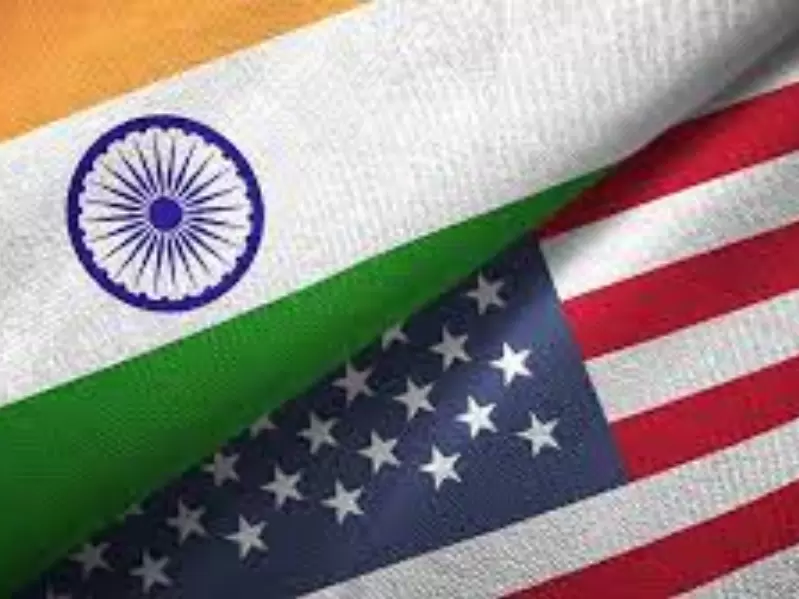
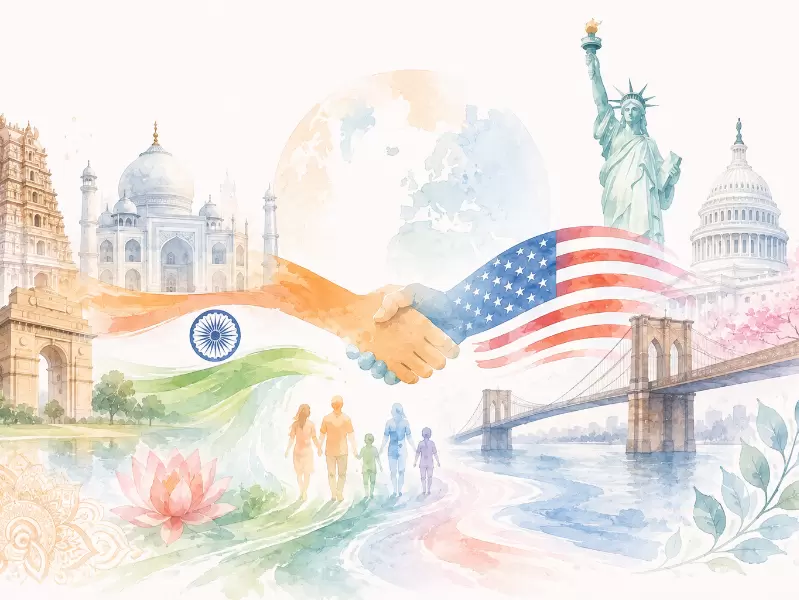 Representative Image / Generated using AI
As the child of Indian immigrants, born on the Fourth of July in New York City, I see my immigrant story as the quintessential American story. And serving as Connecticut’s first Indian Senator allows me to bring visibility to the contributions of the South Asian community and to advocate for further opportunities for collaboration between the United States and India with initiatives like the Connecticut-India Trade Commission, recently signed into law by Governor Ned Lamont.
The political ties between the United States and India are not new. In fact, many of the democratic principles in the Indian Constitution were informed by the United States Constitution. Even before Indian independence in 1947, key advisors and drafters of the Indian Constitution were communicating with judges in the United States to discuss fundamental constitutional principles.
Also Read: Connecticut signs India trade commission into law
India and the United States share a history of fighting against oppressive British colonial rule. And in both cases, constitutions were crafted to secure liberty, promote the general welfare, and eliminate the injustices that came from governmental overreach.
India and the United States share a long friendship and a storied history, and most importantly, a deep connection through immigration and cultural exchange.
One year before Indian independence, President Harry Truman signed the Fulbright Act, which enabled the exchange of students, faculty members, teachers, and researchers—building collaborative partnerships that paid off for years to come. I received a Fulbright Award to study the drafting of the Indian Constitution in a comparative context.
This came after the United States and India became full partners in global academic exchange under the Obama administration through the establishment of the Fulbright-Nehru Award—named for India’s first prime minister, Jawaharlal Nehru, and Senator J. William Fulbright, who introduced the historic legislation. This legislation has enabled decades of robust cultural dialogue and mutual understanding between nations.
My own story is a testament to the American Dream. My father grew up in a small village in rural India. He arrived in the United States in 1969 with seven dollars in his pocket. He worked his way up to a career in engineering that had him designing parts on the Space Shuttle. My parents came to the United States in search of opportunity and with hope for a bright future for their family.
And that immigrant journey and immersion into a new culture weave together my upbringing in the United States with the Indian cultural norms and social practices I learned from my family. It helps me see social and political problems from multiple dimensions, which is why, as a scholar, I am drawn to both the U.S. and Indian constitutions and an admirer of both the American pragmatism of John Dewey and the transformative Indian constitutionalism of Dr. B.R. Ambedkar.
My children have an even richer and more diverse experience because their family members come from different cultural backgrounds. On the one hand, their great-grandfather (my grandfather, Sharad Narvekar) attended Mahatma Gandhi’s Quit India Speech, with other relatives there through Indian independence.
On the other hand, my husband’s family, originally of English origin, was a part of Connecticut long before my parents arrived in the United States. In fact, there were members of the Wilcox and Starkweather families in the Connecticut legislature too. And that story now becomes a part of our daughters’ history.
For many children of immigrants, the appreciation of the opportunities afforded to our parents, like access to education, which enabled them to come to the United States, comes along with a sense of responsibility to give back to our community and to help others attain such opportunities.
Immigrants and their families become part of the history and rich tapestry of the United States. That is the story of the United States. And that is what makes this country great.
And these values are what make India great as well.
As we celebrate both 250 years of United States independence and 79 years of Indian independence, we could do no better than to remember that India and the United States share a common cultural and political heritage of protecting democracy. Both nations share an appreciation for pluralism and differences, woven from a tapestry of distinct languages, cultures, and religions. Together, they hold an enduring constitutional history of preserving individual rights and the public good—a legacy of which we can all be proud.
(The views and opinions expressed in this article are those of the author and do not necessarily reflect the official policy or position of New India Abroad.)
Discover more at New India Abroad.
Leave A Comment
Related

ADVERTISEMENT

ADVERTISEMENT
E Paper
Video

Comments
Start the conversation
Become a member of New India Abroad to start commenting.
Sign Up Now
Already have an account? Login