ADVERTISEMENT
ADVERTISEMENT



Trump admin proposes higher fees for U.S. citizenship applications
DHS plan would raise naturalization costs and eliminate most fee waivers for low-income applicants.
-
 Ankita Baidya
 - Tue, 23, Jun 2026
- 05:14 EDT
- 2071
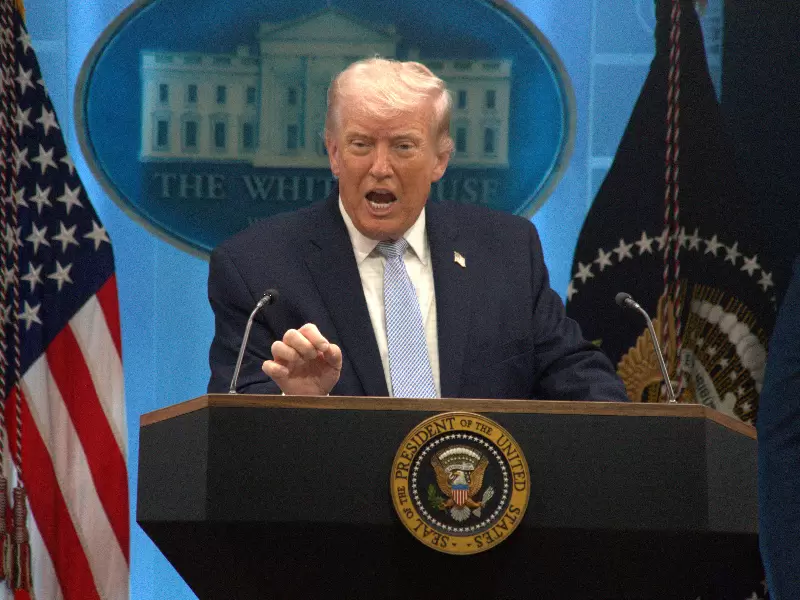 The Trump administration has proposed increasing fees for US citizenship applications and eliminating most fee waivers for low-income immigrants. / Xinhua via IANS
The Trump administration has proposed raising fees for immigrants applying for US citizenship and eliminating most fee waivers, a move that would make naturalization more expensive for lawful permanent residents seeking to become American citizens.
Under a proposed rule published by the Department of Homeland Security (DHS) on June 22, the filing fee for Form N-400, the application used to apply for US citizenship, would increase from US$760 to US$1,330 for paper applications. The fee for online applications would rise from US$710 to US$1,280.
Also Read: California primaries mark Indian Americans' political evolution
The proposal would also increase the cost of appealing a citizenship denial from US$830 to US$1,475.
The rule has not yet taken effect. DHS has opened a 60-day public comment period, after which the agency will review feedback before deciding whether to finalize the changes.
NEW: @USCIS is proposing to increase the cost to green card holders of becoming a U.S. citizen by $570, and wants to eliminate existing fee waivers for certain low-income immigrants.
— Aaron Reichlin-Melnick (@ReichlinMelnick) June 22, 2026
The Trump admin says it no longer believes in encouraging naturalization with low-cost options. pic.twitter.com/e72C1DFGJm
In the proposed rule, DHS said previous administrations kept naturalization fees below the full cost of processing applications in order to encourage citizenship and immigrant integration. The department said it no longer believes citizenship applications should receive lower fees at the expense of other immigration benefits.
The proposal would eliminate fee waivers and reduced-fee options currently available to many low-income applicants. At present, some immigrants can qualify for full fee waivers based on income, financial hardship, or receipt of public benefits. Others can apply for a reduced filing fee if their household income falls within specified federal guidelines.
If adopted, those provisions would largely disappear. The proposed rule would retain an exemption only for current and former members of the US armed forces.
Immigration advocates have criticized the proposal, arguing that higher fees could discourage eligible permanent residents from pursuing citizenship.
Aaron Reichlin-Melnick, a senior fellow at the American Immigration Council, said the change would mark a departure from a longstanding policy of encouraging naturalization through lower application costs.
Former US Citizenship and Immigration Services official Doug Rand also criticized the proposal, arguing that higher fees could create additional barriers for legal immigrants seeking citizenship.
The proposal could affect immigrants from a wide range of countries, including India. Indian nationals are among the largest groups obtaining US citizenship each year after first securing permanent residency through employment, family-based, or other immigration pathways.
The public comment period will remain open for 60 days before DHS decides whether to move forward with the proposed changes.
Discover more at New India Abroad.
Leave A Comment
Related











ADVERTISEMENT

ADVERTISEMENT
E Paper
Video

Comments
Start the conversation
Become a member of New India Abroad to start commenting.
Sign Up Now
Already have an account? Login