ADVERTISEMENT
ADVERTISEMENT



Rep. Bera opposes ending Hepatitis B birth dose
ACIP’s vote earlier this week marks the first major shift in U.S. hepatitis B immunization policy since universal newborn vaccination was introduced in 1991.
-
 Malvika Choudhary
 - Sat, 06, Dec 2025
- 13:11 EST
- 82
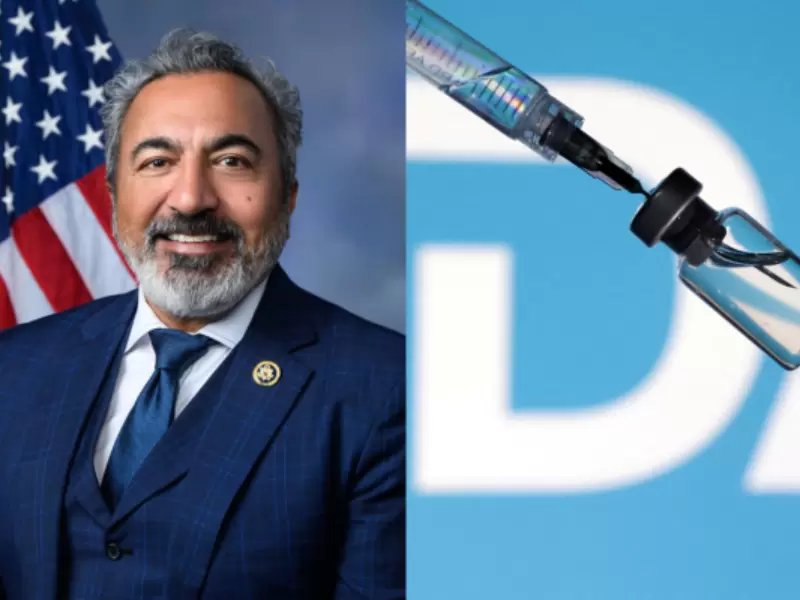 Ami Bera/ A U.S. Food and Drug Administration (FDA) logo, a syringe and a vial are seen in this illustration taken May 13, 2025. / File Photo/ REUTERS/Dado Ruvic/Illustration
Indian American Congressman Ami Bera (CA-06) on Dec. 5 criticized a federal advisory panel’s decision to end the routine recommendation that newborns receive the Hepatitis B vaccine at birth.
In a statement issued through the Democratic Doctors Caucus, Bera and other physician-lawmakers said the Advisory Committee on Immunization Practices (ACIP) had reversed a decades-old practice regarded as a critical public-health safeguard.
Also Read: Kennedy's advisers scrap hepatitis B vaccine guidance for most children
“The Democratic Doctors Caucus unequivocally condemns the decision to end the decades-long standard practice of vaccinating every newborn against hepatitis B,” the caucus said, warning that the change “will lead to more disease, more cancer, more preventable deaths, and will further increase the cost of health care in our nation.”
The members urged Centers for Disease Control and Prevention (CDC) Acting Director Jim O’Neill to reject the recommendation and said they would continue working to protect public-health standards.
ACIP’s vote earlier this week marks the first major shift in U.S. hepatitis B immunization policy since universal newborn vaccination was introduced in 1991.
The panel recommended reserving the immediate post-birth dose for infants whose mothers test positive for hepatitis B or whose status is unknown, while moving all other newborns to “individual-based decision making” and allowing vaccination to be delayed until two months of age.
The recommendation now awaits review by the CDC’s acting director.
Public-health experts have warned that eliminating the universal birth dose could weaken protection against perinatal transmission, particularly when maternal screening is incomplete or infections are acquired late in pregnancy.
Infants who contract hepatitis B at birth have about a 90 percent likelihood of developing chronic infection, which can lead to cirrhosis, liver failure, and liver cancer. Universal birth-dose vaccination has contributed to a roughly 99 percent decline in hepatitis B cases among U.S. children over more than three decades.
Medical associations and pediatric specialists have also criticized the ACIP decision, noting that existing research shows no increased risk from administering the vaccine at birth.
They argue that delaying the dose may leave infants unprotected during their most vulnerable period and could reduce adherence to the broader childhood immunization schedule.
Leave A Comment
Related










ADVERTISEMENT

ADVERTISEMENT
E Paper
Video

Comments
Start the conversation
Become a member of New India Abroad to start commenting.
Sign Up Now
Already have an account? Login