ADVERTISEMENT
ADVERTISEMENT



The midnight Maggi ritual: How the diaspora is reclaiming “hostel chic” for New Year’s Eve
Move over late-night pizza, the ultimate end-of-night tradition for young Indian Americans involves “Maggi stations” and spicy chai at 3:00 a.m. This culinary trend highlights how second-generation youth are reclaiming Indian comfort foods as a core part of their festive identity.
-
 Pallavi Mehra
 - Wed, 31, Dec 2025
- 00:00 EST
- 169
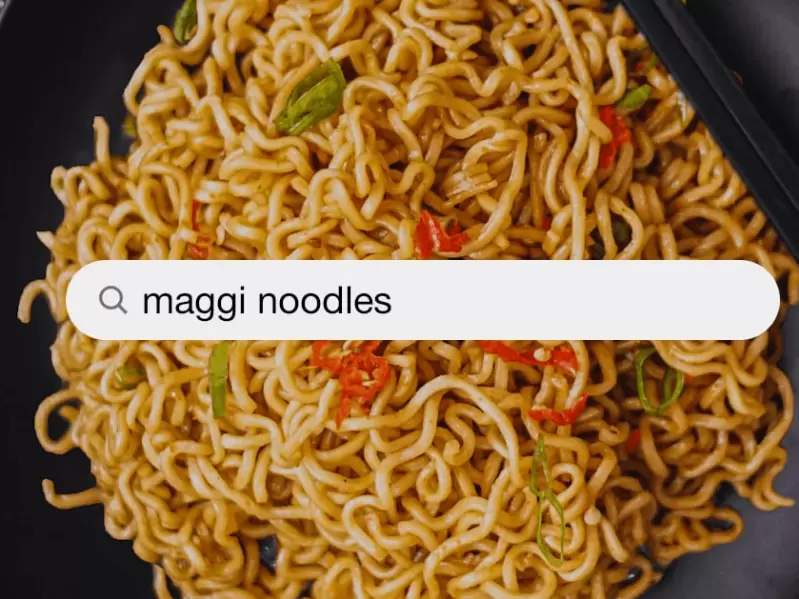 Representative image / Unsplash
As the final New Year’s Eve countdown echoes through the glass towers of Manhattan and the sprawling house parties of the Los Angeles suburbs, the champagne is invariably flowing. But for a growing segment of the South Asian diaspora, the true herald of the New Year isn’t the pop of a cork; it’s the sharp, savory whistle of an electric kettle at 3:00 a.m.
The “Midnight Maggi Ritual” has moved from a quiet kitchen secret to a full-blown cultural phenomenon. For second-generation Indian Americans, the transition from the glitz of a New Year’s gala to the steam of a masala-scented kitchen has become the ultimate “vibe shift,” marking a deliberate reclamation of “hostel-style” comfort as a core part of their festive identity.
The contrast of the “Midnight Maggi Ritual” aesthetic
“There’s this weird, beautiful dissonance to it,” says Neil M., 30, a product manager in New York City who is planning to host a 30-person “after-after-party” this year. “You spend the whole night in this high-energy, high-glamour environment. But by 2:30 a.m., the shoes are off, the ties are loosened, and everyone is suddenly huddled around a stove in a high-rise kitchen. It’s the most grounding moment of the year. You go from being ‘the person at the party’ to just being yourself, slurping noodles with the people who actually know you.”
For Neil, the ritual is as much about the conversation as the carbs. “The Maggi is the catalyst for the ‘debrief.’ We’re all sitting on the floor or leaning against counters, dissecting every drama of the night. You can’t do that at a loud club with a $20 cocktail.”
Inherited nostalgia and the “hostel” mythos
For many in the diaspora, Maggi represents a “hostel-style” nostalgia, one they didn’t necessarily experience firsthand but inherited through the vivid stories of their parents’ college days in India.
“My dad’s stories of New Year’s in his Mumbai hostel always ended with eight guys sharing one pot of Maggi because they were too broke for anything else,” says Zorawar, a resident of Los Angeles. “We aren’t broke, and we aren’t in hostels, but when we make it at 3:00 a.m., we’re tapping into that same spirit of camaraderie. It feels like we’re honoring their hustle while creating our own version of it in America. It’s a bridge between his ‘then’ and my ‘now.’”
The anatomy of the “pro-level” Maggi station
While the original hostel version was a matter of survival, the 2026 diaspora version is a curated culinary event. The “Maggi station” has become a staple of New Year’s Eve celebrations, featuring a level of customization that would baffle a 1980s university student.
“In my house, we call it the ‘Maggi Assembly Line,’” says Prathana, a California-based lawyer. “One person is on kettle duty, one is the ‘Masala Master’ who adds the extra spices, and someone else is designated as the ‘Grater’ because the Amul cheese is non-negotiable. We don’t just throw the sachet in; we’re adding sautéed bird’s-eye chilies, frozen peas and a hint of butter to get that perfect silky texture. It has to be spicy enough to cut through the champagne fog and wake everyone up for the drive home.”
Prathana emphasizes that the ritual is a rebellion against the “generic” American experience. “For years, we ended the night at a 24-hour diner or a pizza place. But that never felt like our tradition. Maggi is ours. It’s the only time during the whole holiday season when we aren’t performing for social media or trying to fit into a Western box. It’s just pure, spicy comfort.”
The industry response: ‘Hostel chic’
The trend is so pervasive that event planners are now formalizing “Midnight Maggi” for high-end hotel events. Rohan K., a luxury event designer in New York, says his clients are increasingly replacing traditional “late-night bites” like sliders or grilled cheese with sophisticated noodle bars.
“It’s about ‘hostel chic,’” Rohan explains. “I have clients who spend a lot on their New Year’s Eve gala, but their one non-negotiable request is a Maggi and cutting chai station at the end. They want it served in those little glass cups and paper bowls. It’s a status symbol now; it says, ‘We’re successful enough to be here, but we’re still Indian enough to want this.’ If I tried to serve gourmet artisan noodles, they’d be disappointed. It has to be the yellow packet. It has to be authentic.”
As 2026 begins, the message from the diaspora is clear: The ball may drop at midnight, but the party doesn’t truly reach its peak until the first pot of Maggi hits the stove.
Leave A Comment
Related









ADVERTISEMENT

ADVERTISEMENT
E Paper
Video

Comments
Start the conversation
Become a member of New India Abroad to start commenting.
Sign Up Now
Already have an account? Login