ADVERTISEMENT
ADVERTISEMENT


U.S. researchers develop Hindi tool to detect prolonged grief
The study to develop the tool surveyed 527 Hindi-speaking adults living in the United States.
-
1759163132.png) Anushka Pathak
Anushka Pathak - Tue, 03, Feb 2026
- 16:44 EST
- 203
 L-R: Apeksha Mewani, Vincent Jones II, Kim Glickman, Sungwoo (Justin) Kim, Holly Prigerson / Courtesy: City University of New York (CUNY)
A new Hindi-language tool has been developed to help clinicians identify Prolonged Grief Disorder among Hindi-speaking adults in the United States.
Developed and validated by the researchers from the City University of New York (CUNY) and Weill Cornell Medicine, the ‘Prolonged Grief Disorder Scale – Hindi Version (PG-13-R-H)’ marks the first evidence-based grief assessment available for Hindi-speaking adults.
ALSO READ: AI-enabled stethoscopes may boost diagnosis of heart diseases: Study
The breakthrough was led by Apeksha Mewani, Vincent Jones II, Sungwoo (Justin) Kim, Kim Glickman, and scale originator Holly G. Prigerson.
Prolonged Grief Disorder is a recognized mental health condition marked by persistent yearning and emotional pain that disrupt daily functioning long after bereavement. It is included in both the DSM-5-TR and ICD-11 diagnostic frameworks.
Despite Hindi being one of the most widely spoken languages globally, no validated clinical tool previously existed to assess prolonged grief in Hindi-speaking populations. The original PG-13 scale and its revised version were developed by Prigerson at Weill Cornell Medicine to provide clinical recognition to grief that becomes chronic and disabling.
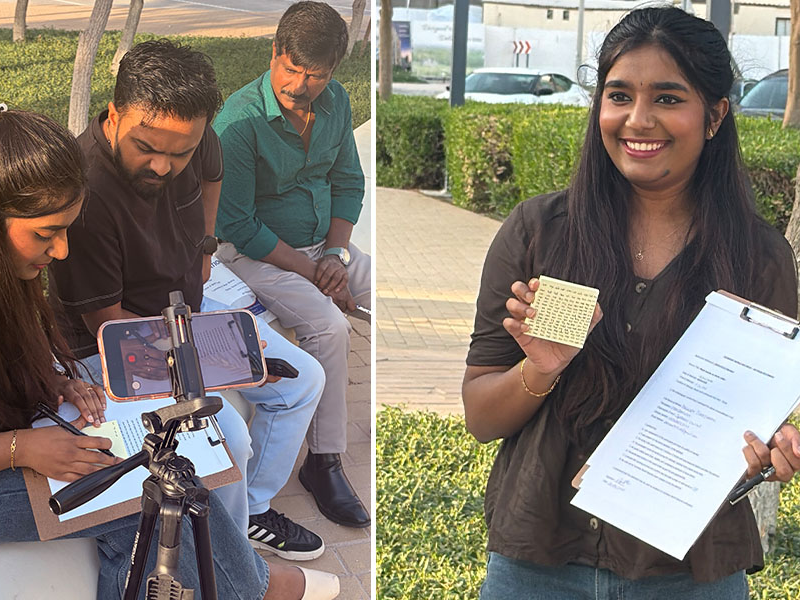
The study surveyed 527 Hindi-speaking adults living in the United States, recruited online and through community outreach in Queens, New York. The Hindi version of the scale showed strong reliability and validity, with a Cronbach’s alpha of 0.75.
About 15.6 percent of participants met diagnostic thresholds for prolonged grief disorder. Among them, 41.7 percent reported a COVID-19–related death and 88.6 percent an unexpected loss.
“I want the people of my country to have access to this grief scale so this mental illness can be clinically diagnosed and those in need receive mental health support,” said Mewani, an assistant professor in the department of health equity, administration, and technology at Lehman College.
Jones, assistant professor of community health and director of the Health Promotion Center at York College, said, “Language should never be a barrier to healing. By translating and validating this scale, we make space for understanding loss in ways that are culturally grounded and emotionally attuned.”
Prigerson said, “When we first developed the PG-13, our goal was to help those who are mourning, who never found a name. Seeing it now available in Hindi extends that mission globally.”
Researchers said the PG-13-R-H addresses long-standing linguistic and cultural barriers to mental health care by enabling clinicians, counselors, and community health workers to identify prolonged grief and guide individuals toward appropriate support.
The study, titled 'Psychometric Properties, Stability, and Predictive Validity of the Hindi Version of the Prolonged Grief Disorder Scale (PG-13-R-H) Among Hindi-speaking Adults in the United States,' was published in the Indian Journal of Psychological Medicine.
Discover more at New India Abroad.
Leave A Comment
Related











ADVERTISEMENT

ADVERTISEMENT
E Paper
Video

Comments
Start the conversation
Become a member of New India Abroad to start commenting.
Sign Up Now
Already have an account? Login