ADVERTISEMENT
ADVERTISEMENT



US weighs ending 60-day grace period for H-1B workers
The elimination of the grace period could leave affected foreign workers with significantly less time to respond after losing employment.
-
1759953093.png) Staff Reporter
Staff Reporter - Sat, 08, Aug 2026
- 04:01 EDT
- 192
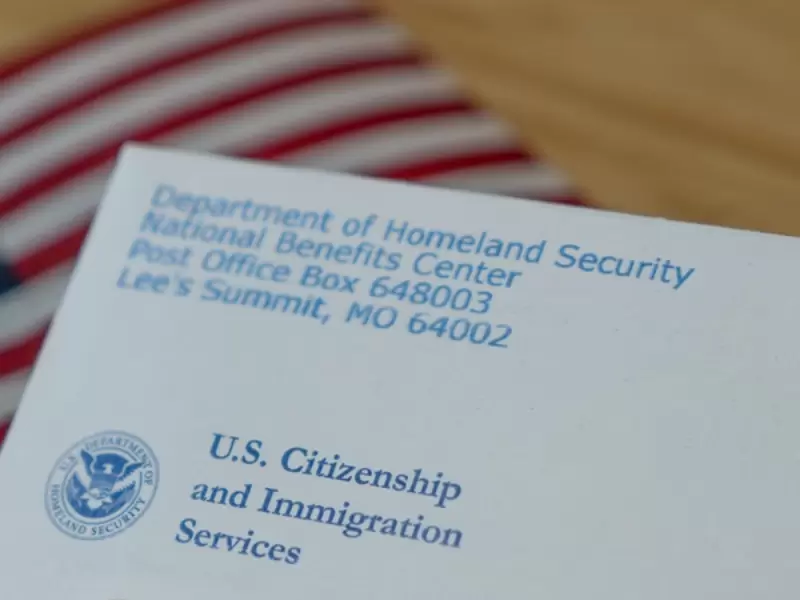 USCIS / AMERICAN IMMIGRATION COUNCIL
The U.S. Department of Homeland Security has moved forward with a proposal that could eliminate the 60-day grace period accorded to certain nonimmigrants, including H-1B visa holders, after their employment ends.
A proposed rule to eliminate that grace period went to the White House Office of Information and Regulatory Affairs, a federal office within the United States Office of Management and Budget, for review on Aug. 6.
ALSO READ: USCIS backlog surges to 11.3 million pending cases
It remains at the proposed-rule stage, and its details have not yet been made public.
If the proposed change is finalized, the elimination of the grace period could leave affected foreign workers with significantly less time to respond after losing employment. Their dependents could also be affected where their status is tied to that of the principal worker.
The 60-day grace period was created by regulation in 2016 and took effect in early 2017.
It currently covers several categories of nonimmigrant workers, including H-1B, L-1, O-1, E-1, E-2, E-3, H-1B1 and TN workers.
The maximum 60-day grace period provides time for a nonimmigrant worker to retain their nonimmigrant status, according to U.S. Citizenship and Immigration Services.
Alternatively, the 60-day grace period provides time for the worker to request a change of status, which may allow the worker to continue their job search from within the United States, even if the grace period and the worker's current nonimmigrant status expire. This is because a worker may remain in an authorized period of stay based on a timely filed, nonfrivolous application to change to a new nonimmigrant status.
The grace period also provides time for certain spouses of nonimmigrant workers to continue their own employment if they have an Employment Authorization Document or are employment-authorized incident to status.
Within the grace period, eligible H-1B nonimmigrant workers may also begin employment again as soon as a new employer properly files a new H-1B petition, rather than waiting for the new petition to be approved. A worker filing for employment in another classification must wait to begin employment until the new petition is approved, but given the availability of premium processing, the wait for petition adjudication is often less than 15 business days.
Discover more at New India Abroad
Leave A Comment
Related





.jpg)




ADVERTISEMENT

ADVERTISEMENT
E Paper
Video

Comments
Start the conversation
Become a member of New India Abroad to start commenting.
Sign Up Now
Already have an account? Login