ADVERTISEMENT
ADVERTISEMENT



US visa delay threatens 2,000 foreign students
The issue surfaced during a Senate Appropriations Subcommittee hearing on the Department of Homeland Security's fiscal 2027 budget request
-
 IANS
IANS - Wed, 03, Jun 2026
- 02:55 EDT
- 42
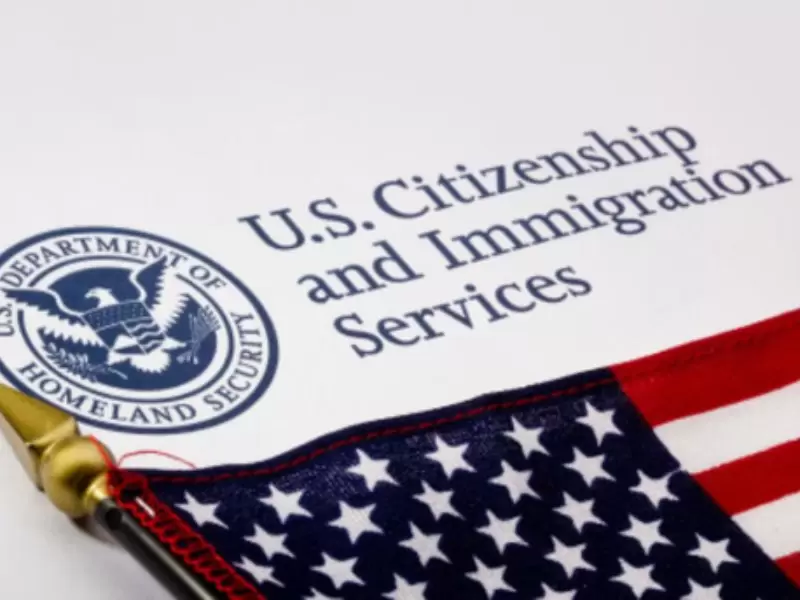 United States Citizenship and Immigration Services (USCIS). / IANS
A New Hampshire university could lose as many as 2,000 international graduate students unless the Department of Homeland Security quickly approves a pending application tied to a new doctoral program, prompting lawmakers to press the Trump administration for urgent action.
The issue surfaced during a Senate Appropriations Subcommittee hearing on the Department of Homeland Security's fiscal 2027 budget request, where Sen. Jeanne Shaheen of New Hampshire raised concerns about delays affecting New England College and its ability to enroll foreign students in a new Doctorate in Business Administration program.
ALSO READ: US visa fee row clouds Indian doctor pathway
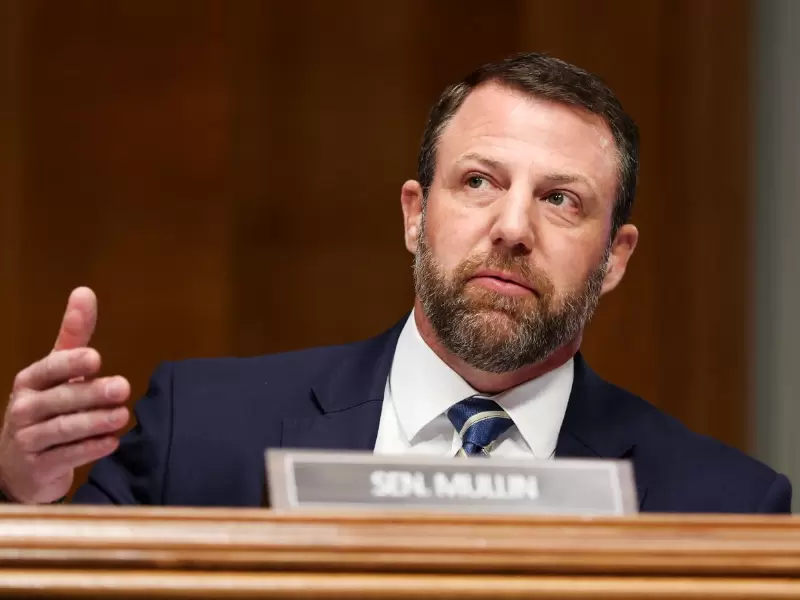
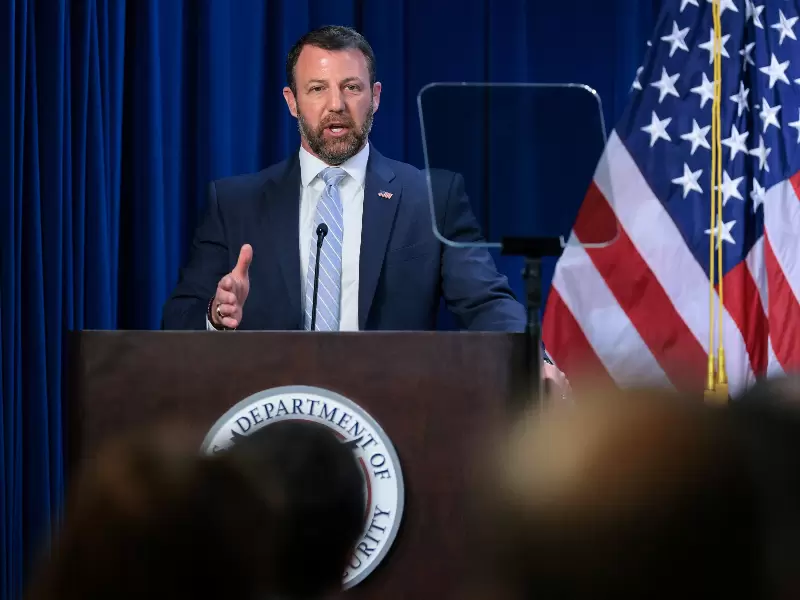
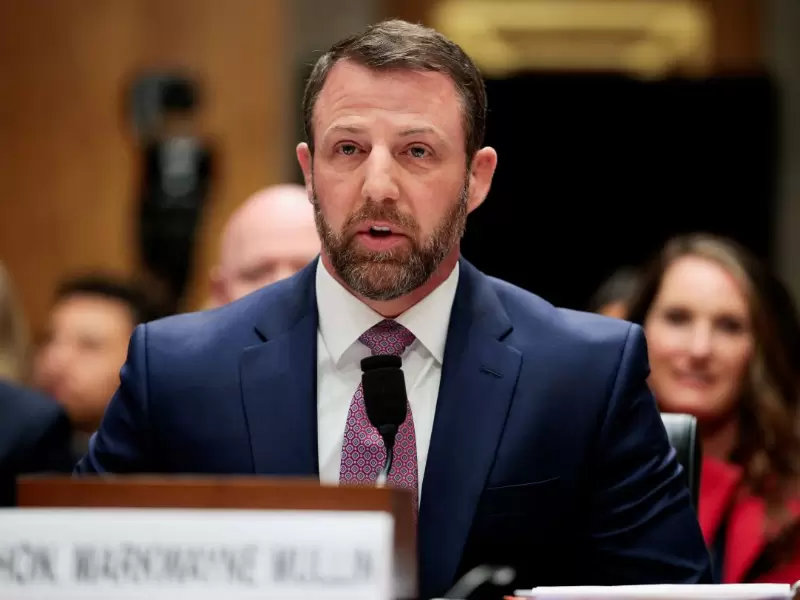
During a congressional hearing, Shaheen told Homeland Security Secretary Markwayne Mullin that the college faces a critical July 1 deadline and warned that failure to secure approval could have serious consequences for the institution and its students.
"As I explained on the phone, there is real urgency about this because, without approval by July 1, they're going to potentially lose 2,000 students, graduate students," Shaheen said.
The senator said the institution prepares students for careers in artificial intelligence, national security, health care management and other high-demand sectors.
"This is a university that prepares students for jobs in artificial intelligence, national security, health care management, a lot of other high-demand, high-skill professions," Shaheen said, adding that the college plays an important role in both the local community and the state's economy.
Seeking an update on the application, Shaheen asked whether DHS could provide clarity on the status of the school's request to enroll F-1 international students in the new program.
Mullin acknowledged the urgency of the matter and said the department had already begun reviewing the case.
"We've got the point of contact. We'd asked for the point of contact for the college; I believe we did receive that, and we give it to USCIS," Mullin said.
The secretary said the issue had been discussed only days earlier and promised to seek an update from U.S. Citizenship and Immigration Services.
"I don't think there's going to be much of one, because we just talked about this Thursday, I believe, and so I think we're working on it," he said.
When Shaheen noted that the college had still not heard from the department, Mullin pledged immediate follow-up.
"If they haven't heard back from them I will -- they will hear back from them today -- not -- well, tomorrow," he said.
The exchange highlighted the growing importance of international students to American universities, particularly graduate programs in science, technology, business and health care fields that depend heavily on overseas enrollment.
The F-1 visa program is the primary route through which international students study in the United States. India has emerged as one of the largest sources of foreign students in the country, with Indian enrollment rising sharply in recent years, especially in graduate-level programs focused on technology, engineering, business and artificial intelligence.
Discover more at New India Abroad.
Related


ADVERTISEMENT

ADVERTISEMENT
E Paper
Video

Comments
Start the conversation
Become a member of New India Abroad to start commenting.
Sign Up Now
Already have an account? Login