ADVERTISEMENT

ADVERTISEMENT



UNEP pays tribute to ecologist Madhav Gadgil
The UN body said Gadgil’s work shaped environmental policy and conservation efforts in India for decades.
-
1759953093.png) Staff Reporter
Staff Reporter - Thu, 08, Jan 2026
- 14:35 EST
- 20
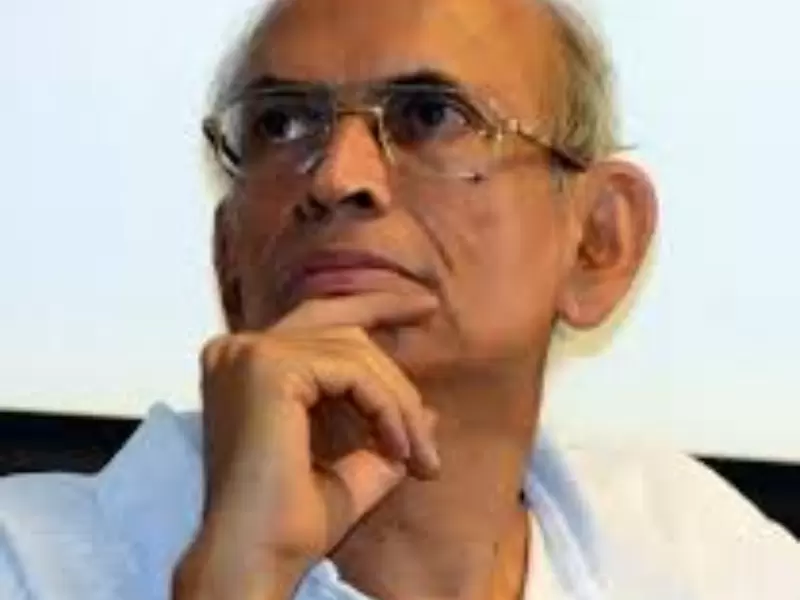 Madhav Gadgil / Wikipedia
The United Nations Environment Programme (UNEP) paid tribute to eminent Indian ecologist Madhav Dhananjaya Gadgil, who passed away on Jan. 7, at the age of 83.
ATRAP: The agency acknowledged his contributions to science, nature conservation, and community-led environmental action.
Also Read: Vijay Chandrasekaran joins Moores Lab AI as engineering VP
Describing him as a “leading voice for science, nature, and people” whose work influenced public debate and policy at both state and national levels, UNEP said it was “deeply saddened” by Gadgil’s death.
A recipient of the Champions of the Earth Lifetime Achievement Award, the United Nations’ highest environmental award, Gadgil was highly regarded for a lifetime of research and engagement aimed at protecting natural resources through science-based assessments and involvement of local communities.
UNEP highlighted his work on environmental impact assessments and grassroots initiatives that helped shape environmental discourse. Itunderscored Gadgil’s role in safeguarding the Western Ghats, a globally significant biodiversity hotspot in India. He consistently advocated for development that respects ecological limits and supports local livelihoods.
“His legacy lives on in healthier ecosystems, stronger institutions and the young people he inspired to protect our shared planet,” UNEP said in its statement.
Gadgil was born on May 24, 1942, in Pune, India. He founded the Centre for Ecological Sciences at the Indian Institute of Science in Bengaluru and served on numerous scientific and advisory bodies, including the Scientific Advisory Council to the Prime Minister of India.
He also chaired the Western Ghats Ecology Expert Panel in 2010, widely known as the Gadgil Commission.
Over his career, Gadgil received several major honors, including the Volvo Environment Prize, the Tyler Prize for Environmental Achievement, India’s fourth-highest civilian award, the Padma Shri in 1981, and the third-highest civilian award, the Padma Bhushan in 2006, in addition to the United Nations’ Champions of the Earth award.
Gadgil is survived by his son and daughter. His wife, meteorologist Sulochana Gadgil, predeceased him in July 2025.
Related







ADVERTISEMENT
ADVERTISEMENT
E Paper
Video

Comments
Start the conversation
Become a member of New India Abroad to start commenting.
Sign Up Now
Already have an account? Login