ADVERTISEMENT

ADVERTISEMENT



Subramanyam backs ruling on Pentagon Press ban
He called the reporter bans unconstitutional and urged immediate compliance by Defense Secretary Hegseth.
-
1759163132.png) Anushka Pathak
Anushka Pathak - Sun, 22, Mar 2026
- 03:49 EDT
- 22
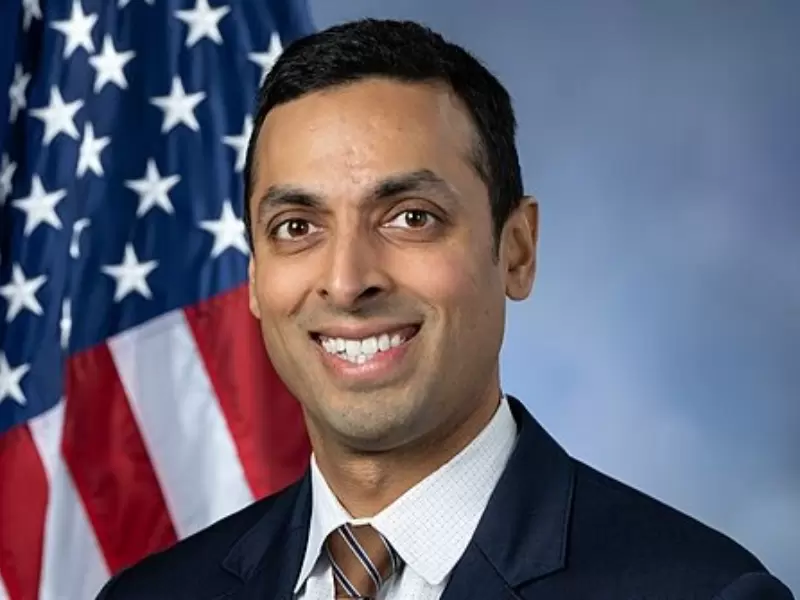 Virginia State Senator Suhas Subramanyam / Courtesy: Wikipedia
Congressman Suhas Subramanyam welcomed a federal judge’s decision declaring the Pentagon’s revised press access policy unlawful.
He described the earlier exclusion of credentialed journalists as a clear violation of the First Amendment and a serious blow to government transparency.
ALSO READ: Won’t be a ceremonial politician: Rakhi Israni
In a strongly worded statement released shortly after the ruling, the Virginia congressman, who serves as ranking member of the House Armed Services Subcommittee on Military and Foreign Affairs Oversight, celebrated the court’s finding that restrictions placed on reporters’ credentials were illegal.
Subramanyam has long maintained that barring journalists from the Pentagon building undermined both press freedom and the public’s right to know how the Department of Defense operates.
He reiterated his consistent position that the policy represented an attack on core democratic principles, stating, "I have said repeatedly that banning reporters at the Pentagon was an attack on the First Amendment and our democracy.”
The lawmaker directly called on Defense Secretary Pete Hegseth to fully comply with the court’s order without delay.
“Secretary Hegseth must obey the order and, as this war with Iran enters its 4th week, it’s more important than ever that the American people know what's happening at the Pentagon and how their taxpayer money is being spent,” Subramanyam declared.
He emphasized that open access for independent journalists becomes especially critical during active military operations, when decisions involving U.S. forces, national security strategy, and billions in defense appropriations are being made daily.
The ruling was issued by a U.S. District Judge in Washington, D.C., on March 20 and stemmed from a lawsuit brought by The New York Times challenging the policy implemented under Secretary Hegseth.
In a 40-page opinion, the judge found the policy violated the First Amendment by engaging in viewpoint discrimination, favoring reporters willing to publish favorable or officially sanctioned stories, as well as the Fifth Amendment due to its vagueness and lack of fair notice about what journalistic practices could lead to credential revocation.
Discover more at New India Abroad.
Related


.jpg)





ADVERTISEMENT

ADVERTISEMENT
E Paper
Video

Comments
Start the conversation
Become a member of New India Abroad to start commenting.
Sign Up Now
Already have an account? Login