ADVERTISEMENT

ADVERTISEMENT



Ragas in the remix: Art music in Indian pop
From sacred structures to sonic samples: The evolution of classical ragas in the age of Indian pop.
-
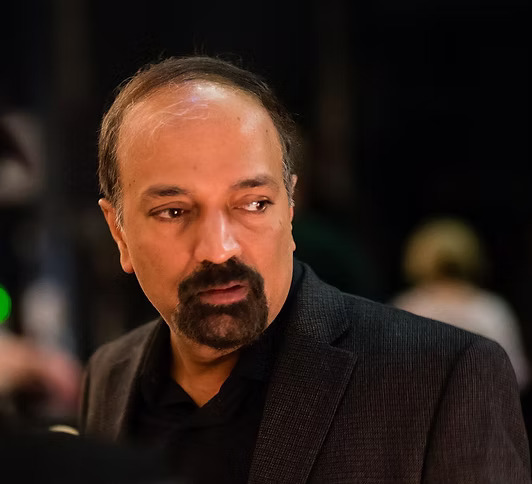 Dr Kanniks Kannikeswaran
 - Sun, 22, Mar 2026
- 05:46 EDT
- 19
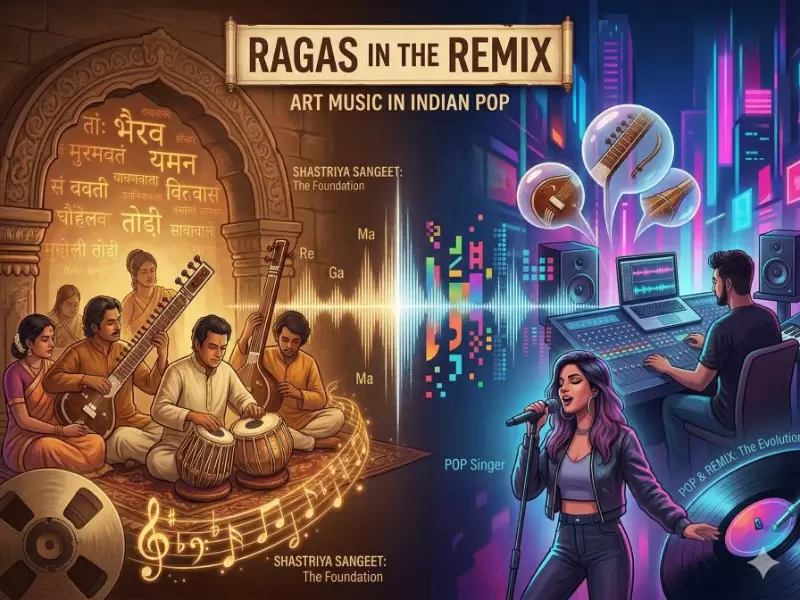 Representative image / Courtesy: AI-generated
The engagement between Indian classical ragas and popular film music has been a deep, intricate saga ever since the birth of Indian films. In the long-past vintage era, composers didn't just borrow from the classical tradition or shastriya sangit; they meticulously crafted entire compositions upon the rigorous architecture of a raga, ensuring absolute fidelity to its structure and emotional essence.
Pioneers such as Pankaj Mallick laid the foundation, often presenting pieces that were essentially light classical works adapted for the screen, maintaining an undeniable, direct lineage to the raga. This mantle was borne proudly by titans like C. Ramchandra, Naushad, and others whose filmographies are rich with songs where the raga stands as the definitive melodic scaffold, guiding the musical trajectory from inception to conclusion. Inspiration from classical ragas rang loud and clear in the music of the greats, such as SD Burman and Shankar Jaikishan.
ALSO READ: The Raga cortisol connection: Ancient sounds for modern burnout
In that earlier era, a song's structure faithfully preserved the chalan (movement) of the raga, making the classical influence pervasive and absolutely central. Composers revered the raga not as a mere sample but as the fundamental structural blueprint despite orchestral innovation inspired by global sounds.
However, the dawn of the digital age and the ascendance of contemporary Indian pop marked a significant divergence. In the past couple of decades, the practice has frequently devolved from composing within the raga’s framework to simply sampling a mood or placing an easily identifiable musical phrase, a ‘pakkad’ from a raga. The broad current in modern pop and film music involves selective, often superficial, appropriation. The raga's structure is now less a necessary constraint and more a flavor profile, deployed to impart an 'Indian' gloss or a fleeting moment of recognition.
Yet, the inherent power of the raga continues to be a fertile source of creativity and conversational material, as seen in the Amazon Prime series Bandish Bandits. The show's core conflict centers on the tension between classical authenticity and modern eclecticism, powerfully illustrating that the spirit of the raga, with its sophisticated bandishes (compositions), remains a potent force in contemporary narrative and music production, reminding audiences and music creators that there is more beyond the quick remix and there is a wealth of raga-based soundscapes to be explored and shared with humanity.
The writer is an internationally recognized musician and composer based in the United States, who draws on decades of research and practice. He is the author of ‘Anubhuti - Experiencing Muthusvami Dikshitar’, the first book to be published on Dikshitar during his 250th year.
(The views and opinions expressed in this article are those of the author and do not necessarily reflect the official policy or position of New India Abroad.)Discover more at New India Abroad.
Related

.jpg)





ADVERTISEMENT

ADVERTISEMENT
E Paper
Video

Comments
Start the conversation
Become a member of New India Abroad to start commenting.
Sign Up Now
Already have an account? Login