ADVERTISEMENT
ADVERTISEMENT



Indian-origin professor wins NIH grant for autoimmune disease research
Chandra Mohan will examine the earliest biological triggers behind chronic autoimmune diseases.
-
 Ankita Baidya
 - Tue, 07, Jul 2026
- 05:30 EDT
- 74
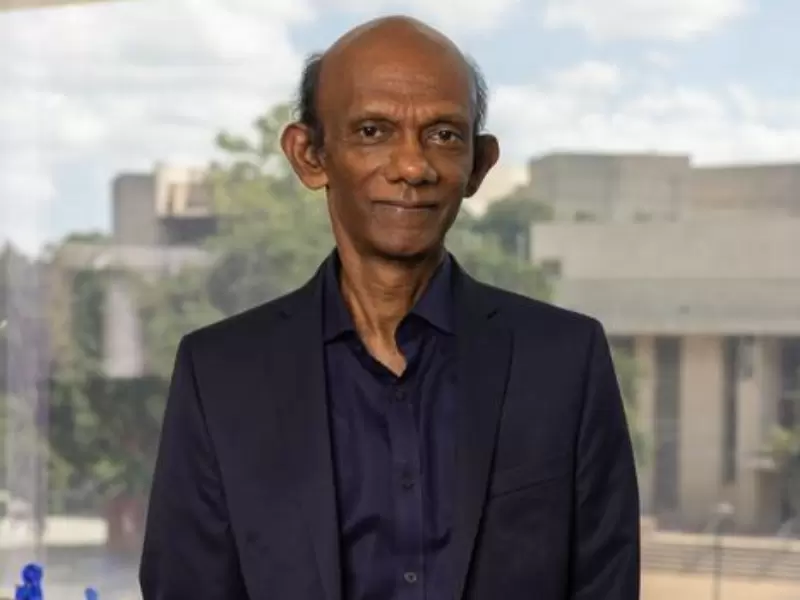 Chandra Mohan will lead a decade-long NIH-funded study at the University of Houston. / University of Houston
Chandra Mohan, an Indian-origin biomedical researcher at the University of Houston, has been awarded a $4 million grant from the National Institutes of Health (NIH) to lead a 10-year study aimed at identifying the earliest biological triggers of autoimmune disease, according to a statement released by the university.
Also Read: New instagram series to amplify Houston community voices
Mohan holds the Hugh Roy and Lillie Cranz Cullen Endowed Professorship in Biomedical Engineering at the University of Houston.
According to the university, the research will focus on Systemic Autoimmune Rheumatic Diseases (SARDs), a group of disorders that includes rheumatoid arthritis, systemic lupus erythematosus, Sjögren's syndrome and systemic sclerosis. The university said these chronic diseases affect more than 30 million people worldwide and currently have no cure.
The study will investigate why the immune system, which normally protects the body from infections and viruses, sometimes mistakenly attacks healthy tissue. According to the university, this process often begins when the immune system targets nuclear antigens inside cells, triggering the production of anti-nuclear antibodies that can eventually lead to autoimmune disease.
"Loss of tolerance to nuclear antigens leads to the development of anti-nuclear autoantibodies and is an early phase of SARD, present in more than 50% of patients," Mohan said, according to the university's statement. He added that the genes, environmental risk factors and molecular pathways responsible for this early stage remain poorly understood.
According to the university, the research team will analyze blood samples alongside environmental exposure data collected over the course of the decade-long study. Mohan said the project aims to identify the genetic, environmental and cellular mechanisms involved in two critical stages of disease development: the appearance of anti-nuclear autoantibodies and the progression to clinically detectable autoimmune disease.
"Individual SARDs have been examined in silos without an attempt to discern shared underlying features at the molecular level," Mohan said, according to the statement. He said a better understanding of the common biological mechanisms underlying these diseases is needed to improve strategies for prevention, early diagnosis and treatment.
The study will be conducted in collaboration with Dr. Karen Costenbader of Harvard Medical School in Boston.
According to the University of Houston's Department of Biomedical Engineering, Mohan previously held the McGee Chair in Arthritis Research and the Walter and Helen Bader Professorship in Autoimmunity before assuming the Cullen Distinguished Professorship. The department said he is an elected member of the American Society of Clinical Investigation and the Henry Kunkel Society and has authored more than 350 scientific publications on autoimmunity and biomarkers.
The department also noted that Mohan completed his doctoral research on the cellular immunology of lupus at Tufts University in Boston. His work has focused on understanding the biological mechanisms that drive autoimmune diseases and identifying biomarkers that could enable earlier diagnosis and more targeted treatments. The NIH-funded study is expected to build on that research by investigating the earliest stages of autoimmune disease development and identifying shared pathways across multiple disorders.
Discover more at New India Abroad.
Leave A Comment
Related









ADVERTISEMENT

ADVERTISEMENT
E Paper
Video

Comments
Start the conversation
Become a member of New India Abroad to start commenting.
Sign Up Now
Already have an account? Login