ADVERTISEMENT

ADVERTISEMENT



Beyond tariffs: Why the India U.S. trade deal signals a strategic shift
Beyond the immediate export bounce, the agreement strengthens India’s strategic pitch as a credible alternative manufacturing hub to China.
-
 R Suryamurthy
 - Tue, 03, Feb 2026
- 13:31 EST
- 18
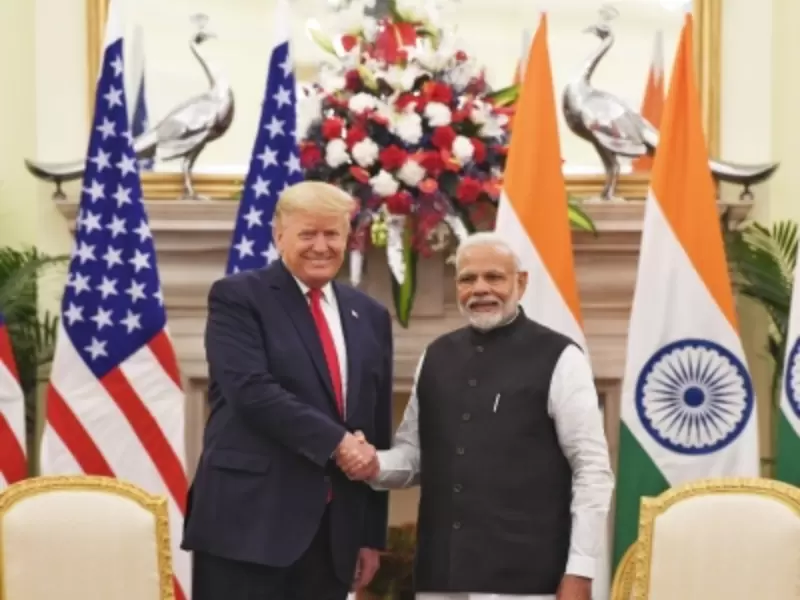 President Trump, PM Modi speak over phone ahead of EAM Jaishankar's U.S. visit / IANS
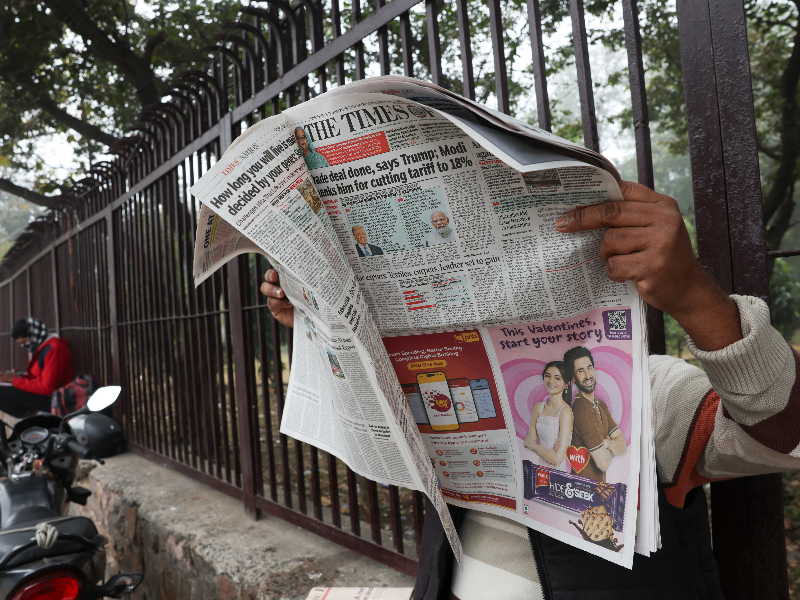
India’s trade agreement with the United States—under which Washington will cut tariffs on Indian goods to 18 percent from levels that had effectively climbed to as high as 50 percent—is being read in New Delhi boardrooms and global markets as far more than a routine trade reset.
Economists and policymakers see it as a strategic inflection point that reshapes India’s export outlook, strengthens its manufacturing push, and subtly recalibrates its geopolitical positioning at a moment when the global trading system itself is fragmenting.
The agreement, announced by U.S. President Donald Trump following a call with Prime Minister Narendra Modi, unwinds punitive duties imposed through 2025 and restores India’s cost competitiveness in its single largest export market, which accounts for roughly 21 percent of India’s total goods exports.
While the detailed legal architecture of the deal is still awaited, analysts argue that the direction of travel is unambiguous: the immediate tariff relief alone could add 20–30 basis points to India’s GDP growth over the next year and catalyse a renewed cycle of investment into export-oriented, labour-intensive manufacturing.
This post is for paying subscribers only
SUBSCRIBE NOWRelated








ADVERTISEMENT

ADVERTISEMENT
E Paper
Video

Comments
Start the conversation
Become a member of New India Abroad to start commenting.
Sign Up Now
Already have an account? Login