ADVERTISEMENT
ADVERTISEMENT



India will remain fastest growing major economy in the world: RBI
High-frequency indicators for Dec. 2025 suggest continued buoyancy in growth impulses, with demand conditions remaining upbeat.
-
 IANS
IANS - Thu, 22, Jan 2026
- 08:53 EST
- 84
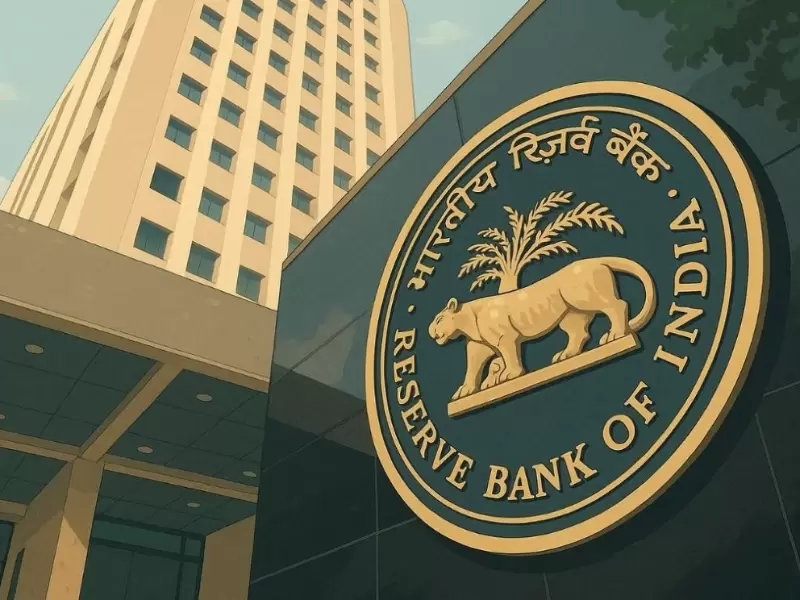 Representative Image of Reserve Bank of India (RBI) logo / Courtesy: IANS
Amid global uncertainties, the current state of the economy provides ground for optimism going forward, and the GDP growth estimates for 2025-26 indicate that India will remain the fastest-growing major economy in the world, according to the Reserve Bank of India (RBI).
India has made significant efforts to diversify and strengthen its exports, aiming to mitigate external sector risks.
“The country is currently engaged in trade negotiations with 14 countries or groups, representing nearly 50 nations, including the European Union, Gulf Cooperation Council countries, and the United States,” said the Central Bank in its monthly Bulletin.
ALSO READ: India showcases 3 key objectives of upcoming ‘AI Impact Summit’ at Davos
The first advance estimates of real GDP growth for 2025-26 reflected the resilience of the Indian economy, driven by domestic factors amid a challenging external environment.
High-frequency indicators for Dec. 2025 suggest continued buoyancy in growth impulses, with demand conditions remaining upbeat.
“Headline CPI inflation edged up in December but remained below the lower tolerance level. The flow of financial resources to the commercial sector has increased over the past year, with both non-bank and bank sources contributing to the credit pick-up,” said the RBI report.
The month of Dec. 2025 saw India concluding trade negotiations with New Zealand and Oman. The year 2025 also witnessed major economic reforms, including the rationalization of tax structures, implementation of labor codes for labor market reforms, and financial sector deregulation, all of which are expected to strengthen the growth prospects.
The Reserve Bank’s 'Report on Trend and Progress of Banking in India 2024-25' underscored the resilience of the banking system, supported by strong capital buffers, improved asset quality, and robust profitability.
Macro stress test results from the latest 'Financial Stability Report,' released in Dec. 2025, affirmed the resilience of banks and non-banking financial companies to withstand losses under adverse scenarios and maintain capital buffers well above the regulatory minimum.
“Going forward, the policy focus on striking a balance between innovation and stability, consumer protection, and a prudent approach to regulation and supervision should help improve productivity and support long-term economic growth,” said the RBI.
Discover more at New India Abroad.
Leave A Comment
Related











ADVERTISEMENT

ADVERTISEMENT
E Paper
Video

Comments
Start the conversation
Become a member of New India Abroad to start commenting.
Sign Up Now
Already have an account? Login