ADVERTISEMENT
ADVERTISEMENT


Move Over Bollywood: How L.A.’s South Asian Indie Filmmakers Are Reshaping Hollywood
A new wave of SoCal creators is building an independent ecosystem to tell hyperlocal diaspora stories.
-
 Pallavi Mehra
 - Tue, 11, Aug 2026
- 02:25 EDT
- 20
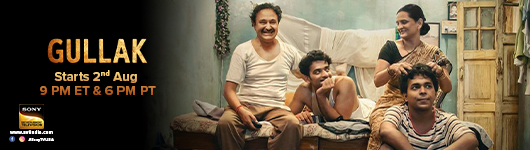
 Poster of the event. / Handout
For decades, the global perception of South Asian cinema in Los Angeles was distilled into the single, glittering word: Bollywood. Large-scale song-and-dance numbers, melodrama and dramatic romances dominated international distribution, while Hollywood pigeonholed South Asian actors into brief, tropey sidekick roles.
Today, a quiet revolution is unfolding across the coffee shops of Silver Lake, production suites in Culver City and independent theaters along Sunset Boulevard. A new generation of South Asian American indie filmmakers in Los Angeles is bypassing traditional studio gatekeepers. They are constructing their own ecosystem to tell raw, hyperlocal diaspora stories, facing complex realities like mental health stigma, queer identity and intergenerational tension head-on.
The Incubation Hub: Festivals & Pitch Rooms
At the center of this movement is the Indian Film Festival of Los Angeles (IFFLA). Once primarily a showcase for celebrated South Asian feature films, IFFLA has evolved into a powerhouse launchpad for homegrown diaspora talent. With initiatives like IFFLA Industry Days and the Launchpad Pitch Competition, the festival bridges indie creators directly with executives from major studios, streamers and production houses.
“For a long time, the advice was to fit your script into what executives thought an Indian story should be,” says Karji, an L.A.-based indie producer. “IFFLA changed the math. Suddenly, you’re in a room where executives from Netflix or Sundance Institute are actively listening to a pitch about a chaotic Gujarati family in Artesia dealing with therapy, without you needing to explain what a roti is first.”
Unpacking Taboos: From Queer Identity to Mental Health
What sets this new wave apart is its refusal to sanitize the diaspora experience for external approval. The narratives coming out of Southern California’s South Asian creative circles are deliberately specific, deeply intimate and nuanced.
Mental Health Without Shame: Long treated as a silent topic in immigrant households, mental health is taking center stage in indie scripts. Creators are framing therapy, anxiety and depression not as cultural failures, but as everyday realities.
Queer South Asian Narratives: Indie shorts and digital series are giving voice to queer and trans South Asians whose stories were historically marginalized. From stories about coming out to traditional grandparents to navigating queer dating in West Hollywood, these films blend humor with poignant vulnerability.
Intergenerational Tension Beyond the Cliché: Moving past the cliché “parents want me to be a doctor” narrative, filmmakers are exploring deeper structural rifts, such as how trauma manifests across generations, or how second-generation kids care for aging parents while holding contrasting value systems.
“We grew up watching stories where our cultures were treated as either an exotic backdrop or an obstacle to overcome,” explains Zorawar, an actor and creator working across L.A.’s indie circuit. “Now, we’re writing characters who contain multitudes; they can be queer, anxious, hilarious and deeply rooted in their heritage all at once.”
Digital Autonomy & Grassroots Collectives
When traditional financing falls short, SoCal’s South Asian creators rely on digital platforms and grassroots networks. Web series hosted on YouTube and Vimeo, self-funded pilot presentations on TikTok and micro-budget indie features financed through community crowdfunding have become viable pathways to industry visibility.
Indie writers’ rooms, often hosted in living rooms or community spaces across Los Angeles, have become informal incubators. Creators trade script coverage, share contact lists and assemble guerrilla film crews composed almost entirely of fellow South Asian creatives, from cinematographers to sound designers.
As Los Angeles continues to serve as the epicenter for this storytelling shift, the boundary between “indie diaspora project” and “mainstream Hollywood” is growing increasingly blurred. By claiming their own narratives on their own terms, these filmmakers are redefining what global South Asian cinema looks like for generations to come, and we’re all for it.
Discover more at New India Abroad.
Leave A Comment
Related




ADVERTISEMENT

ADVERTISEMENT
E Paper
Video

Comments
Start the conversation
Become a member of New India Abroad to start commenting.
Sign Up Now
Already have an account? Login