ADVERTISEMENT
ADVERTISEMENT



Mortal remains of 54,511 Indian nationals brought back between 2016-2025: EAM Jaishankar
The clarification came in a written response by External Affairs Minister S. Jaishankar while replying to a question raised in the Lok Sabha.
-
 IANS
IANS - Fri, 12, Dec 2025
- 09:17 EST
- 110
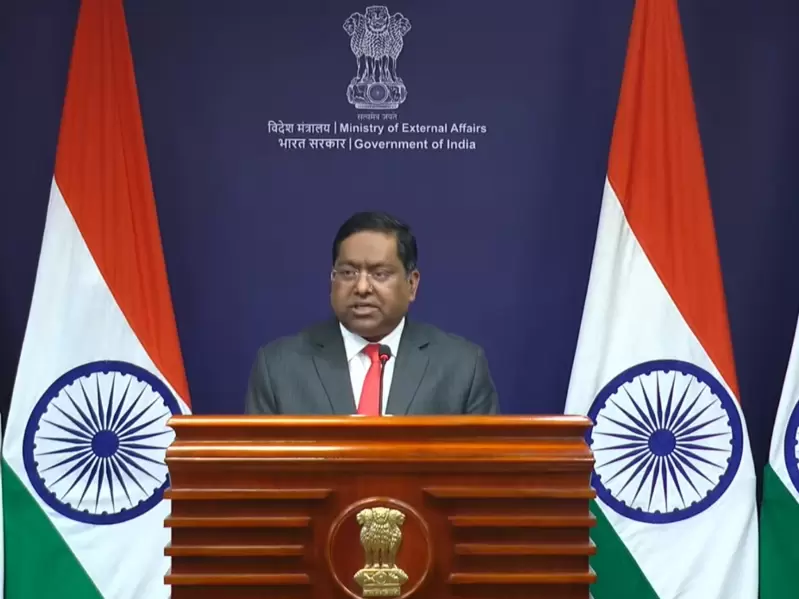
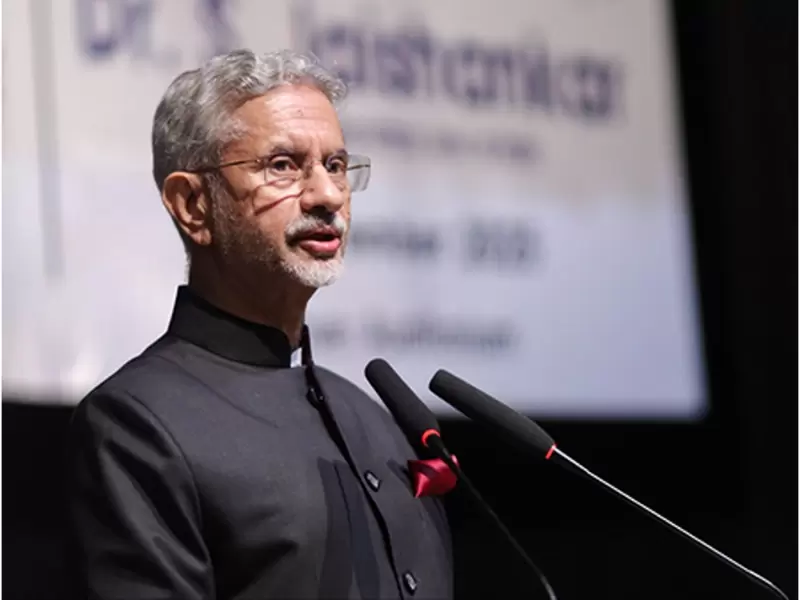 Indian Minister of External Affairs of India / Courtesy: IANS
The Indian Ministry of External Affairs (MEA) on Dec. 12 informed Parliament that the government has not recorded any significant rise in deaths of Indian nationals living or working abroad and stated that the mortal remains of 54,511 Indians have been brought back to the country between 2016-2025.
The clarification came in a written response by External Affairs Minister S. Jaishankar while replying to a question raised in the Lok Sabha on Dec. 12 regarding the procedures, delays, and challenges associated with bringing bodies back to India.
According to data placed before the House, the number of mortal remains transported to India was recorded as 4,167 in 2016; 4,222 in 2017; 4,205 in 2018; 5,291 in 2019; 5,321 in 2020; 5,834 in 2021; 5,946 in 2022; 6,532 in 2023; 7,096 in 2024 and 5,897 in 2025 (till October).
The MEA said that Indian Missions follow a detailed Standard Operating Procedure (SOP) to assist families, coordinate with local authorities abroad, and ensure timely transportation in accordance with local laws.
The government maintained that no fixed timeline can be prescribed for repatriation, as the duration varies based on the cause of death, host-country procedures, documentation requirements, and whether next of kin are available to provide consent.
While natural death cases typically take between three and 14 days to process, the MEA noted that unnatural deaths often face delays due to police investigations, autopsies, or challenges in establishing identity. In some cases, DNA profiling has been necessary.
The government also highlighted the major difficulties faced by families, including high transport costs, delays in obtaining local police or medical reports, and a lack of clarity about required documents.
To address such concerns, Missions have been instructed to treat all such cases as a priority and issue No Objection Certificates (NOC) even on holidays. Dedicated 24/7 consular helplines are available for immediate assistance.
Additionally, the Indian Community Welfare Fund (ICWF) is available to support economically weaker families who are unable to bear transportation expenses.
Every Mission, the MEA said, is equipped with adequate consular staff to handle emergency cases and coordinate with airlines and local authorities to expedite the process.
Leave A Comment
Related






ADVERTISEMENT

ADVERTISEMENT
E Paper
Video

Comments
Start the conversation
Become a member of New India Abroad to start commenting.
Sign Up Now
Already have an account? Login