ADVERTISEMENT
ADVERTISEMENT



Indian diplomacy 2025: Trade, culture and strategy in a changing world order
Indian diplomacy in 2025 reflected a profound evolution. It was no longer limited to crisis management or symbolic outreach.
-
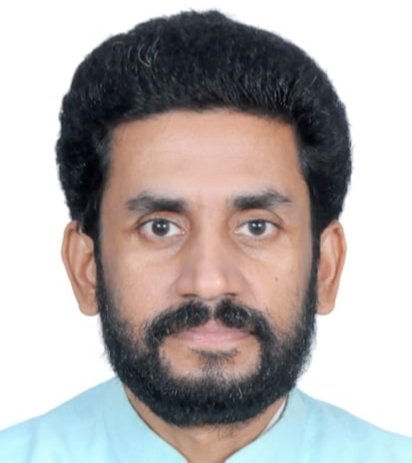 Amit Deshmukh
 - Mon, 29, Dec 2025
- 22:26 EST
- 248
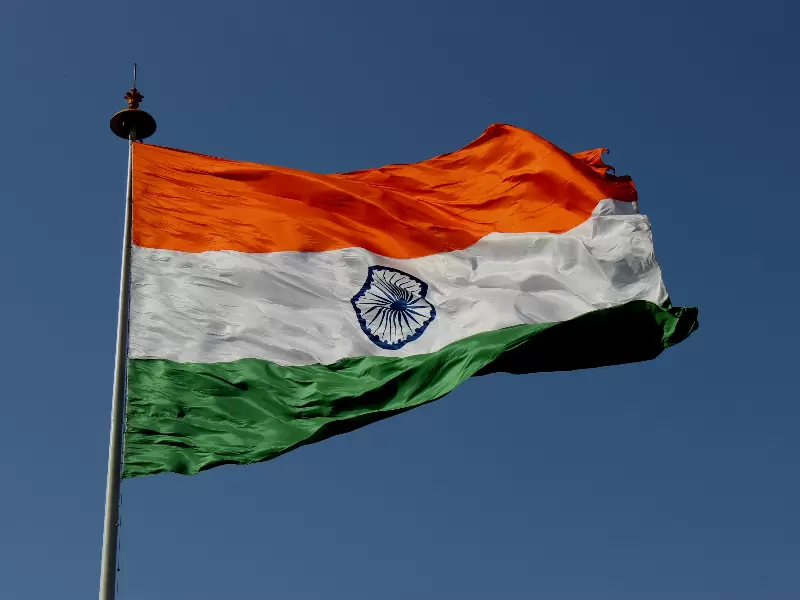 Indian flag / Pexels
Indian diplomacy in 2025 moved beyond conventional statecraft. It blended hard geopolitics with trade realism and cultural confidence, reflecting a nation that increasingly uses economic integration and civilisational soft power as strategic tools. From Free Trade Agreements (FTAs) to yoga, Ayurveda and cultural outreach, India’s foreign policy this year signalled an important shift—from reactive diplomacy to agenda-setting global engagement.
FTAs: Trade as Strategic Diplomacy
One of the most consequential aspects of India’s diplomacy in 2025 was the renewed push for Free Trade Agreements. New Delhi treated trade not merely as an economic exercise but as a geopolitical instrument. Ongoing and concluded FTAs with partners in Europe, West Asia, and the Indo-Pacific aimed at securing supply chains, boosting manufacturing, and expanding market access for Indian goods and services.
These agreements strengthened India’s position as a reliable economic partner at a time when protectionism and trade fragmentation are on the rise globally. By balancing domestic industry concerns with global integration, India projected confidence in its economic fundamentals. The long-term impact of these FTAs will be deeper investment flows, technology transfer, and India’s integration into global value chains—critical for its ambition to become a manufacturing and innovation hub.
Cultural Diplomacy: Soft Power with Strategic Depth
Alongside trade and security, cultural diplomacy emerged as a powerful pillar of India’s global engagement in 2025. Yoga, Ayurveda, traditional medicine, Indian languages, cuisine, and festivals became instruments of healing and dialogue in a divided world.
International Day of Yoga celebrations across continents were not just cultural events but diplomatic platforms—bringing together political leaders, diplomats, and civil society. Ayurveda and wellness initiatives resonated particularly in Africa, Europe, and West Asia, where India positioned itself as a partner in preventive healthcare and holistic well-being.
This emphasis on wellness diplomacy gave India a unique moral and cultural voice—one that transcended political divisions and connected directly with people.
Healing Diplomacy: Yoga, Ayurveda and Global Well-being
In a post-pandemic, conflict-ridden world, India’s message of balance and harmony found global relevance. Yoga and Ayurveda were projected not merely as traditions, but as scientific, evidence-based wellness systems. Indian missions abroad actively promoted collaborations in traditional medicine, research, and education.
This form of “healing diplomacy” enhanced India’s credibility as a nation offering solutions beyond economics and security—addressing mental health, lifestyle diseases, and community well-being.
Changing Nature of Diplomacy: From Elite to People-Centric
A defining feature of Indian diplomacy in 2025 was its increasingly people-centric approach. Diaspora engagement, student mobility, tourism, digital platforms, and cultural exchanges became integral to foreign policy outreach. Indian embassies functioned not just as political offices, but as hubs for trade promotion, cultural exchange, and innovation partnerships.
Digital diplomacy also expanded India’s reach, allowing New Delhi to communicate its positions clearly and counter misinformation. This shift made diplomacy more transparent, participatory, and connected to everyday lives.
Integrating Culture with Geopolitics
Importantly, India did not treat cultural diplomacy as a soft substitute for hard power. Instead, culture complemented strategy. While India engaged the US on technology, China on stability, Russia on legacy ties, Africa on development, and West Asia on energy and connectivity, its cultural outreach reinforced trust and familiarity.
This integration strengthened India’s image as a civilisational state comfortable with modernity—rooted in tradition yet future-oriented.
Long-Term Impact
The combined effect of FTAs, cultural diplomacy, and strategic engagement in 2025 will shape India’s global standing for years to come. Economically, India is positioning itself as an indispensable trade and investment partner. Diplomatically, it is emerging as a bridge between competing blocs. Culturally, it is offering a narrative of harmony, wellness, and inclusivity.
Conclusion
Indian diplomacy in 2025 reflected a profound evolution. It was no longer limited to crisis management or symbolic outreach. By weaving together trade agreements, strategic autonomy, and cultural confidence—through yoga, Ayurveda, and people-to-people ties—India presented a holistic model of global engagement.
In a fractured world searching for stability and meaning, India’s diplomacy offered something rare: strategic clarity combined with civilisational calm.
(The views and opinions expressed in this article are those of the author and do not necessarily reflect the official policy or position of New India Abroad.)
Amit Deshmukh – Former journalist, researcher, and expert in media law and digital diplomacy. An alumnus of IIMC Delhi, with over 15 years of media experience and 7 years of research in China on Indian lifestyle, yoga, and Ayurveda.
Leave A Comment
Related


ADVERTISEMENT

ADVERTISEMENT
E Paper
Video

Comments
Start the conversation
Become a member of New India Abroad to start commenting.
Sign Up Now
Already have an account? Login