ADVERTISEMENT

ADVERTISEMENT



USCIS hits FY2027 H-1B visa cap; filing opens today
Petitions for selected beneficiaries may be filed beginning April 1, 2026.
-
 IANS
IANS - Tue, 31, Mar 2026
- 23:04 EDT
- 12
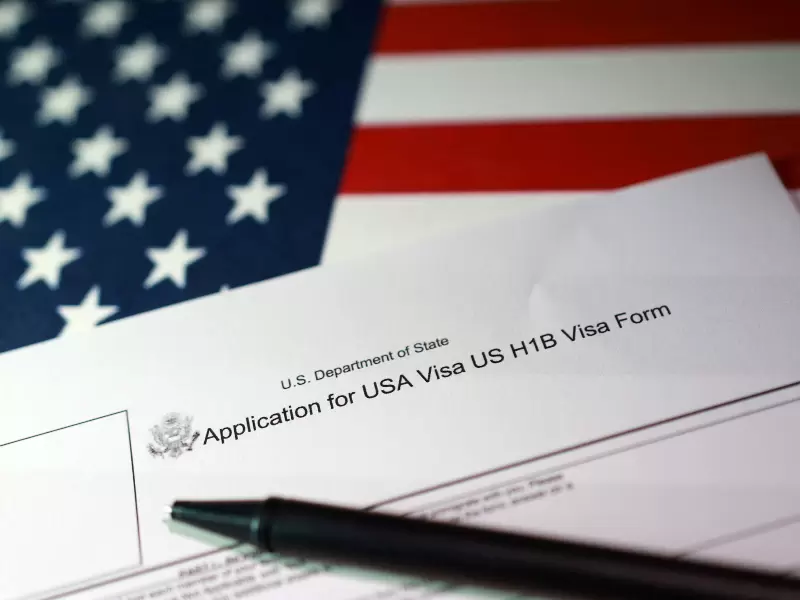 A U.S. flag and a U.S. H-1B Visa application form are seen in this illustration taken, September 22, 2025. / REUTERS/Dado Ruvic/Illustration
The U.S. Citizenship and Immigration Services (USCIS) said that it has received enough electronic registrations to meet the fiscal year 2027 H-1B visa cap, including the advanced degree exemption, triggering the next phase of filings starting Apr. 1.
The agency confirmed it has “selected enough beneficiaries with properly submitted registrations to reach the H-1B cap” and has notified petitioners whose beneficiaries were chosen. Only those with selected registrations are eligible to file H-1B cap-subject petitions for FY 2027.
Registrants can check their status through their online USCIS accounts, the agency said.
Petitions for selected beneficiaries may be filed beginning Apr. 1, 2026. USCIS said the filing window will be at least 90 days, and petitions must include a copy of the relevant selection notice. Filings must be made at the correct location or online through the agency’s portal.
ALSO READ: U.S. moves to raise H-1B wage floors
The agency also introduced a compliance requirement tied to documentation. Each petition must match the identifying and position details submitted during registration. Petitioners must submit evidence of the beneficiary’s valid passport or travel document used at registration, along with proof supporting the wage level declared.
USCIS said that from Apr. 1, it will only accept the new edition of Form I-129 (dated 02/27/26) for all FY 2027 H-1B filings.
The announcement comes with an additional financial condition tied to a presidential proclamation. Certain H-1B petitions filed on or after September 21, 2025, must include an additional $100,000 payment as a condition of eligibility, the agency said.
USCIS stressed that selection in the registration process does not guarantee approval. Petitioners must still establish eligibility and submit all required evidence under Form I-129 instructions.
For 2027, USCIS has implemented a new weighted selection system according to which the system prioritises higher-skilled and higher-paid applicants based on Occupational Employment and Wage Statistics (OEWS) wage levels.
Congress has set the annual H-1B cap at 65,000 visas, with up to 6,800 reserved for the H-1B1 programme under U.S. trade agreements with Chile and Singapore. An additional 20,000 visas are available for applicants with advanced degrees from U.S. institutions.
Certain categories remain exempt from the cap. These include petitions filed by U.S. higher education institutions and workers employed in Guam and the Commonwealth of the Northern Mariana Islands, provided filings are made before Dec. 31, 2029.
The H-1B visa programme is widely used by U.S. companies to hire foreign workers in specialised occupations, particularly in technology, engineering and research roles. Indian nationals account for a significant share of H-1B recipients each year.
Discover more at New India Abroad.
Related








ADVERTISEMENT

ADVERTISEMENT
E Paper
Video

Comments
Start the conversation
Become a member of New India Abroad to start commenting.
Sign Up Now
Already have an account? Login