ADVERTISEMENT

ADVERTISEMENT



Trade deal unlocks $30 trillion U.S. market for India’s exports
Under the agreement, tariffs on $30.94 billion worth of exports have been reduced from 50 percent to 18 percent.
-
 IANS
IANS - Mon, 09, Feb 2026
- 10:34 EST
- 26
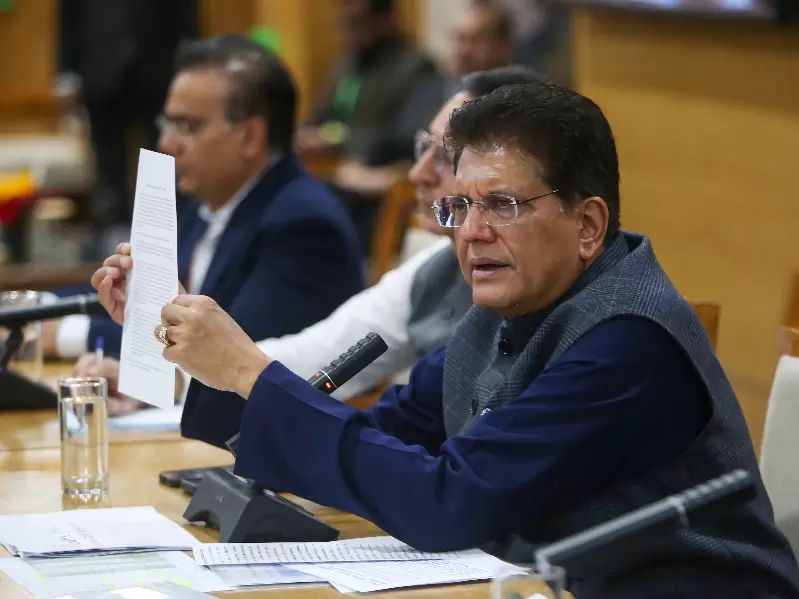 Union Minister Piyush Goyal addresses a press conference in New Delhi, Saturday, February 7, 2026. / (IANS/Preamnath Pandey)
The India-US Bilateral Trade Agreement (BTA) marks a major milestone in India’s global trade engagement, securing sustained preferential access for exports in the U.S. market valued at over $30 trillion, according to an official statement issued on Feb. 9.
The agreement delivers comprehensive tariff rationalisation, zero-duty access across large product categories, enhanced digital and technology cooperation, and a carefully calibrated framework to safeguard India’s farmers, MSMEs and domestic industry.
Also Read: Beyond tariffs: Why the India U.S. trade deal signals a strategic shift
With India’s total exports to the United States standing at $86.35 billion in 2024, the agreement significantly enhances competitive access across key sectors, including textiles, leather, gems and jewelry, agriculture, machinery, home decor, pharmaceuticals and technology-driven industries.
Under the agreement, tariffs on $30.94 billion worth of these exports have been reduced from 50 percent to 18 percent, while tariffs on another $10.03 billion have been reduced from 50 percent to zero. This means a substantial share of Indian goods entering the US market will now face either sharply lower tariffs or completely duty-free access, significantly improving price competitiveness.
India’s labour-intensive textiles and apparel exports gain tariff cuts from 50 percent to 18 percent, with silk securing zero percent duty access in a $113 billion US market for these goods while machinery exports see tariffs reduced to 18 per cent, opening opportunities in a $477 billion US market, the statement explained.
The agreement delivers significant gains for India’s leather and footwear sector, positioning the country as most-preferred supplier to the U.S. market. Tariffs on exports from India have been reduced from 50 percent to 18 percent, providing improved access to a US market valued at $42 billion.
Given the labour-intensive nature of the leather and footwear industry, enhanced market access is expected to support manufacturing growth and employment generation, particularly across MSMEs and production clusters.
Similarly, tariffs on gems and jewellery exports have been reduced from 50 percent to 18 percent, providing preferential access to a U.S. market valued at $61 billion. In addition, zero duty market access has been secured for major product categories including diamonds, platinum and coins, covering a US market of $29 billion.
Also Read: India U.S. trade deal gives tariff free access to Harley bikes, no reprieve for Tesla
In another major gain, Indian agricultural exports worth $1.36 billion have got zero additional US duty access while key products including spices, tea, coffee, fruits, nuts and processed foods gain zero-duty treatment
Highly sensitive sectors such as dairy, meat, poultry and cereals remain fully protected under the India-US trade deal, the statement further explained.
The agreement creates a clear tariff differential in favour of India. While duties on Indian products have been lowered, several competing suppliers continue to face elevated tariffs in the US market, including China (35 percent), Vietnam (20 percent), Bangladesh (20 percent), Malaysia (19 percent), Indonesia (19 percent), Philippines (19 percent), Cambodia (19 per cent) and Thailand (19 percent), the statement added.
Discover more at New India Abroad.
Related










ADVERTISEMENT

ADVERTISEMENT
E Paper
Video

Comments
Start the conversation
Become a member of New India Abroad to start commenting.
Sign Up Now
Already have an account? Login