ADVERTISEMENT
ADVERTISEMENT


India U.S. trade deal gives tariff free access to Harley bikes, no reprieve for Tesla
India, the world's third-largest car market after the U.S. and China, has long protected its domestic auto industry with steep import tariffs of 70 percent to 110 percent.
-
 Reuters
 - Sat, 07, Feb 2026
- 14:38 EST
- 82
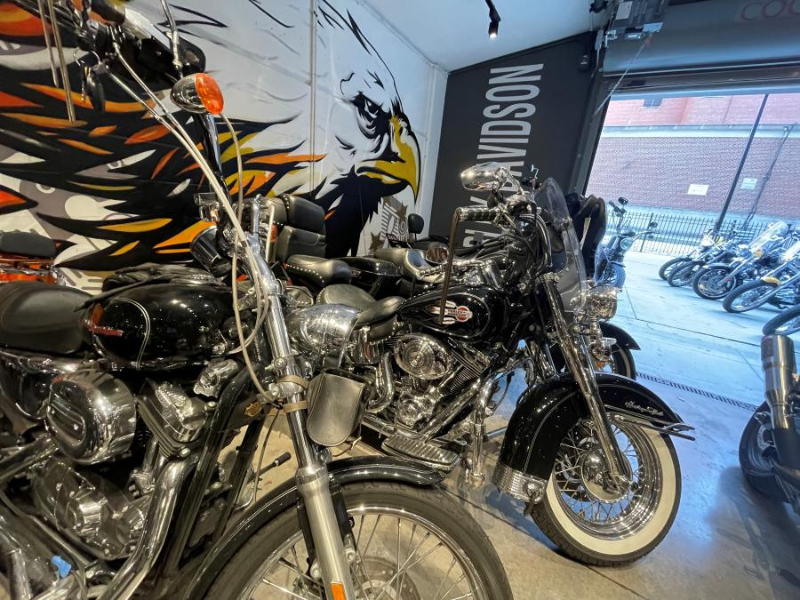 Harley-Davidson motorcycles stand in a garage at Harley-Davidson dealer in Wrigleyville neighborhood, in Chicago, Illinois, U.S., July 13, 2022. / REUTERS/Bianca Flowers
India will slash tariffs on high-end American cars to 30 percent from as high as 110 percent and eliminate duties on Harley-Davidson bikes under an interim trade pact, an official said, but will not make concessions for electric vehicles, a move that pointedly leaves Tesla out.
The U.S. and India moved closer to a trade pact after releasing an interim framework on Feb. 6, days after President Donald Trump said duties on Indian exports would be cut to 18 percent from 50 percent in exchange for New Delhi halting purchases of Russian oil.
ALSO READ: U.S. deal to play pivotal role in India achieving $100 billion textiles exports in 2030
Under the deal, tariffs on traditional internal-combustion cars with engine capacity above 3,000 cc would fall gradually to 30 percent over 10 years, an Indian government official said.
Tesla shut out of tariff cuts
Electric vehicles have been excluded from the deal, the official added, shutting the door on a possible lower-tariff entry route for Tesla—ignoring a key demand from Elon Musk, who has frequently criticized India's high duties.
The stance contrasts with the broader auto access India has offered to the European Union, where New Delhi agreed to steeper tariff cuts to as low as 10 percent across a wider range of vehicles, including eventual concessions on some electric vehicles.
India, the world's third-largest car market after the U.S. and China, has long protected its domestic auto industry with steep import tariffs of 70 percent to 110 percent.
It currently imports few cars from the U.S., although it does bring in high-end motorcycles such as Harley-Davidsons, and other premium motorbikes will also receive reduced duties, the official said.
The official, aware of the discussions, declined to be identified, as the details of the interim pact have not been fully disclosed. India's trade ministry did not immediately respond to an emailed request for comment outside usual office hours.
The tariff cuts are likely to be implemented after the two sides sign an agreement in March 2026.
Discover more at New India Abroad.
Leave A Comment
Related








ADVERTISEMENT

ADVERTISEMENT
E Paper
Video

Comments
Start the conversation
Become a member of New India Abroad to start commenting.
Sign Up Now
Already have an account? Login