ADVERTISEMENT
ADVERTISEMENT



The Gift of Reinvention
America's strength has never come from uniformity. It has come from its remarkable capacity to attract people with different experiences, different questions, and different dreams
-
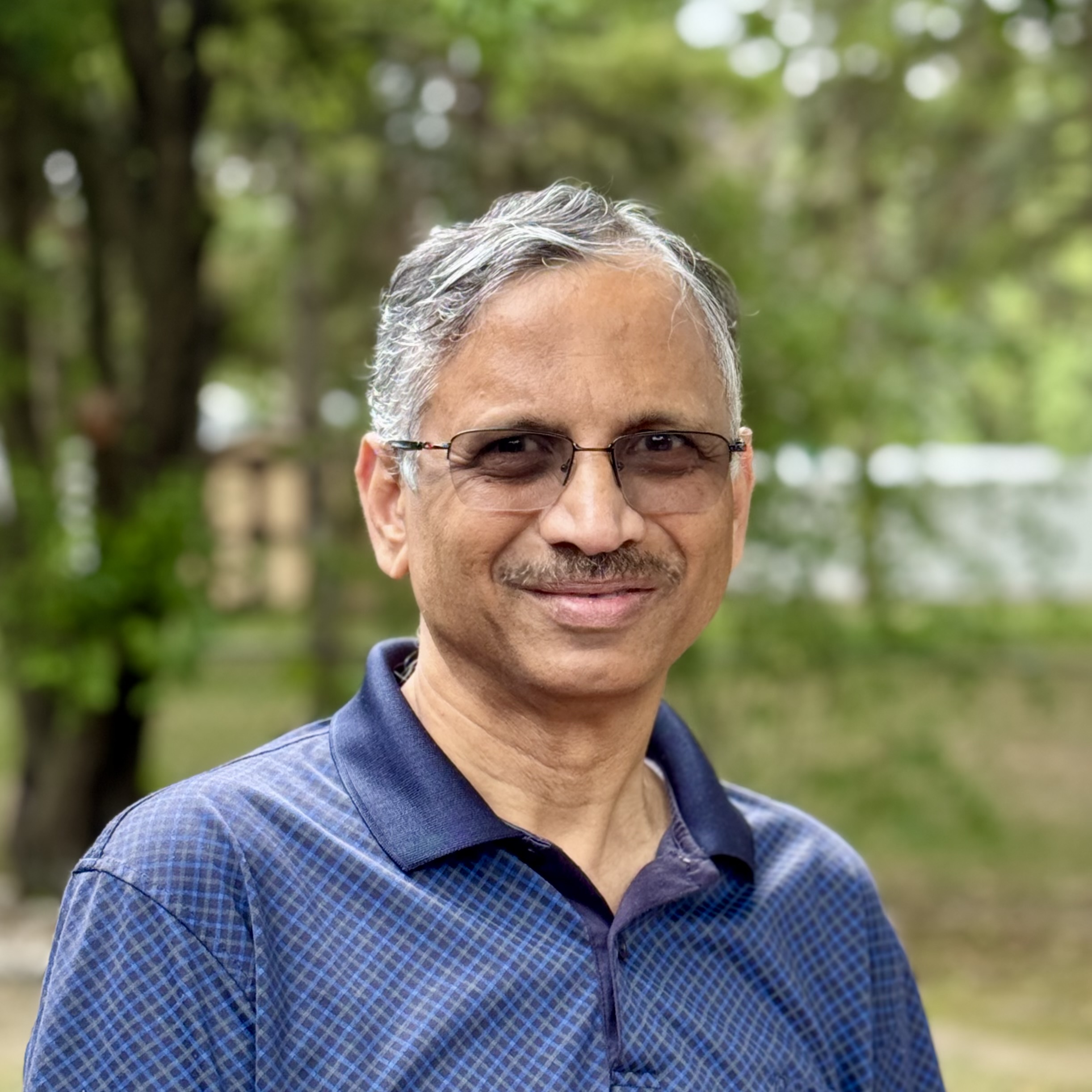 Prasad Kaipa
 - Sat, 04, Jul 2026
- 12:33 EDT
- 28
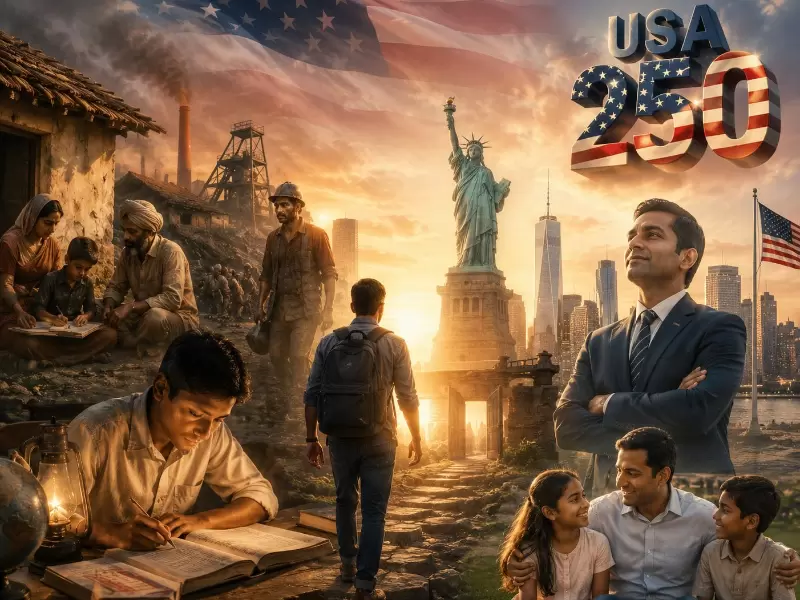
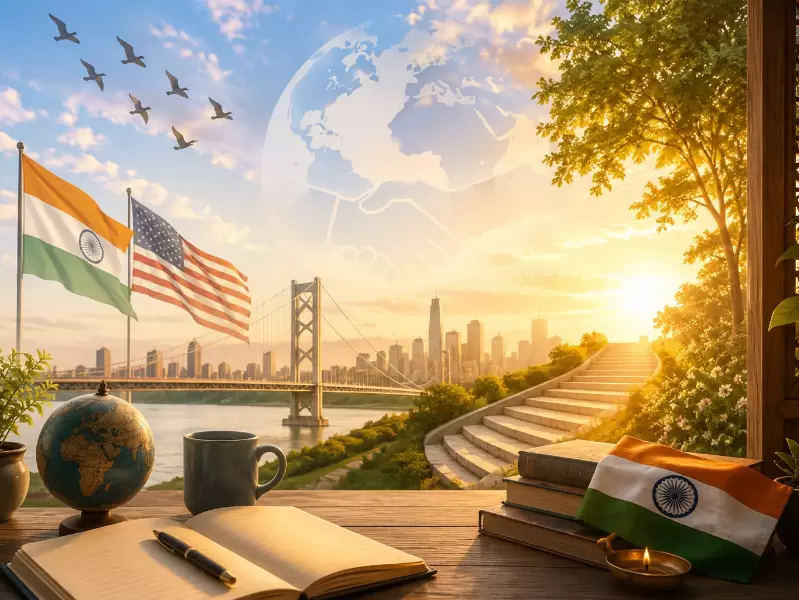
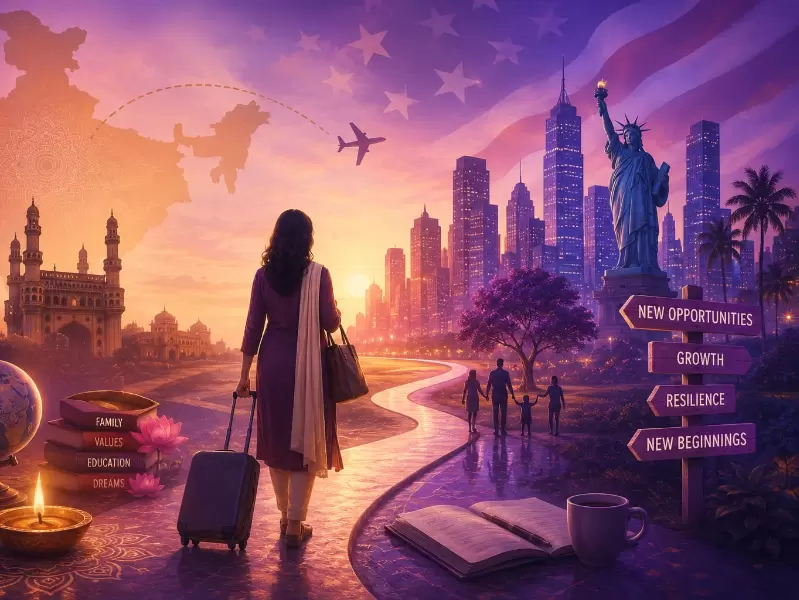
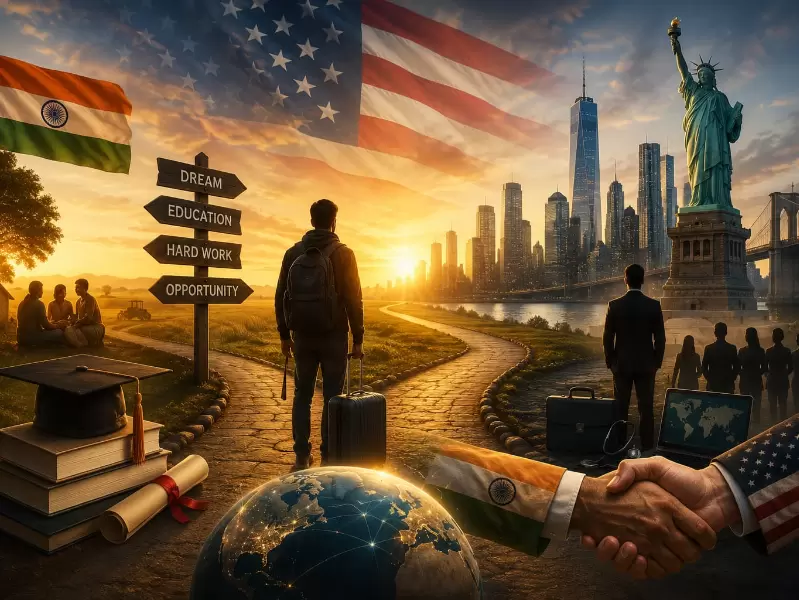
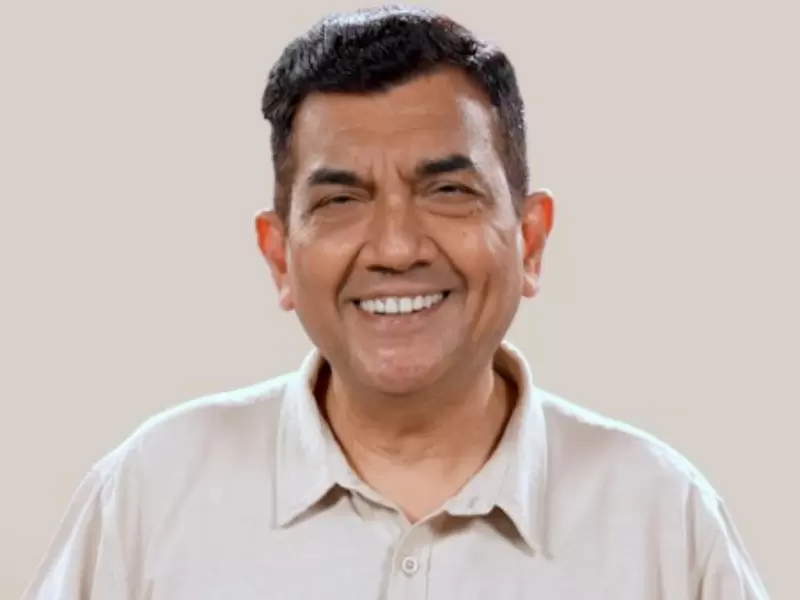
 Representative Image / AI generated
When I came to America more than forty-five years ago, I was a young physicist from India who had just completed my Ph.D. I joined the University of Utah as a postdoctoral research associate, excited by the chance to work with outstanding scientists in an environment that valued inquiry. Like many immigrants, I arrived hoping to build a meaningful career and a good life.
America gave me those opportunities. But as I look back over four decades, I realize that the country gave me something even more important. It expanded my imagination. It taught me that one’s future need not be limited by one’s past, and that it is possible to reinvent oneself more than once.
Growing up in India, I had absorbed the importance of education, discipline, and perseverance. Those values became the foundation of my life. Yet I also carried quiet assumptions about what a career should look like. One became a scientist, an engineer, a doctor, or a professor and then spent a lifetime deepening expertise in that field. To cross disciplines was to risk being seen as unfocused. To begin again was to admit failure.
Also Read: SPECIAL EDITION on America 250
America exposed me to a different possibility. Here I met people who crossed disciplines with ease, questioned accepted wisdom, and were unafraid to start over. Reinvention was not viewed as a lack of direction but as an expression of curiosity and growth. Slowly, my own thinking began to change. I started believing that life did not have to follow a predetermined script. In this, I am not alone. Many Indian Americans have found that living between two cultures invites them to reinvent not only their careers, but also their understanding of home, identity, and wisdom.
That shift changed everything.
After several years in physics, I had the opportunity to work at Apple. At the time, it seemed like an unlikely transition. Yet that experience profoundly reshaped how I thought about creativity, innovation, and human potential. Apple was not simply a technology company; it was a culture where questioning assumptions was expected. It encouraged people to imagine possibilities before worrying about constraints.
During my years at Apple, I became fascinated not only by computers but by a larger question: How do human beings learn, grow, and make breakthroughs? Technology was becoming more powerful, but I found myself asking a different question: Could technology make us smarter without necessarily making us wiser?
That question eventually led me beyond technology into executive coaching, leadership development, teaching, and the study of Indian philosophy in relation to modern organizations. Looking back, the transitions seem improbable—a physicist becoming an executive coach, then a professor of leadership, and later someone deeply engaged with Vedanta, the Bhagavad Gita, and human development. Yet each step grew naturally from the one before because I had learned not to define myself by a single identity.
One of the great ironies of my life is that I discovered India more deeply only after leaving it.
Living in America meant living among people from many cultures, religions, and philosophical traditions. Conversations about meaning, ethics, faith, and the purpose of life made me realize how little I understood about the traditions into which I had been born. What did it really mean to call myself a Hindu? What distinguished Vedanta from religion? What were the Upanishads and the Bhagavad Gita really saying about consciousness and the self?
Those questions gradually led me back to Sanskrit, Vedanta, and a lifelong engagement with India’s intellectual traditions. Ironically, I doubt that journey would have unfolded with the same intensity had I remained in India. Distance has a way of creating clarity. Living in another culture helped me see my own with fresh eyes.
Over time, another realization emerged. The Western intellectual tradition had given me rigorous scientific inquiry, analytical thinking, institutional excellence, and a culture of innovation. The Indian tradition offered equally profound insights into consciousness, self-awareness, and wisdom. Rather than seeing these as competing traditions, I began to see them as complementary. Each illuminated questions that the other often overlooked.
That insight has shaped much of my work over the past three decades. Whether coaching CEOs, teaching leadership, writing books, or helping create new spaces for dialogue, I have tried to build bridges between these traditions. My purpose has never been to argue that one civilization has all the answers. It has been to explore what becomes possible when they learn from one another.
Today, America is going through a period of uncertainty. Immigration has become contentious, political divisions have deepened, and many immigrants wonder whether the openness that once defined this country is changing. These concerns are real.
Yet I remain hopeful.
My optimism does not come from ignoring today’s challenges, but from having watched this country evolve over more than four decades. America’s strength has never come from uniformity. It has come from its remarkable capacity to attract people with different experiences, different questions, and different dreams—and to give them room to contribute in ways they themselves could not have predicted.
When I first arrived, I hoped simply to build a career. I could not have imagined that America would also deepen my appreciation of my own heritage, give me the confidence to cross boundaries that once seemed fixed, and teach me that learning itself can become a way of life.
Looking back, I realize that America gave me much more than opportunity. It gave me the freedom to ask bigger questions, the courage to begin again, and the conviction that a life devoted to building bridges—between disciplines, between cultures, and between civilizations—was both possible and worthwhile.
As America marks its 250th year, my hope is that this openness to reinvention—for individuals and for the nation itself—continues to be its greatest gift. If America’s greatest gift to me has been the freedom to reinvent myself, perhaps each of us—especially those living between India and America—can ask what new questions, new identities, and new bridges this country is inviting us to explore next.
The writer is Silicon Valley–based CEO coach, leadership scholar, and cofounder of the Institute of Indic Wisdom
(The views and opinions expressed in this article are those of the author and do not necessarily reflect the official policy or position of New India Abroad.)
Discover more at New India Abroad
Leave A Comment
Related



ADVERTISEMENT

ADVERTISEMENT
E Paper
Video

Comments
Start the conversation
Become a member of New India Abroad to start commenting.
Sign Up Now
Already have an account? Login