ADVERTISEMENT

ADVERTISEMENT



Oil prices fall as U.S., Iran agree to talks, easing conflict concerns
Oil prices surged about 3 per cent on Feb. 4 after a media report suggested the planned talks between the United States and Iran on Feb. 6 could collapse.
-
 Reuters
 - Wed, 04, Feb 2026
- 23:59 EST
- 12
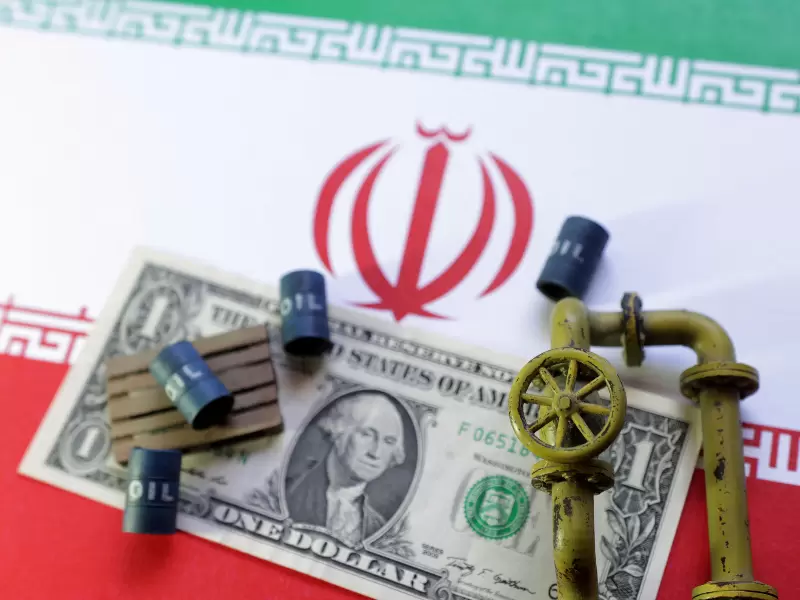 Iranian flag, a U.S dollar banknote and minatures of oil pipes and barrels are seen in this illustration taken June 23, 2025. / REUTERS/Dado Ruvic/Illustration
Oil prices fell on Feb. 5 after the U.S. and Iran agreed to hold talks in Oman on Feb. 6, easing concerns of a potential military conflict between them that could disrupt supply from the key Middle East-producing region.
Brent crude futures fell $1, or 1.4 per cent, to $68.47 per barrel at 0152 GMT. U.S. West Texas Intermediate crude prices fell 91 cents, or also 1.4 per cent, to trade at $64.23.
Oil prices surged about 3 per cent on Feb. 4 after a media report suggested the planned talks between the United States and Iran on Feb. 6 could collapse. However, later in the day officials from both sides said talks would go ahead on Feb. 6 though the topics up for discussion have not been settled.
Tony Sycamore, market analyst with IG, pointed to the uncertainty around the talks as the reason for the swings, noting the price surge on fears of their collapse but they were easing as "these fears have since moderated on reports that the nuclear talks are back on."
Iran is open to discussing its nuclear programme, including uranium enrichment, with Western countries, while the U.S. also wants to include Iran's ballistic missiles, its support for armed proxy groups around the Middle East and its treatment of its own people.
Despite the talks, there are concerns U.S. President Donald Trump will still carry out his threats to strike Iran, the fourth-largest producer among the Organization of the Petroleum Exporting Countries, potentially risking a wider confrontation in the oil-rich region.
In addition to the possible disruption of Iranian production in the event of a conflict, there are concerns exports from other Gulf producers could be affected.
ALSO READ: 25 percent U.S. tariffs over trading with Iran: What it means for India
About a fifth of the world's total oil consumption passes through the Strait of Hormuz which lies between Oman and Iran. Other OPEC members, Saudi Arabia, the United Arab Emirates, Kuwait and Iraq, export most of their crude via the strait, as well as Iran itself.
While the planned talks are reducing the recent risk premium in prices, the market was supported on Feb. 4 by data showing declines in oil inventories in the U.S., the world's biggest crude producer and consumer.
U.S. crude stocks and distillate inventories fell while gasoline inventories rose in the week ended Jan. 30 as a winter storm gripped large swathes of the country, the Energy Information Administration said on Feb. 4.
Discover more at New India Abroad.
Related








ADVERTISEMENT

ADVERTISEMENT
E Paper
Video

Comments
Start the conversation
Become a member of New India Abroad to start commenting.
Sign Up Now
Already have an account? Login