ADVERTISEMENT

ADVERTISEMENT



Jayapal flags monopoly behind rising grocery prices
The lawmaker linked grocery price inflation to monopolistic practices.
-
1759163132.png) Anushka Pathak
Anushka Pathak - Thu, 29, Jan 2026
- 14:43 EST
- 18
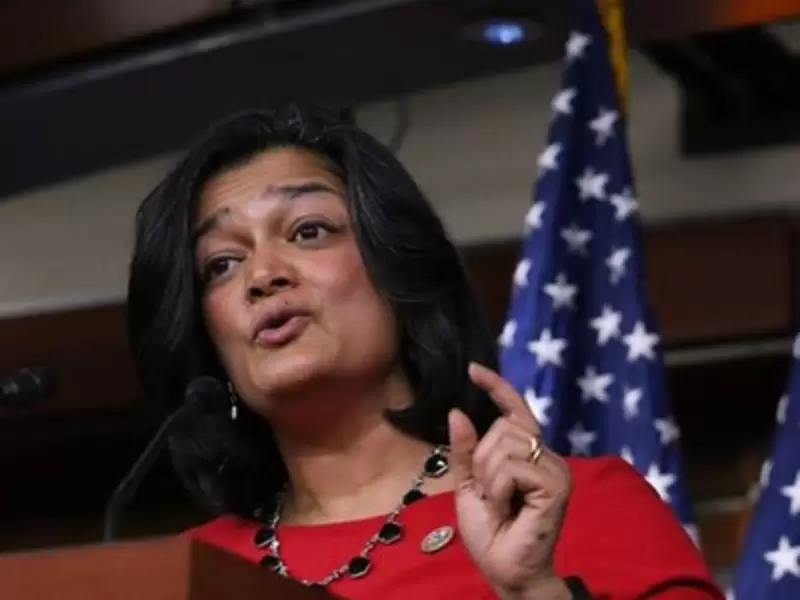 Congresswoman Pramila Jayapal / Pramila Jayapal via X
Congresswoman Pramila Jayapal said corporate concentration across the food supply chain is a major driver of rising grocery prices in the United States.
The Democrat pointed to monopolistic practices inflating consumer costs and their impact on food affordability during a field hearing she hosted on Jan. 29.
ALSO READ: Thanedar and Krishnamoorthi fume over ICE detentions
“Today, we rely on a very small group of mega-corporations that control the supply chain all the way from farm to table,” Jayapal said, adding that consolidation has reduced competition and consumer choice while allowing companies to raise prices with limited consequences.
Happening now: I’m hosting a field hearing on corporate consolidation and rising grocery prices. Food is something that should be accessible for every American.
— Rep. Pramila Jayapal (@RepJayapal) January 29, 2026
As costs continue to go up, I am working to shine a light on the root causes and hold those responsible accountable. pic.twitter.com/dfRr0eTEno
She said the impact begins at the farm level, where farmers often have few buyers for their products. Citing the beef industry, Jayapal said four companies control about 80 percent of the U.S. market, giving them significant influence over pricing and leaving farmers with limited options for selling their cattle.
Jayapal said consolidation continues in food processing and packaging, where many well-known brands are owned by a small number of parent companies. She said the appearance of choice in grocery aisles can be misleading, as consumers are often buying products from the same corporations.
“This grocery store consolidation gives the stores the ability to raise their prices and worsen working conditions without nearly any consequences to their bottom line,” she said.
From farms to grocery store shelves — monopolies are hurting the folks who grow our food, local businesses, and consumers.
— Rep. Pramila Jayapal (@RepJayapal) January 29, 2026
We can take on this corporate consolidation and lower costs for the American people. pic.twitter.com/Zfo3bMefLo
She also pointed to consolidation in food distribution, saying large wholesalers impose fees that cut into suppliers’ margins and make it harder for smaller food businesses to compete. At the retail level, Jayapal said large grocery chains have acquired smaller rivals, increasing their pricing power.
Jayapal said the hearing was aimed at identifying the root causes of food unaffordability and examining how concentrated market power affects consumers, farmers, and small businesses. She said addressing consolidation is a necessary step toward lowering grocery prices and improving access to affordable food.
Discover more at New India Abroad.
Related



.png)





ADVERTISEMENT

ADVERTISEMENT
E Paper
Video

Comments
Start the conversation
Become a member of New India Abroad to start commenting.
Sign Up Now
Already have an account? Login