ADVERTISEMENT

ADVERTISEMENT



India US ties, tariffs and migration discussed at India Abroad Dialogue
The Dialogue, attended by Indian-American leaders, stood as an exclusive forum dedicated to shaping the global Indian narrative.
-
1759953093.png) Staff Reporter
Staff Reporter - Mon, 15, Dec 2025
- 03:08 EST
- 198
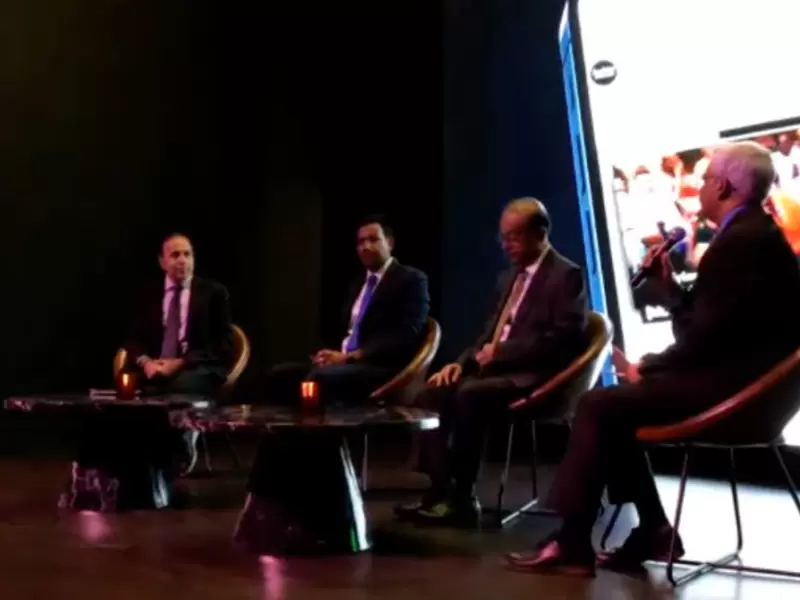 NIA Panel discussion on Indo-US ties / New Indian Abroad
US-India Strategic Partnership Forum (USISPF) Director Ankit Jain said that the current situation of the US-India relationship is like a long, boring marriage, Full of commitment but never short on drama, during a panel discussion at the India Abroad Dialogue in Chicago on Dec. 14.
The Dialogue, attended by Indian-American leaders, entrepreneurs, and changemakers, stood as an exclusive forum dedicated to shaping the global Indian narrative and amplifying the diaspora’s impact across business, politics, and community development.
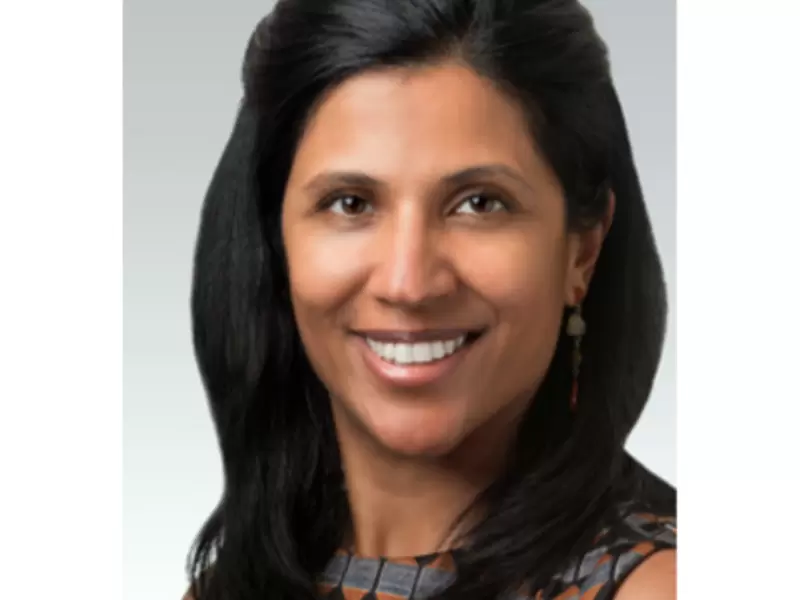
A key highlight of the event was a panel discussion moderated by India Abroad Chief Editor Lalit K Jha, featuring Congressman Raja Krishnamoorthi alongside USISPF Director Ankit Jain and community leader Bharat Barai.
ALSO READ: Indian American community leader calls for tariff reversal to bolster India–US relations
The discussion centered around Indo-US ties, diaspora issues, geopolitics, trade, and media narratives. Rep. Krishnamoorthi kicked off the discussion with a sharp criticism of the Trump administration's tariff policy. He described the 50 percent tariffs imposed on India as "cold and frigid". He added that the current conditions are in stark contrast to the warm ties that the countries should share.
The Congressman also talked about the legislative measures he is currently pursuing in this regard. He also talked about his legislative push for doubling H-1B visas and the need to upskill the domestic workforce.
He added, "If you don't upskill your workforce and onshore the talent, you will offshore the jobs. And so it's better for us to onshore the talent and make sure the jobs are done here."
Another point of concern addressed during the discussion was the threat that China poses to India and to the United States. Rep. Krishnamoorthi noted that China employs a standard economic strategy by stealing intellectual property, overproducing subsidized goods via state enterprises, and exporting them at below-market prices to eliminate competitors and achieve market monopolies.
He added, once dominant, China raises prices and weaponizes these monopolies for economic and political coercion, posing a triple threat alongside military and technological advancements.
Dr. Barai noted that accountability of Congressmen like Rep. Krishnamoorthi extends to their entire constituencies and the country, and not just to specific communities. In light of this observation, he raised concerns about bigotry and hate towards immigrants from Senators, Congressmen and other political leaders.
Responding to this, Rep. Krishnamoorthi said, "legal immigration has been the golden goose that lays the golden eggs for this country."
He noted that if it were not for immigration, he or his family would not have been in the country and neither would have Dr. Barai or many of the attendees of the summit. He highlighted the need to reject bigotry and prejudice, in order to create a that has peace, stability and excels economically.
The conversation shifted to trade and Ankit Jain highlighted the impact of tariffs on Indian businesses.
He said, "Indian businesses are hurt, small and medium industries in particular.
He added, "there is inflation, you know, as he was mentioning, is going up because of the tariff. So we need to scale down even our frame and bring the relationship back on track."
Related

.JPG)


ADVERTISEMENT

ADVERTISEMENT
E Paper
Video

Comments
Start the conversation
Become a member of New India Abroad to start commenting.
Sign Up Now
Already have an account? Login