ADVERTISEMENT

ADVERTISEMENT



Giving as cultural expression: Why giving back is a cultural practice in the Indian diaspora
Over time, as the diaspora has grown and diversified, so too has the very definition of giving. What once centered on immediate humanitarian relief or familial obligation has evolved into a focus on systems strengthening and the long-term sustainability of solutions.
-
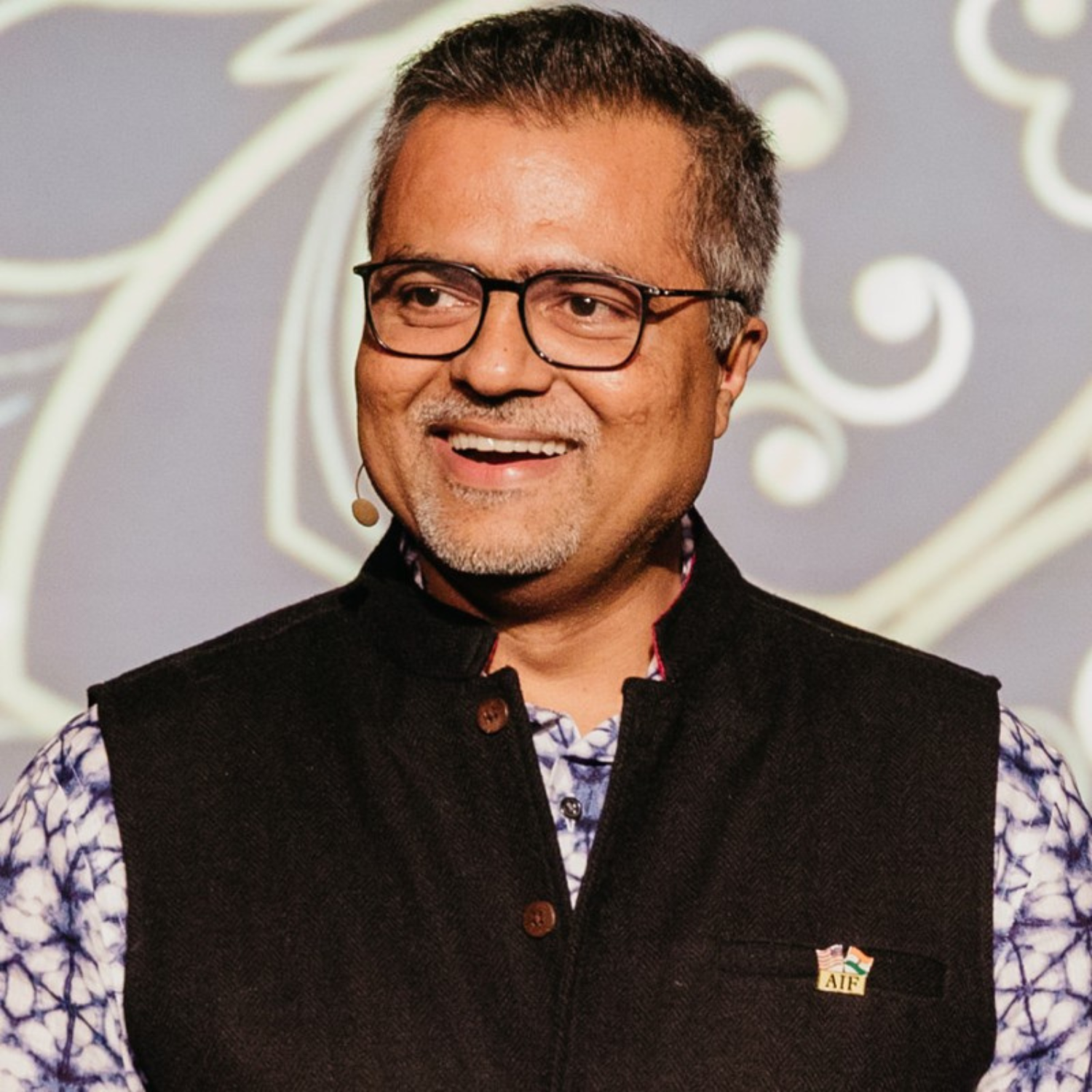 Nishant Pandey
 - Sat, 21, Feb 2026
- 17:14 EST
- 19
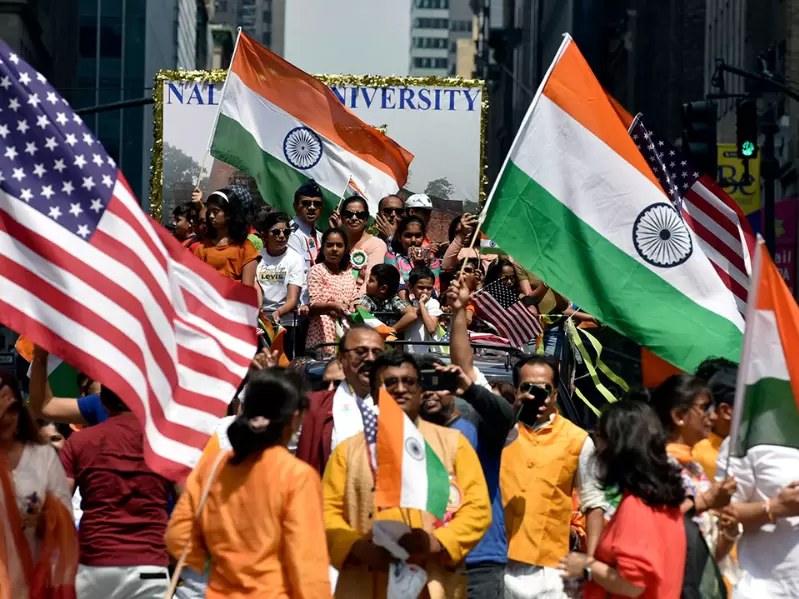
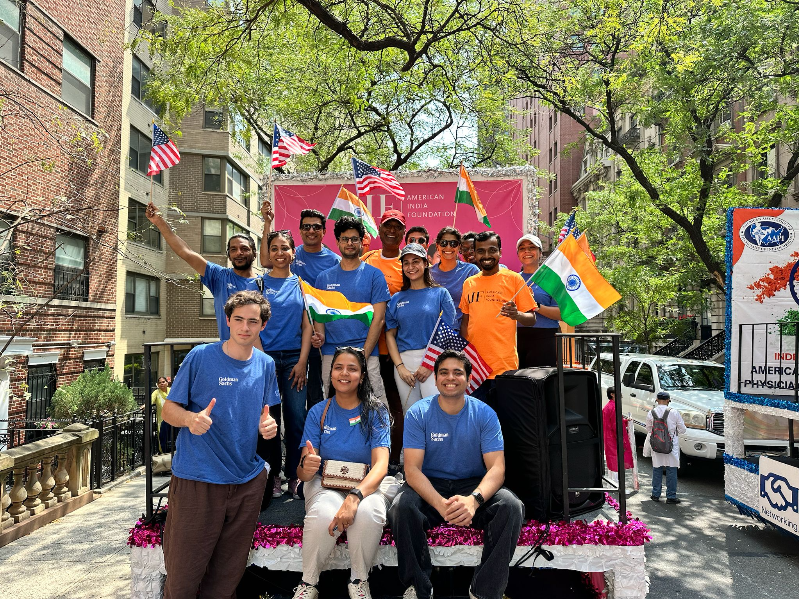 AIF board, staff and Goldman Sachs partner volunteers at the 2025 India Day Parade. / Courtesy: Handout
For many of us in the Indian diaspora, giving back is no singular act. Neither is it an abstract; it’s recurring and relational.
For first-generation immigrants, this has looked like supporting extended family, contributing to village schools, and/or responding collectively to moments of crisis. The American India Foundation (AIF) itself was born from such a collective action of the diaspora, after the devastation of the Gujarat earthquake in 2001. Among all these varied gestures, they are less labeled “philanthropy” and more a profound sense of duty. An expression of what it means to belong to India.
In that way, giving becomes an expression of culture and identity, serving as a practice. Whether through daan, seva, Sadqah, or other quiet acts of care within families and communities, giving is a timeless act–a shared responsibility rather than a personal virtue. And while AIF has a secular and nonpartisan mission to empower the most underserved communities across India, many of our supporters over the past two decades have described their giving as a ‘sacred act’.
There is a socio-historical context from which this feeling arises.
Also Read: Beyond Dollars: Indian Americans lead in non-monetary giving
Long before we had language for philanthropy, there were rituals, flavors, and values that connected us to India, and to each other. In the physical and even spiritual distance that being in diaspora inevitably creates, we are left to discover new ways of connecting. As we forge our paths in our new homes, we embrace a sense of belonging to our roots that transcends time and place and yet, demands our presence and responsibility.
Over time, as the diaspora has grown and diversified, so too has the very definition of giving. What once centered on immediate humanitarian relief or familial obligation has evolved into a focus on systems strengthening and the long-term sustainability of solutions. It, too, has evolved to have both local and global goalposts for our donors.
AIF has seen this across its core pillars: Education has shifted from building brick-and-mortar schools to improving students' learning outcomes within and beyond their walls. Healthcare is not just about clinics, but about strengthening the public systems that run them. And livelihoods are no longer addressed through short-term aid, but as pathways to economic agency.
We are witnessing an evolution of consciousness around philanthropy and social impact, one that blends tradition with global complexity and resilience.
One of the most dynamic shifts I have watched in my role as AIF’s CEO, and as a father myself, has been in younger Indian Americans. Raised at the intersection of cultures, young people are rapidly redefining the notion of seva, or service. They are shifting from a decades-old charity model into a changemaker framework.
The latter demands that philanthropic impact be met with values and voice, where change is not transactional but visionary and collaborative. They ask the discerning questions: Who is at the table? Who defines success? How does power shift within and by philanthropy?
For them, giving cannot be separated from one’s purpose, sense of justice, and even identity. AIF's next generation of donors, its Banyan Impact Fellows, Young Professionals’ leaders, and Youth Ambassadors all bring such innovative energy to philanthropy. Together, they challenge inherited models in ways that inspire bridges between local and international efforts, greater accountability, and lasting change.
This next generation of changemakers is also far less bound by geography. They are comfortable with “community” being defined both locally and abroad. Community is shaped by technology, networks, and shared causes rather than by borders. As a result, giving back demands collaboration and transparency.
While they inherit the philanthropic charge of past generations, these global citizens are not interested in replicating what worked yesterday. With the rise of AI, they want to co-create for the needs of now and future generations.
For 25 years, AIF has been an agent, recipient, and trusted partner as the largest diaspora-led collective philanthropic platform in the US-India corridor. Philanthropic power lies in our leverage, and AIF’s relationships with corporate and civic partners alike enable us to maximize our impact.
As we look ahead to the next quarter-century, the Indian diaspora’s communal giving will further define itself as values-driven and interconnected. We can expect philanthropy that centers lived experiences, elevates grassroots leadership, and measures success not only by scale but also by sustainability and resilience.
The act of giving often surprises us with just how much we receive in return. Philanthropy, at its finest, is visionary strategy. Giving creates a topography from which we can more intentionally move people and capital.
We look inward to be led by our values, backward to define where we have been, forward to envision where we are going, and outward to determine who will help us get there. As an expression of culture, I have never felt more proud to be a member of the Indian diaspora, more positive about its prospects and partners, and more hopeful for the future we can create.
The writer is the New York-based CEO of the American India Foundation.
(The views and opinions expressed in this article are those of the author and do not necessarily reflect the official policy or position of India Abroad)
Related




ADVERTISEMENT

ADVERTISEMENT
E Paper
Video

Comments
Start the conversation
Become a member of New India Abroad to start commenting.
Sign Up Now
Already have an account? Login