ADVERTISEMENT
ADVERTISEMENT



Beyond the Mat: Rediscovering the True Essence of Yoga
The wisdom of yoga reminds us that true well-being involves more than physical health alone.
-
 Ritu Chopra
 - Sun, 21, Jun 2026
- 00:00 EDT
- 32
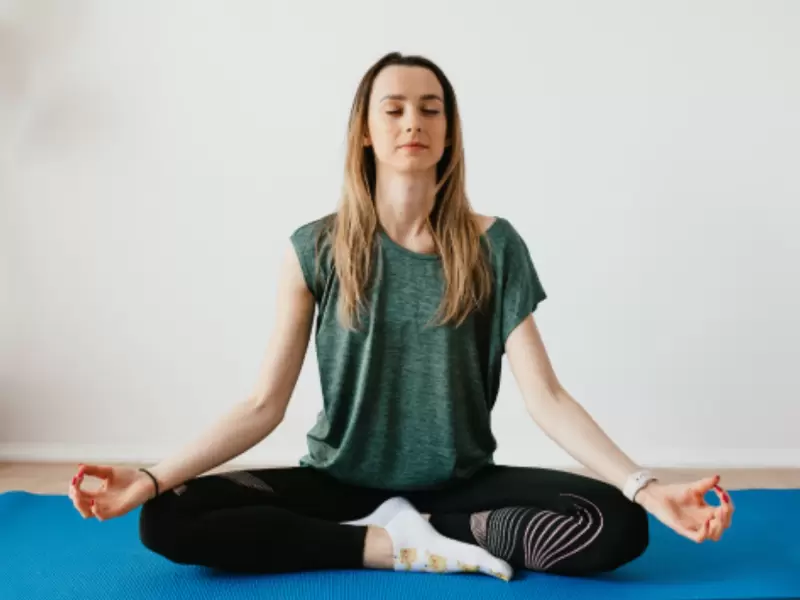
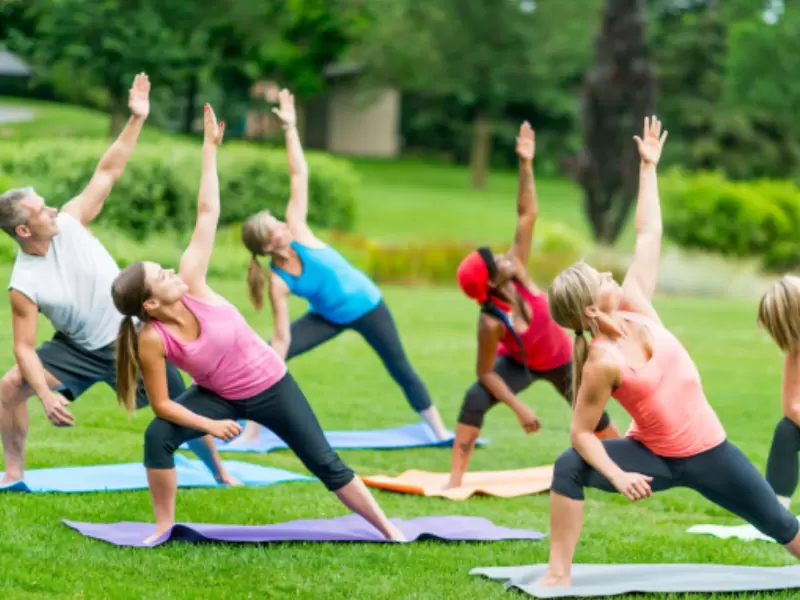 Representative image / Pexels
Each year, International Yoga Day invites millions of people around the world to roll out a mat, stretch, and practice a discipline that has become a global wellness phenomenon. In parks, studios, corporate offices, schools, and homes, yoga has found a place in modern life unlike any other ancient tradition.
But what exactly is yoga, and why has it endured for thousands of years?
For many in the Western world, yoga is often viewed as a form of exercise—a series of body postures designed to improve flexibility, strength, balance, and physical well-being. This perspective is understandable. Modern yoga classes frequently emphasize movement, breathing techniques, and fitness benefits. Scientific research continues to support yoga's positive effects on stress reduction, cardiovascular health, mobility, sleep quality, and emotional resilience.
In a world marked by constant connectivity, information overload, and rising levels of anxiety, yoga offers something many people desperately seek: a way to slow down, reconnect, and restore balance.
Yet yoga's story began long before wellness apps, athletic apparel, and social media influencers.
The origins of yoga go back thousands of years to ancient India. The sages and Rishis who developed these teachings were not seeking six-pack abs or improved athletic performance. Their purpose was far deeper. Yoga was designed as a pathway toward self-realization, inner harmony, and expanded awareness.
The word "yoga" itself comes from the Sanskrit root yuj, meaning "to unite" or "to yoke." At its heart, yoga was intended to unite body, mind, and spirit. It was a holistic system for understanding the nature of human existence and cultivating a life of greater clarity, wisdom, and peace.
Ancient yogic texts such as the Yoga Sutras of Patanjali describe yoga not merely as physical postures but as a comprehensive framework for ethical living, self-discipline, meditation, concentration, and spiritual growth. The physical postures, known as asanas, were only one component of a much larger journey inward.
Over time, as yoga spread across cultures and continents, it evolved to meet the needs of different societies. This adaptation helped introduce yoga to millions who might otherwise never have encountered it. Today, yoga has become a multibillion-dollar global industry encompassing classes, retreats, clothing, equipment, certifications, apps, and wellness products.
While commercialization has expanded accessibility, it has also created a tendency to view yoga primarily through the lens of fitness, appearance, or lifestyle branding. In some cases, the deeper philosophical and contemplative dimensions have been overshadowed by the marketplace.
Then: Ancient Rishis seeking inner liberation.
Now: A global marketplace selling products associated with yoga.
“Commercial success is not inherently wrong. The question is whether we stop at the mat, or continue the journey the sages intended
Yet this does not diminish yoga's value. Rather, it presents an opportunity. Ancient Rishis viewed yoga as a path toward self-understanding and inner liberation.
Modern society often encounters yoga as a path toward fitness, flexibility, and wellness.
Perhaps both have value. The opportunity lies in recognizing that one may be the beginning of the journey, while the other reveals its deeper purpose.
The growing popularity of yoga may serve as a doorway. Many individuals first come to yoga seeking physical health but discover along the way that something more profound is available. They begin to notice greater self-awareness, emotional balance, mindfulness, compassion, and a deeper sense of connection to themselves and others.
In this sense, yoga remains as relevant today as it was thousands of years ago.
The modern world offers unprecedented technological advancement, yet many people still struggle with stress, distraction, loneliness, and a sense of disconnection. The wisdom of yoga reminds us that true well-being involves more than physical health alone. It invites us to cultivate inner stillness amid external noise and to develop a more.
(The views and opinions expressed in this article are those of the author and do not necessarily reflect the official policy or position of New India Abroad.)
Discover more at New India Abroad.
Related




ADVERTISEMENT

ADVERTISEMENT
E Paper
Video

Comments
Start the conversation
Become a member of New India Abroad to start commenting.
Sign Up Now
Already have an account? Login