ADVERTISEMENT
ADVERTISEMENT



The forgotten purpose of Yoga: Becoming whole
The forgotten purpose of yoga is to help us become fully human—aligned within ourselves, connected with one another, and deeply at home in the larger reality that sustains us all.
-
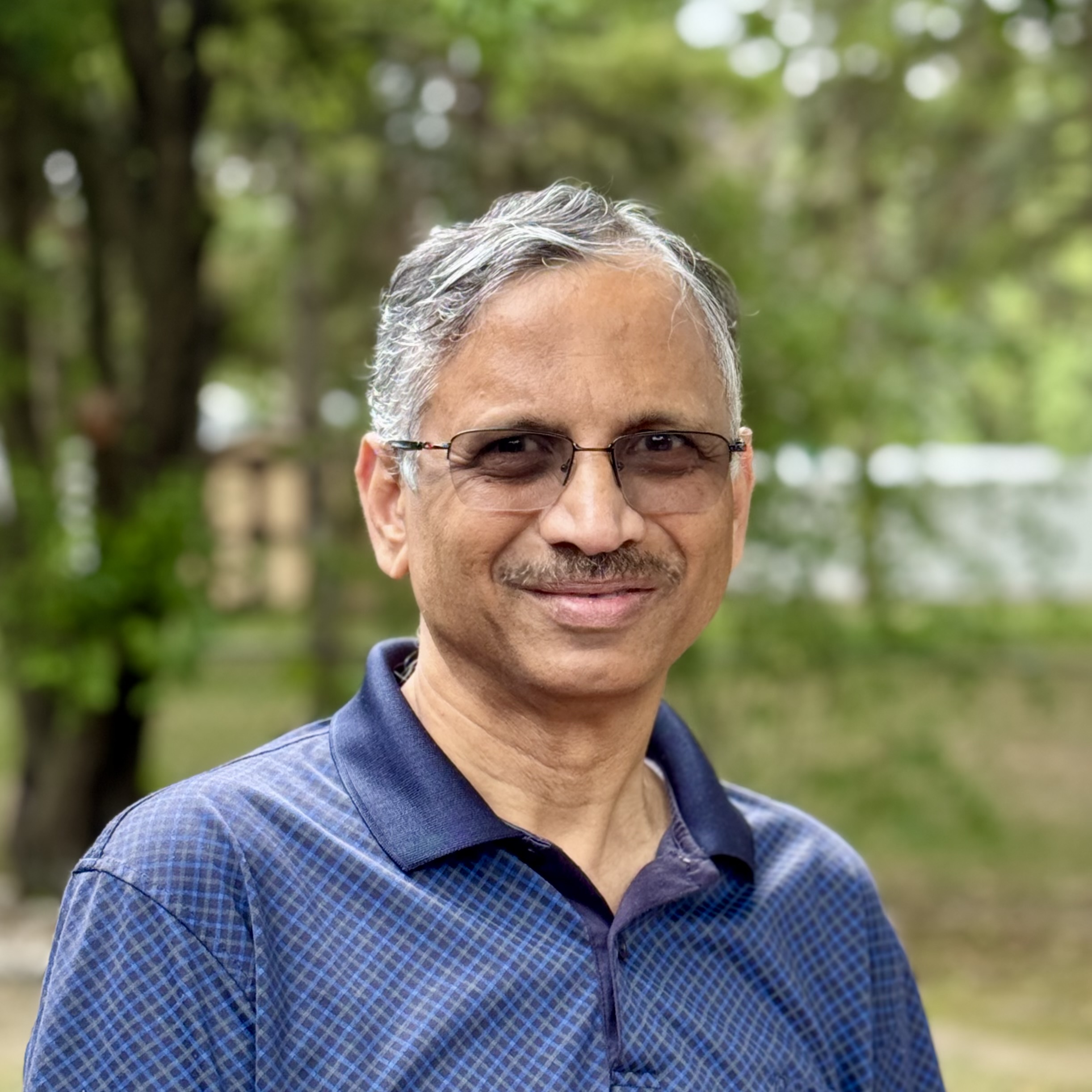 Prasad Kaipa
 - Sun, 21, Jun 2026
- 00:59 EDT
- 33
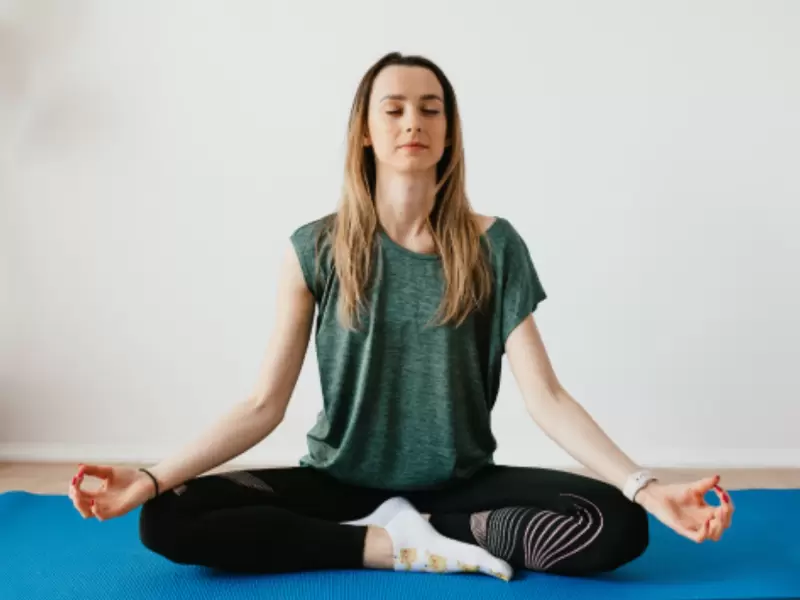
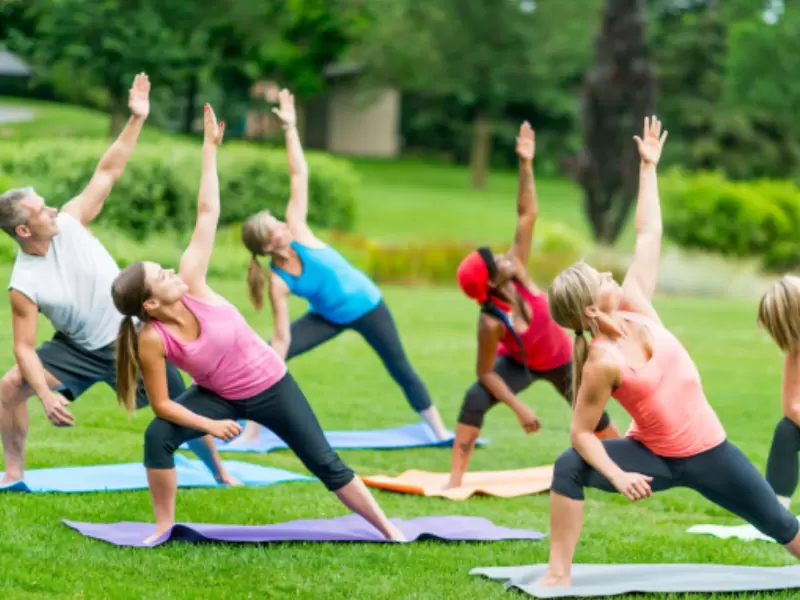
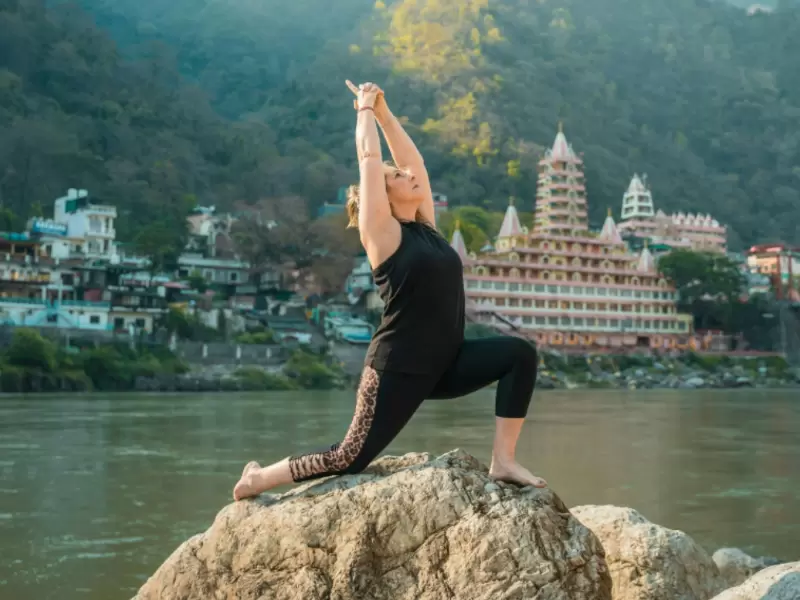 Representative image / Pexels
Yoga has become one of India’s greatest gifts to the world. Tens of millions of people—perhaps hundreds of millions by now—practice it in one form or another. Many traditions have embraced it so completely that they almost claim it as their own. Every fitness center seems to have yoga classes. Doctors recommend it. Scientists study it. It is celebrated for improving flexibility, balance, sleep, stress, blood pressure, and emotional well-being.
These are genuine benefits and deserve celebration.
But I sometimes wonder whether we are only scratching the surface of what yoga was originally meant to offer.
The sages who developed yoga were not simply searching for stronger bodies or longer lives. They were wrestling with a much deeper question: Why do human beings continue to suffer even when they possess everything they thought they wanted? Why do we remain restless amid abundance, lonely amid relationships, anxious amid success, and divided within ourselves?
Also read: World Bank hosts Yoga day event in Washington
Their answer was not another philosophy. It was a way of living.
The more I reflect on yoga, the less I see it as a collection of techniques and the more I see it as a gradual removal of the distances we create—between body and mind, thought and action, intention and behavior, self and other, and ultimately between ourselves and the larger reality of which we are already a part. The Sanskrit root yuj means “to join.” Perhaps yoga is simply the lifelong practice of joining what ignorance has separated.
If I had to summarize that journey in one word, it would be alignment. Modern life excels at specialization but often leaves us internally divided. We develop our intellect while neglecting our emotions. We pursue achievement while sacrificing relationships. We fill our calendars while emptying ourselves. Yoga quietly invites another possibility. It asks whether body, mind, emotion, values, and action can move in the same direction. It asks whether our head, our heart, and our hands can become one.
This understanding did not come from reading texts. It came from practice.
Like thousands of others, I attended yoga classes at my local gym at one time or another. On some days I simply followed the instructor from one posture to another. It felt good, much like any other form of exercise. But I have noticed that something changes when I consciously bring my breath into the posture. When I stay in an āsana and breathe into the muscles that are stretching and the joints that are opening, my attention shifts from performing the posture to inhabiting it. The body is still moving, but awareness has entered the movement. I become aware not only of my limbs but also of my impatience, my resistance, my habits, and my mind.
The same posture becomes something entirely different. That is what I found when I attended sessions conducted by Yoga Bharati or other yoga teachers who are not as well known but who live yoga rather than just teaching yoga.
I have noticed something similar while practicing Sūrya Namaskāra. When I silently chant the traditional mantra before each movement, the sequence acquires another dimension. The body still moves through familiar motions, but intention begins to accompany movement. The practice becomes quieter, deeper, and somehow more alive. And if I am in a group that is collectively chanting and breathing together while doing the same sun salutations, the impact is much larger. Somehow, collective multiplies my effort, my intention and focuses my attention.
The same posture can be stretching, fitness, therapy, prayer, meditation, or self-discovery depending on the quality of attention we bring to it. Breath changes movement. Intention changes breath. Awareness changes the practitioner. I have come to suspect that yoga is less about what we do than about how completely we are present while doing it.
There is so much more about yoga that has been forgotten than remembered.
It surprises many people to learn that among the nearly two hundred Yoga Sūtras attributed to Patañjali, only one aphorism explicitly defines āsana: sthira sukham āsanam—a posture that is steady and easeful. The architecture of yoga begins elsewhere. It begins not with stretching but with character; not with movement but with relationship; not with performance but with integrity.
The first steps are Yama and Niyama. They are commitments rather than exercises. They shape how I relate to the world and how I relate to myself. Truthfulness, nonviolence, moderation, contentment, self-study, discipline, gratitude—these are not optional moral additions to yoga but its foundation.
Before yoga asks whether I can stand on one leg, it asks whether I can stand by my word. Before asking whether my spine is flexible, it quietly asks whether my ego is flexible. Before teaching concentration, it asks whether my life rests on integrity. Yoga begins not with movement but with relationship—with the world, with myself, and eventually with all of life.
By the time I step onto the mat, yoga has already begun.
The practices that follow—āsana, prāṇāyāma, pratyāhāra, dhāraṇā, and dhyāna—are not isolated techniques but successive refinements of awareness. Breath deepens attention. Attention gradually turns inward. Concentration becomes steadier. Meditation becomes more natural. Somewhere along that journey, yoga stops being something we practice for an hour each day and becomes the way we inhabit our lives.
Today mindfulness is often understood as paying attention to the present moment. Yoga seems to ask something even deeper. Can awareness accompany the whole of life? Can I remain present not only while meditating but while listening, working, grieving, serving, loving, and letting go? Mindfulness ceases to be a technique and gradually becomes a way of being.
Yoga begins with the individual but does not end there. It gradually enlarges the circle of identity—from body to mind, from self to family, from family to society, from society to nature, until separation itself begins to soften. The journey of yoga is ultimately a journey from isolation to participation.
Modern society optimizes for achievement. Schools reward performance. Organizations reward productivity. Markets reward competition. Yoga asks a different question: Who are you becoming through all this striving?
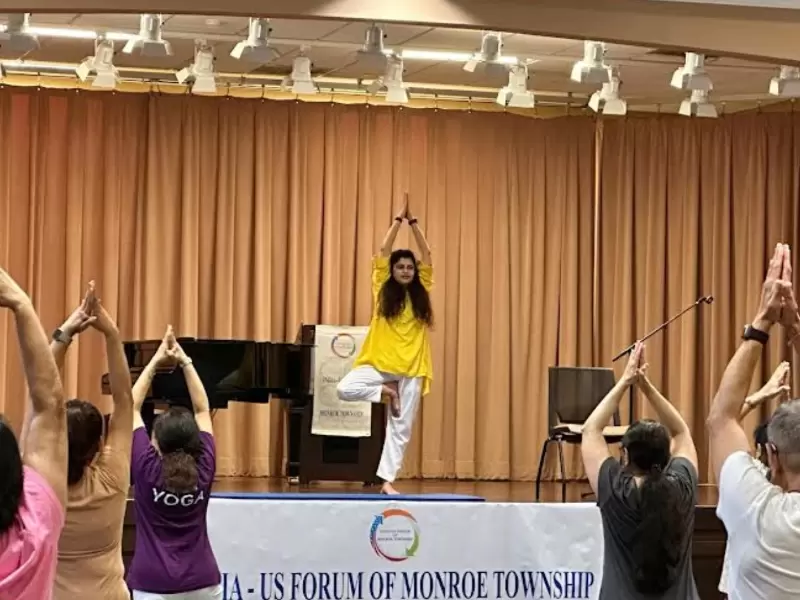
It invites us to align what we do with who we are. It reminds us that flexibility is needed not only in our muscles but also in our ideas, our identities, and our certainties. Balance is required not only in Vṛkṣāsana (Tree pose) but also in our relationships. Authenticity arises when thought, word, and action no longer pull in different directions. The real posture of yoga may not be the one we hold on the mat but the one we bring to life itself.
Every civilization has its defining challenge. Ours may well be the fragmentation of attention. Never before have human beings been surrounded by so much information and yet found it so difficult to give undivided attention to another person, a piece of music, a prayer, or even their own breath. Long before neuroscience and mindfulness research gave us a vocabulary for attention, yoga was cultivating it as a way of life.
Looking back, I realize that yoga has accompanied me through very different stages of life. In youth it was discipline. In middle age it became energy and resilience. Now, entering my seventies, it feels more like companionship. It reminds me to return to myself, to breathe before reacting, to listen more deeply, and to remember that wisdom is less about accumulating experiences than about allowing life to become internally coherent.
At seventy, yoga is less about touching my toes than about touching my own center. I have become less interested in how long I can hold a posture and more interested in whether I can remain present when someone disagrees with me, listen without preparing my response, or let go when circumstances refuse to cooperate. Those, too, seem to be yogic practices.
As artificial intelligence grows more capable, information will become increasingly abundant. Discernment may become increasingly scarce. Machines may outperform us in processing data, but they cannot decide what is worth loving, serving, or sacrificing for. Yoga was never designed to make us smarter. It was designed to make us clearer. Perhaps that is one of India’s deepest gifts to an AI age.
Perhaps the real purpose of yoga was never to help us stand on our heads. It was to help us stand firmly in ourselves, in our relationships, and in the larger web of life of which we are already a part. The flexibility it seeks is not merely of the spine but of the ego. The balance it cultivates is not merely in the body but in the way we meet joy and sorrow, success and failure, self and other.
The forgotten purpose of yoga is not simply to make us healthier or calmer. It is to help us become fully human—aligned within ourselves, connected with one another, and deeply at home in the larger reality that sustains us all.
Prasad Kaipa, Ph. D. is one of the board members of Yoga Bharati and co-founder of Institute of Indic Wisdom.
(The views and opinions expressed in this article are those of the author and do not necessarily reflect the official policy or position of New India Abroad.)
Discover more at New India Abroad
Related


ADVERTISEMENT

ADVERTISEMENT
E Paper
Video

Comments
Start the conversation
Become a member of New India Abroad to start commenting.
Sign Up Now
Already have an account? Login