ADVERTISEMENT

ADVERTISEMENT



Why India’s economic reset needs internal emotional excellence
Internal Emotional Excellence is not a "soft" concept; it is a measurable state of being.
-
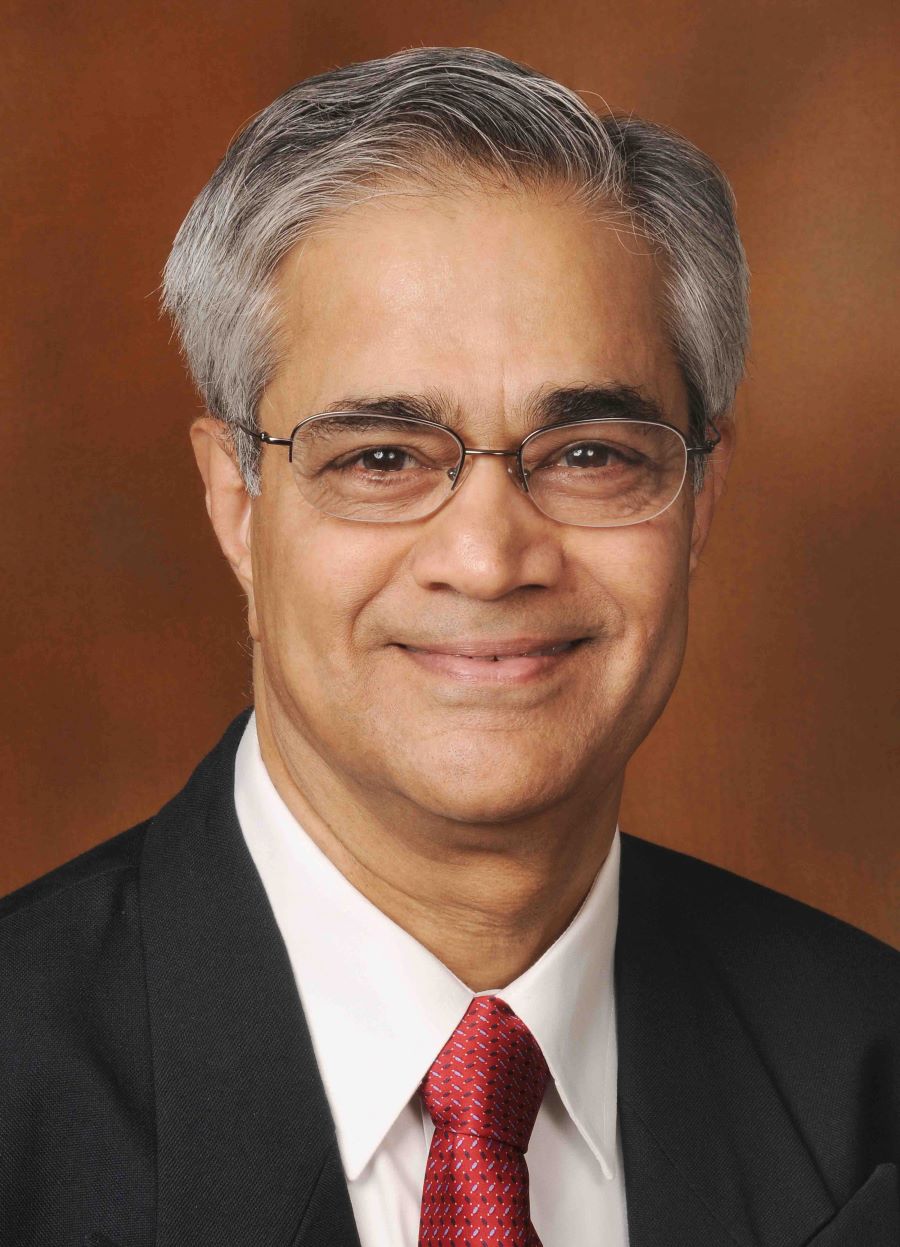 Pradeep B. Deshpande
 - Fri, 02, Jan 2026
- 08:31 EST
- 22
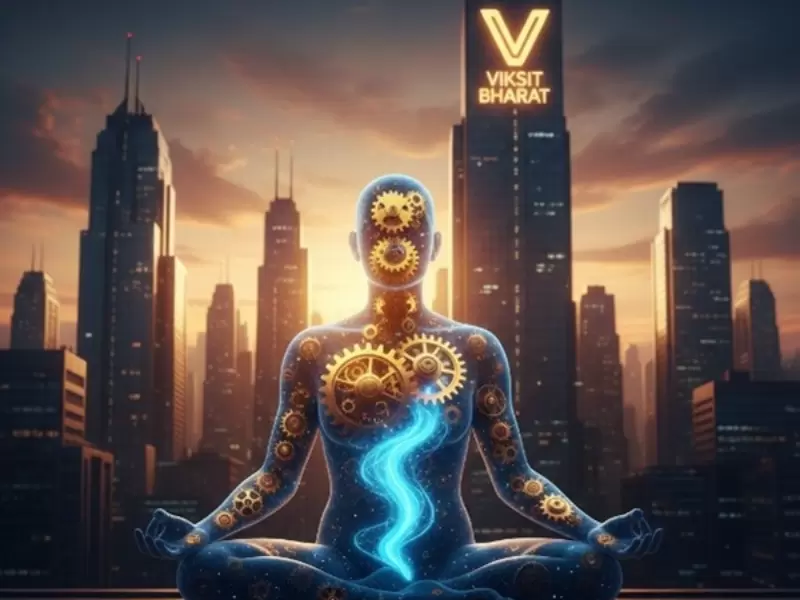 Representative Image / Generated using AI
The "Big Bang" economic reforms recently unveiled by the Government of India—spanning a radical Income Tax reset, GST 2.0, the 100% FDI insurance opening, and the ambitious VB-G RAM G initiative—mark a historic pivot toward a "Viksit Bharat" (Developed India). By aggressively cutting red tape, simplifying the tax statute for the first time since 1961, and modernizing labor codes, the government has built a formidable structural engine for growth.
However, as robust as these external frameworks are, they remain fundamentally insufficient to achieve the desired results of exemplary performance, creativity, and national well-being on their own. To truly unlock the potential of 1.4 billion people, India must pair these External Excellence measures with a national program for Internal Emotional Excellence.
The Limitation of External Reforms
Economic reforms are essentially changes to the "hardware" of the nation. They provide the infrastructure, the rules of engagement, and the incentives for commerce. But the "software"—the human mindset that operates within these systems—determines the actual output.
History and management science show that even the most advanced systems, such as Six Sigma or Lean Manufacturing, fail to deliver exemplary performance in the absence of an adequate level of emotional excellence. When the internal state of the workforce is dominated by negative emotions—anger, hostility, ego, or fear—no amount of tax relief or labor flexibility can prevent the friction of discord or the stagnation of low productivity.
The Science of Internal Excellence
Internal Emotional Excellence is not a "soft" concept; it is a measurable state of being. Human beings are endowed with three components of the mindset (the S, R, and T components identified in the Bhagavad Gita).
-
S (Sattva): Truthfulness, equanimity, and honesty.
-
R (Rajas): Ambition, ego, and greed.
-
T (Tamas): Delusion, sloth, and injury.
A nation’s "Internal Excellence" is the aggregate of these components across its citizenry. High levels of the S component correlate directly with positive emotions like empathy and compassion, which are the bedrock of collaborative creativity and innovativeness. Conversely, a preponderance of R and T leads to the very discord and violence that drain a nation’s wealth and health.
The Missing Piece
If India adopts a national program to enhance Internal Emotional Excellence, the impact on the current reform agenda would be transformative across four key pillars:
-
Exemplary Performance & The Economy: The "Big Bang" reforms aim to make India a global manufacturing hub. However, global competitiveness requires "minimum variance" and "zero defects." As seen in the case of Mumbai’s Dabbawalas, their world-renowned Six Sigma accuracy is not just a result of a process, but of their high internal excellence and devotion. When workers operate from a state of emotional balance, productivity "zooms," and the "Ease of Doing Business" becomes a lived reality rather than just a policy goal.
-
Creativity and Innovativeness: Innovation cannot be legislated; it must be felt. A mind clouded by the stress of competition (excessive Rajas) or the fear of failure cannot access the "flow state" necessary for breakthrough creativity. By raising the national level of emotional excellence, India will cultivate a generation of entrepreneurs who lead with vision rather than just a desire for profit.
-
Health and Wellness: The economic burden of lifestyle diseases and mental health struggles is a silent tax on the Indian economy. Internal excellence has a direct, auditable link to health. A citizenry that can remain centered in the face of external stressors requires fewer healthcare interventions and remains in the workforce longer, contributing to a higher "Human Capital" value.
-
Less Discord and Violence: Economic growth often brings social friction. For reforms like the new labor codes or the transition from MGNREGA to VB-G RAM G to succeed, there must be a high level of social trust. Internal excellence reduces the "negative vibrations" that lead to conflict, ensuring that the fruits of the 2025 reforms are not lost to civil unrest or industrial disputes.
National Transformation
The Government of India has shown "strong willpower for reforms." It has cleared the path. Now, it must empower the traveler.
A National Program for Internal Emotional Excellence—integrating scientific spirituality, yoga (in its true sense of "connection"), and emotional intelligence into education and corporate governance—would be the ultimate "force multiplier." It would transform the Indian workforce from a collection of individuals following new rules into a cohesive, high-performance engine of progress.
India has always been a pioneer of internal wisdom. By bringing this ancient knowledge into a modern, scientific framework, the nation will not only achieve the targets of the 2025 reforms but will surpass them. We will get all that is sought—economic prosperity and global leadership—and then some: a society defined by peace, health, and a collective brilliance that the world has never seen.
The external "Big Bang" is here. It is time for the internal revolution.
The author is Professor Emeritus and former Chairman of the Chemical Engineering Department at the University of Louisville. He is also president of Six Sigma and Advanced Controls based in Louisville, Kentucky.
(The views and opinions expressed in this article are those of the author and do not necessarily reflect the official policy or position of New India Abroad.)
Related










ADVERTISEMENT
ADVERTISEMENT
E Paper
Video

Comments
Start the conversation
Become a member of New India Abroad to start commenting.
Sign Up Now
Already have an account? Login