ADVERTISEMENT

ADVERTISEMENT



Trump clears Russia sanctions bill affecting India
The legislation, written by Graham and Democratic Sen. Richard Blumenthal, authorizes tariffs and secondary sanctions of up to 500% on countries that purchase Russian oil.
-
 Pranavi Sharma
 - Thu, 08, Jan 2026
- 03:46 EST
- 178
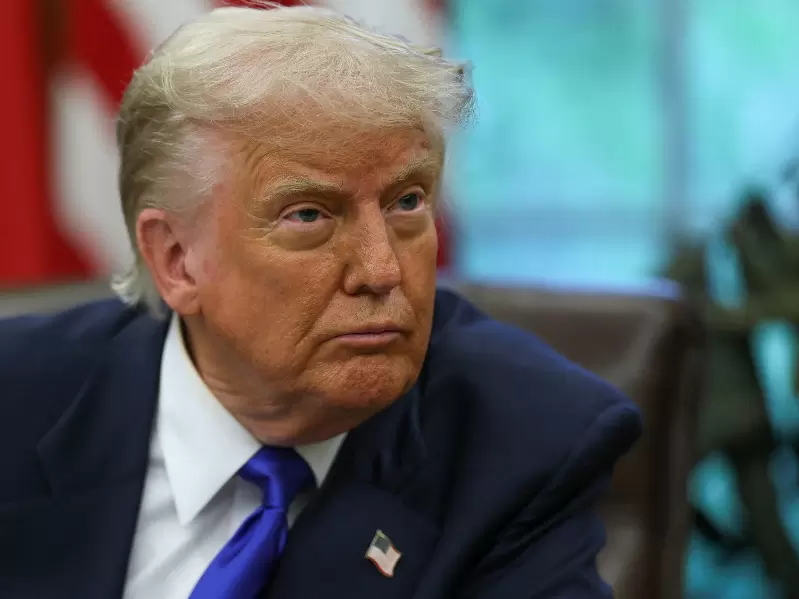
 President Donald Trump. / Facebook @ Donald J. Trump
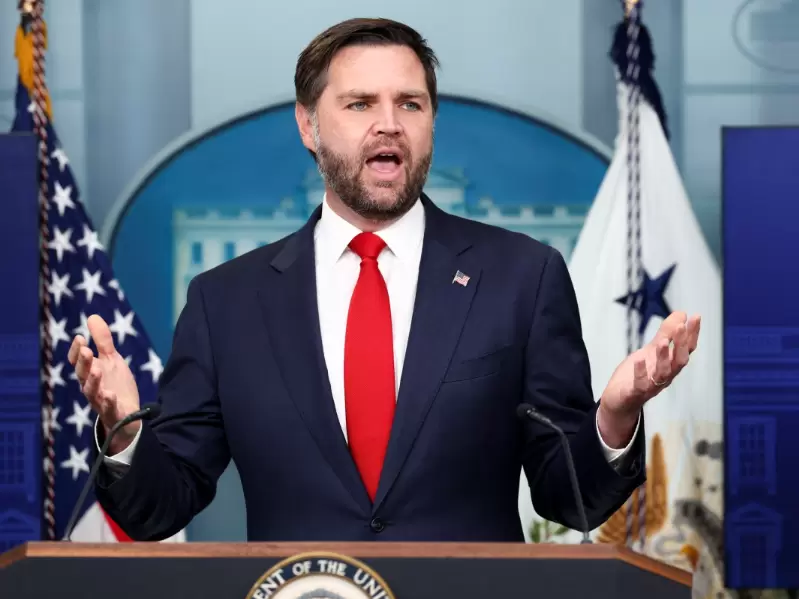
President Donald Trump has greenlit a bipartisan Russia sanctions bill that could penalize countries including India over purchases of Russian oil, according to Republican Sen. Lindsey Graham.
Graham said the legislation would allow the U.S. president to impose tariffs of up to 500% on nations that knowingly buy Russian oil or uranium and, in his words, “fuel Russian President Vladimir Putin’s war machine.” The bill could affect India, China and Brazil, among others.
Graham said he met Trump at the White House on Jan. 7, when the president expressed support for the measure, which has been under development for months.
ALSO READ: Trump defends tariffs as national security tool
“This will be well-timed, as Ukraine is making concessions for peace and Putin is all talk, continuing to kill the innocent,” Graham said in a statement.
Graham said the Senate could vote on the bill as early as next week, though its prospects remain uncertain. The Senate is expected to take up a scaled-back government funding package next week, followed by a recess timed to Martin Luther King Jr. Day.
The legislation, written by Graham and Democratic Sen. Richard Blumenthal, authorizes tariffs and secondary sanctions of up to 500% on countries that purchase Russian oil, gas, uranium and other exports. The intent is to cut off financing for Russia’s military actions.
The White House has previously sought revisions to preserve flexibility for Trump, though it is unclear whether changes were made. The bill has dozens of Senate co-sponsors and a companion measure in the House drafted by Rep. Brian Fitzpatrick.
The Trump administration is negotiating to end the war in Ukraine, with special envoy Steve Witkoff and Jared Kushner serving as lead negotiators.
Related

ADVERTISEMENT
ADVERTISEMENT
E Paper
Video

Comments
Start the conversation
Become a member of New India Abroad to start commenting.
Sign Up Now
Already have an account? Login