ADVERTISEMENT

ADVERTISEMENT



Minnesota’s Hinduphobia Resolution highlights the paradox of Hindu American success
A new challenge has emerged: the growing presence of negative narratives surrounding Hindu identity.
-
 Dr. Vinay Nalwa
 - Fri, 13, Mar 2026
- 02:52 EDT
- 24
 Representative Image / Pew
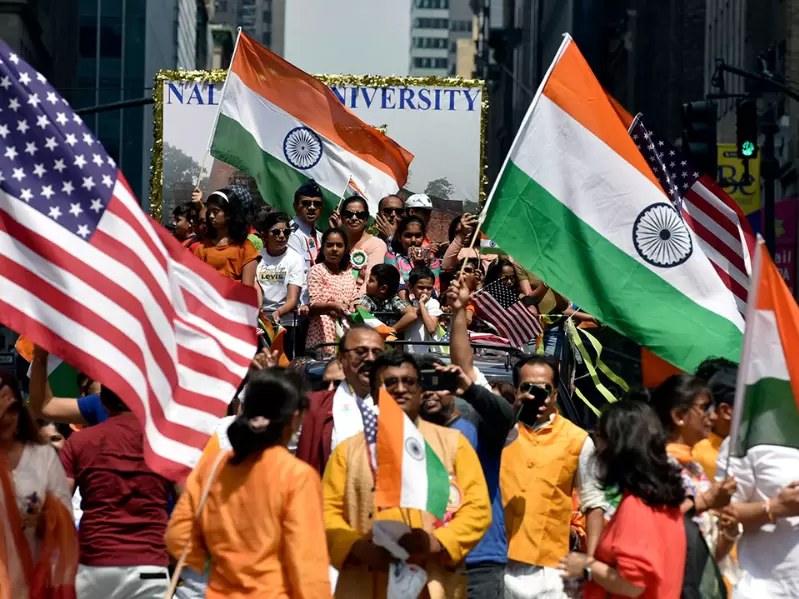
A new legislative initiative in Minnesota has brought the issue of Hinduphobia into the American policy conversation. Lawmakers in the Minnesota Senate recently introduced a resolution condemning Hinduphobia and anti-Hindu discrimination while also recognizing the contributions of Hindu Americans to the social, economic, and cultural life of the United States. The measure calls for greater awareness of prejudice against Hindus and stronger action against religious discrimination.
The resolution highlights a striking paradox: a community widely recognized for its educational achievement, professional success, and civic engagement is also reporting growing misrepresentation and hostility in certain academic, media, and digital spaces.
Yet this success story emerged from a far more hostile past. Early Indian migrants were dismissed as “Hindoos” and denied citizenship in the landmark Supreme Court decision United States v. Bhagat Singh Thind (1923). After the passage of the Immigration and Nationality Act of 1965, Indian Americans, many of them Hindu, rose to become one of the most educated and professionally accomplished communities in the country. Yet despite their deep contributions to American science, technology, medicine, and public life, the persistence of Hinduphobia reveals a continuing paradox in the experience of this remarkably integrated immigrant community.
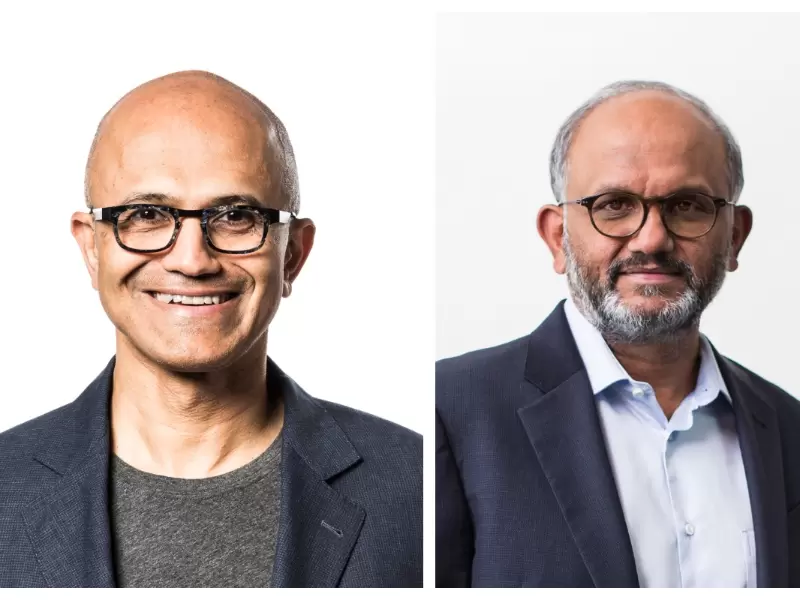
Indian-origin professionals, who constitute the overwhelming majority of the Hindu population in the United States, are deeply embedded in sectors such as technology, medicine, finance, and academia. Their influence is visible from Silicon Valley to research universities and hospitals across the country. Major global corporations such as Google, Microsoft, Adobe, and IBM are led by chief executives of Indian origin, while Indian-American physicians form one of the largest foreign-origin groups within the U.S. healthcare system.
Economic indicators reflect this professional profile. According to the Pew Research Center Religious Landscape Study (2023–24), Hindus in the United States are the most highly educated religious group, with roughly 70 percent holding a bachelor’s degree or higher. Indian-American households also rank among the highest-earning demographic groups in the country, reflecting the community’s strong presence in high-skill sectors.
Scholars of immigration frequently cite Indian Americans as one of the most successfully integrated immigrant communities in the United States. Much of this trajectory stems from high-skill migration pathways that brought scientists, engineers, physicians, and technology professionals to the country in large numbers after immigration reforms in the 1960s.
Alongside these professional contributions, Hindu Americans have also built a vibrant religious and cultural presence across the country through temples, community centers, festivals such as Diwali, and institutions that introduce broader American society to Hindu philosophy, yoga traditions, and classical knowledge systems.
Hindu Americans represent one of the world's oldest living religious traditions, rooted in philosophical ideas such as dharma (righteousness), pluralism, and reverence for knowledge. These values have historically emphasized coexistence and intellectual inquiry rather than proselytization.
Yet the Minnesota resolution suggests that alongside these achievements, a new challenge has emerged: the growing presence of negative narratives surrounding Hindu identity.
Research by the Network Contagion Research Institute highlights how digital ecosystems are increasingly shaping these narratives. An NCRI study found that anti-Indian content on the social media platform X tripled in volume during 2025, generating more than 300 million views across over 24,000 posts. The report notes that debates around immigration policy, particularly issues such as the H-1B visa program frequently triggered spikes in hostile discourse, where policy grievances shifted into collective accusations portraying Indians as economic “replacers” or demographic “invaders.”
The study also observed that amplification of such narratives was highly concentrated among a small network of influential online accounts, some linked to extremist ecosystems. According to NCRI, this pattern demonstrates how coordinated digital networks can push identity-based narratives into mainstream online debates, allowing hostility to spread beyond fringe spaces.
At times, such narratives are also echoed in segments of academic and media discourse, where Hindu temples, traditions, and philosophical ideas are interpreted primarily through ideological frameworks, shaping public perceptions of the community.
The effects of this climate are increasingly visible within the community itself. A recent survey by the Carnegie Endowment for International Peace found that one in four Indian Americans reported being called a slur since 2025, while many respondents indicated discomfort displaying visible religious markers such as bindis or tilaks. The findings suggest that even a highly educated and professionally integrated community may increasingly feel the effects of negative online discourse in everyday public life.
Concerns about Hinduphobia are not limited to online discourse. In recent years, several Hindu temples across the United States have been vandalized or targeted with hate graffiti, raising alarm within the community. U.S. lawmakers have acknowledged the issue publicly; Congressman Thanedar has called for stronger law-enforcement action, warning that repeated attacks on Hindu temples have created a sense of fear among Hindu Americans and require more serious investigation.
By late 2025, a disturbing trend emerged: online hostility around immigration debates increasingly devolved into explicit attacks on Hindu identity. Despite the H-1B visa being a secular, skills-based program, rhetoric shifted from policy arguments to derogatory references to Hindu deities, sacred symbols, and traditions. Even peaceful Diwali greetings that year triggered waves of religious abuse online, revealing how quickly political debates could slide into overt Hinduphobia.
A recent controversy surrounding a towering statue of Lord Hanuman in Sugar Land, Texas, where the deity was described publicly as a “false Hindu god” , also drew strong objections from Hindu organizations, highlighting sensitivities surrounding the portrayal of Hindu religious symbols.
During heated debates around immigration and the H-1B visa program, criticism sometimes spilled over into attacks on Hindu identity itself. In several instances, social media posts and commentaries portrayed the growing presence of Hindu temples in American cities as evidence of cultural “invasion,” shifting the discussion from immigration policy to hostility toward a religious community.
It is within this broader context that initiatives such as the Minnesota resolution acquire significance. By formally acknowledging Hinduphobia as a form of religious discrimination, lawmakers are attempting to situate the issue within the United States’ longstanding commitment to pluralism and religious freedom.
The resolution also highlights the contributions of Hindu Americans across sectors ranging from technology and medicine to academia and entrepreneurship. For supporters, the effort is not about privileging one community but about ensuring that the same principles of tolerance and equal protection extend to all religious traditions.
Over the past several decades, Indian Americans have evolved from a small immigrant population into one of the most visible and professionally accomplished diaspora communities in the country. Yet the research discussed above ranging from demographic studies to analyses of digital discourse, suggests that even highly integrated communities are not immune to new forms of identity-based hostility.
The Minnesota initiative therefore reflects a broader policy question: how democratic societies address emerging forms of prejudice in an era when online narratives can rapidly shape public perceptions. Recognizing the contributions of Hindu Americans while confronting misinformation and hostility may be an important step toward ensuring that the country’s pluralistic ideals continue to apply equally to all communities.
Ultimately, the Hindu American experience reflects one of the defining features of the United States itself: a society continually reshaped by immigrant communities whose cultural and spiritual traditions, from temples and festivals to philosophical ideas about pluralism and coexistence, enrich the broader democratic landscape.
The writer is an author and columnist.
(The views and opinions expressed in this article are those of the author and do not necessarily reflect the official policy or position of New India Abroad.)
Discover more stories on New India Abroad.
Related




ADVERTISEMENT

ADVERTISEMENT

ADVERTISEMENT
E Paper
Video

Comments
Start the conversation
Become a member of New India Abroad to start commenting.
Sign Up Now
Already have an account? Login