ADVERTISEMENT
ADVERTISEMENT



Kerala HC bars repatriation of India-born U.K. citizen’s mortal remains
The court noted that an eligibility to acquire an OCI card cannot be treated as possessing or having applied for an OCI card.
-
 Jeffin T. Kaleekal
 - Tue, 21, Apr 2026
- 04:46 EDT
- 18
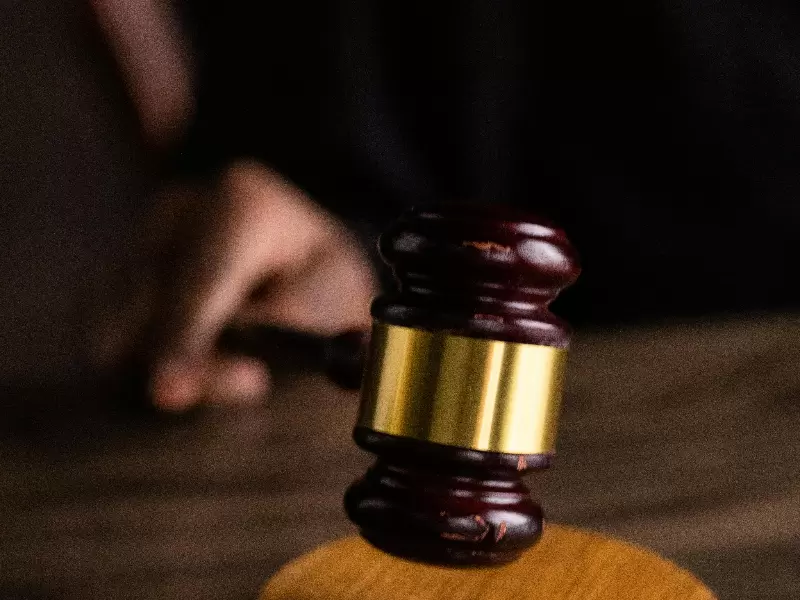 Representative image / Pexels
An India-born foreign citizen’s mortal remains cannot be repatriated to India in the absence of an OCI card, held the Kerala High Court.
The case involves petitioner Hans Joseph appealing to the Kerala High Court to repatriate the mortal remains of his deceased nephew Joby Thomas, who allegedly died while living in the United Kingdom.
The Indian High Commission in the U.K. mandates an Indian Passport or an OCI card for an individual’s remains to be transported to India. After Joseph’s application for such repatriation was denied by the High Commission, he had approached the High Court.
The court pointed out that Thomas, who had given up his Indian citizenship upon acquiring the U.K. citizenship, did not acquire an OCI card and neither had applied for one before his demise.
The court noted, “Mr. Joby Thomas, the deceased, was an Indian citizen as he was born in India. However, he voluntarily acquired British citizenship thereby terminating his Indian citizenship by a conscious act. During his lifetime, for ten long years, after acquiring British citizenship, the deceased did not even apply for an OCI card.”
ALSO READ: Toronto CG eases rules to take ashes to India
It continued, “Hence, there is nothing to indicate that the deceased had, at any point in time, desired or wanted to retain his domicile of origin or have his mortal remains brought to India. Petitioner has not been able to produce any scrap of paper to indicate such a desire of the deceased, expressed during his lifetime.”
The court also noted that an eligibility to possess an OCI card is insufficient and possession of such a card or atleast applying for such a card may have a bearing on the domicile of choice.
The single judge bench presided by Justice Bechu Kurian Thomas added, “The transfer of mortal remains cannot be at the wish or desire of any successor or legal heir of a person, though the same can certainly be a relevant consideration.”
It continued, “Eligibility to transfer the mortal remains of a dead person has to be decided primarily on the basis of citizenship as well the relevant rules in force. Since burial of a dead body has serious and numerous legal implications, it has to be done on the basis of relevant rules.”
The Court also noted that the petitioner, being the maternal uncle of the deceased, was not a legal heir and therefore lacked the locus standi to maintain the writ petition, especially when the deceased’s mother and daughter were alive and had not approached the Court.
Discover more at New India Abroad.
Related



ADVERTISEMENT

ADVERTISEMENT
E Paper
Video

Comments
Start the conversation
Become a member of New India Abroad to start commenting.
Sign Up Now
Already have an account? Login