ADVERTISEMENT
ADVERTISEMENT



U.S. lawmakers back strong India ties
Rep. Raja Krishnamoorthi said the relationship “is not as strong as it should be.”
-
 IANS
IANS - Thu, 23, Apr 2026
- 03:17 EDT
- 15
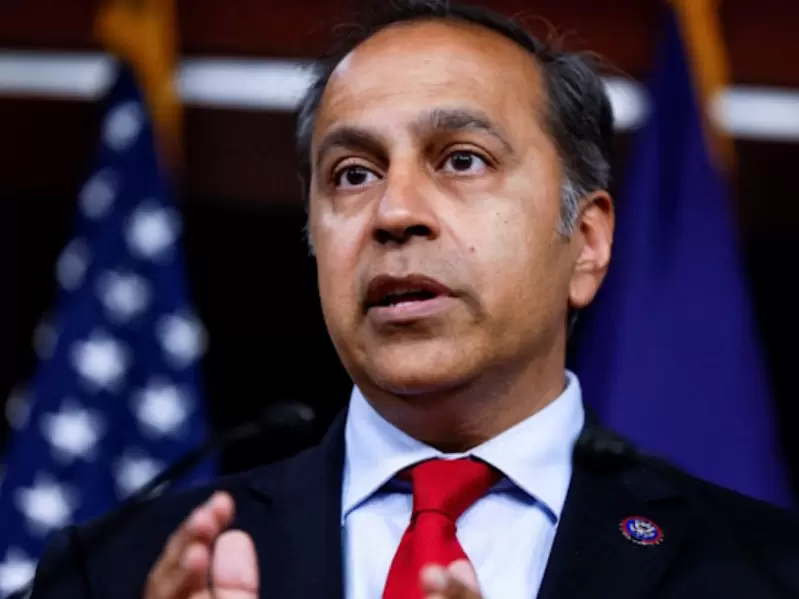
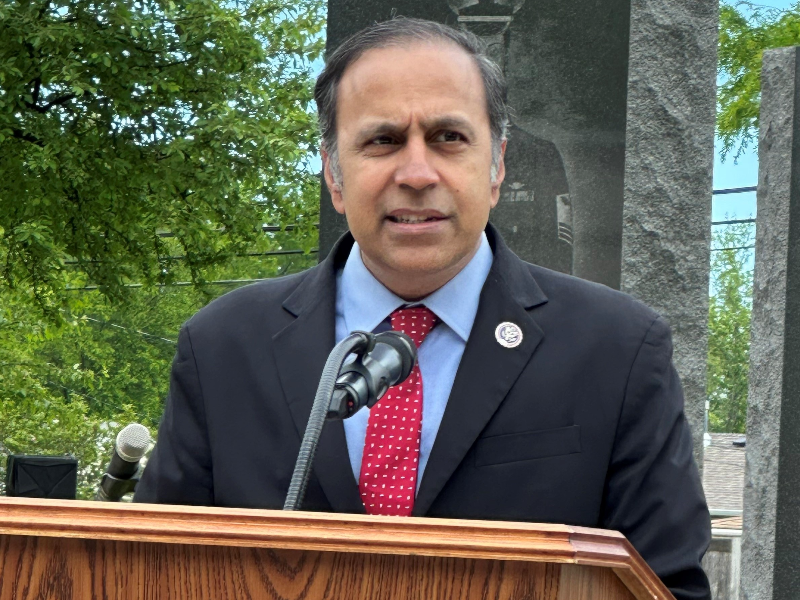 Congressman Raja Krishnamoorthi / IANS
Powerful American lawmakers across party lines called for deeper India-U.S. cooperation on security, trade and global stability, even as some flagged strains in ties over tariffs and policy differences.
At an “Exhibition on Human Cost of Terrorism,” organized by the Indian Embassy at Capitol Hill, members of Congress described India as a key strategic partner, underscoring shared democratic values and the need for closer coordination in addressing global challenges, particularly terrorism.
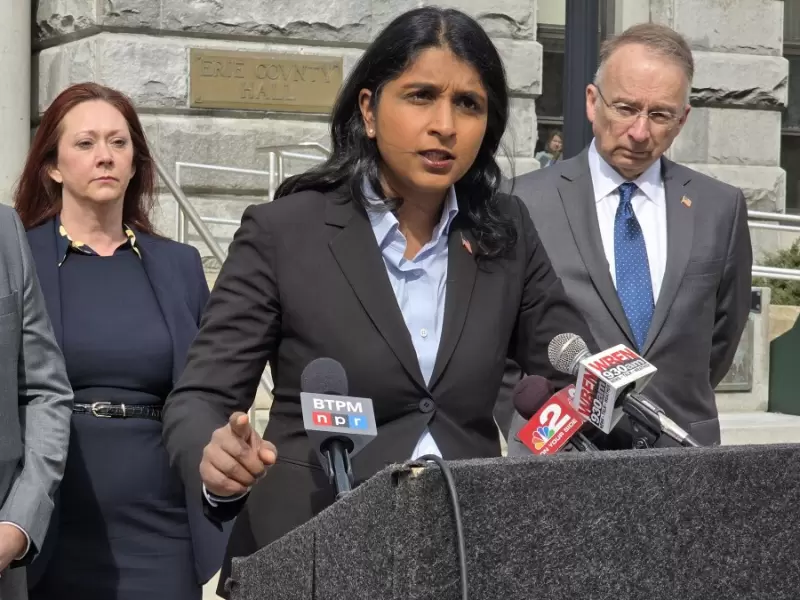
Rep. Raja Krishnamoorthi said the relationship “is not as strong as it should be,” pointing to what he described as a more “transactional relationship” and the impact of tariffs. He added, however, that ties “should transcend parties… and… rise to new heights over time.”
ALSO READ: India, US begin crucial trade talks
At the same time, Krishnamoorthi stressed common ground between the two countries. “Our two countries… share so much in common,” he said, citing a commitment to freedom, equality and a rules-based order.
Rep. Dave Taylor described India as “a hugely important ally of the United States,” calling for “a coordinated policy” to address global threats, including terrorism.
Others highlighted the strategic dimension of the partnership.
Rep. Bill Huizenga, chairman of the South and Central Asia Subcommittee for Foreign Affairs, said India is “extremely important… both economically, strategically,” adding that cooperation spans counterterrorism, intelligence sharing and maritime security.
Huizenga pointed to the importance of ensuring open sea lanes, saying the United States is focused on “making sure that there’s an ability to transit the free… seas,” an area where India plays a growing role.
Rep. Rich McCormick emphasized the long-term potential of the partnership, describing the “synergy between our two countries.”
“When you look at what America and India together are poised to do… (it) could usher in an era of peace, economic prosperity,” he said, linking the relationship to broader global stability.
Rep. Ro Khanna, co-chair of the India Caucus, said the partnership has taken on greater importance in confronting transnational threats.
“Terrorism isn’t just contained to one region… it spreads and threatens freedom around the world,” Khanna said, adding that both countries must deepen “intelligence sharing (and) defense cooperation.”
Rep. Jonathan Jackson tied the relationship to global economic pressures, noting that instability affects both nations.
“The price of fuel, the price of food… affects us all,” he said, warning that rising conflict and terrorism are “now consuming the entire world.”
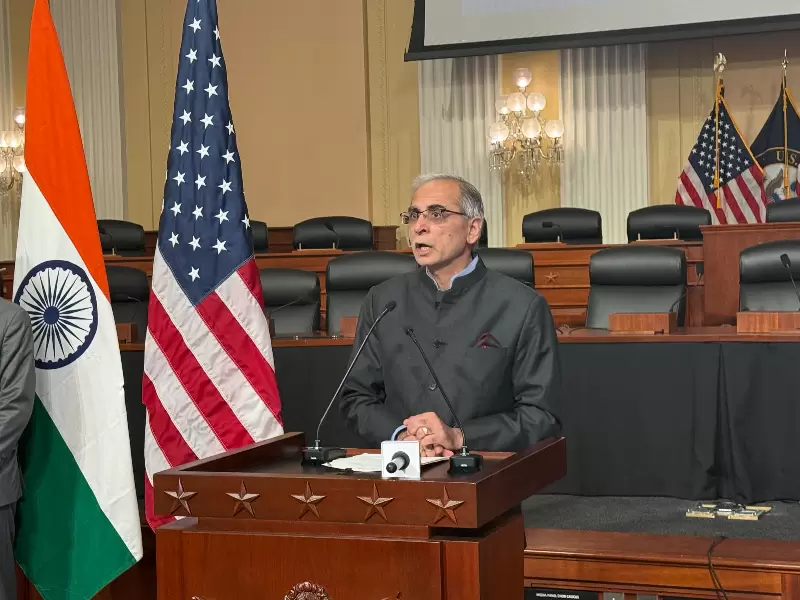
India’s ambassador to the United States, Vinay Mohan Kwatra, said the strong turnout of lawmakers reflected broad political support for the partnership.
“Congressmen… represent the voice of the people,” he said, adding that their engagement helps shape policy and reinforces commitment to counterterrorism efforts.
Kwatra said the event highlighted the need for countries to “come together, need to work together, and… act together” in addressing global challenges.
A big supporter of India-U.S. ties, Rep. Brad Sherman said ties have been “strained by the outrageous tariffs,” but expressed hope for expanding economic engagement going forward.
Lawmakers stressed that differences do not undermine the overall trajectory of the relationship.
Rep. April McClain Delaney described it as “a long, strong relationship,” rooted in deep people-to-people connections, including contributions from the Indian diaspora.
“I think there’s just such an incredible exchange between our countries,” she said.
Rep. Jamie Raskin called for a rules-based approach grounded in international law. Rep. Julie Johnson emphasized the importance of maintaining democratic alignment in confronting global threats.
Lawmakers said cooperation on counterterrorism, defense and trade will continue to define the relationship as both countries navigate an increasingly uncertain global environment.
Discover more at New India Abroad.
Related



ADVERTISEMENT

ADVERTISEMENT
E Paper
Video

Comments
Start the conversation
Become a member of New India Abroad to start commenting.
Sign Up Now
Already have an account? Login