ADVERTISEMENT

ADVERTISEMENT



U.S. Embassy warns students of visa revocations over legal violations
The advisory has been issued as Indian enrollments stay high but new visas and arrivals decline.
-
1759163132.png) Anushka Pathak
Anushka Pathak - Wed, 07, Jan 2026
- 11:54 EST
- 279
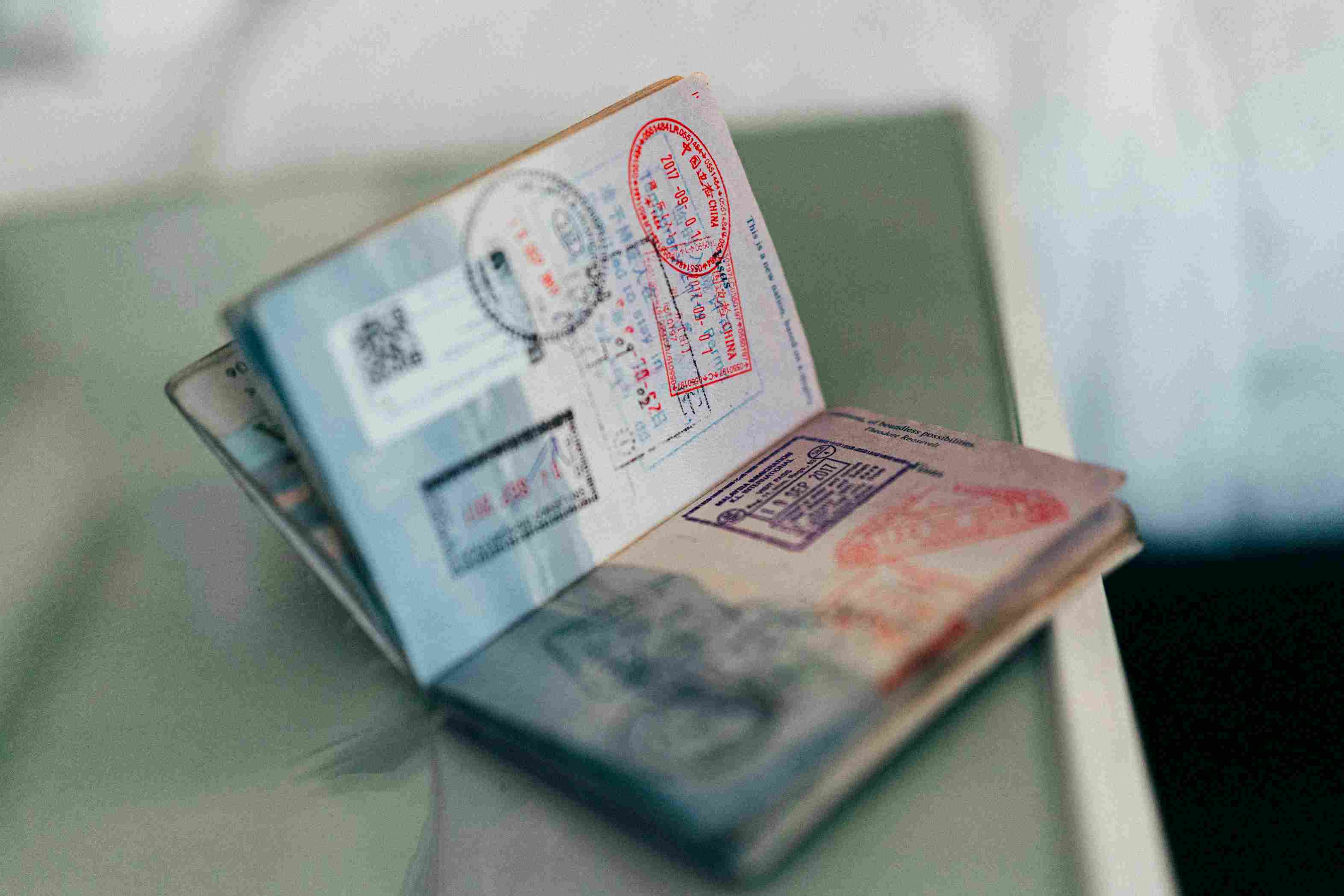 Representative image / Image: unsplash.com
The U.S. Embassy in India on Jan. 7 issued an advisory to student visa holders, warning that any arrest or violation of U.S. law can trigger immediate visa revocation, deportation, and future ineligibility for entry.
The embassy, in an X post, said a U.S. visa is a privilege, not a right, and stressed strict compliance with local laws.
Also Read: U.S. embassy in India warns of widespread visa scams
Breaking U.S. laws can have serious consequences for your student visa. If you are arrested or violate any laws, your visa may be revoked, you may be deported, and you could be ineligible for future U.S. visas. Follow the rules and don’t jeopardize your travel. A U.S. visa is a… pic.twitter.com/A3qyoo6fuD
— U.S. Embassy India (@USAndIndia) January 7, 2026
The advisory comes amid shifting dynamics in India-U.S. educational exchanges. The Institute of International Education (IIE) Open Doors 2025 report released in Nov. 2025 showed 363,019 Indian students enrolled in U.S. higher education institutions during the 2024-2025 academic year, the largest cohort from any country and a 10 percent increase year-on-year.
However, new student inflows from India have dropped sharply. An IIE Fall 2025 International Student Enrollment Snapshot reported significant declines in new enrollments, aligning with broader accounts of 40-50 percent reductions in F-1 visa issuances to Indian nationals during parts of 2025 compared with 2024.
Recently, Indian-origin CNN journalist Fareed Zakaria described international education as a "$40-$50 billion (INR 3.3-4.1 trillion) business a year" for U.S. universities, largely supported by full-fee-paying foreign students.
He warned, "That’s all going away," pointing to growing preferences for destinations such as Australia, Canada, and the United Kingdom, and said reduced inflows could weaken U.S. soft power.
U.S. immigration rules have long allowed visa revocation following arrests or legal violations, even without convictions. The embassy said the advisory reiterates existing regulations rather than announcing new policy changes.
Related





ADVERTISEMENT

ADVERTISEMENT
E Paper
Video

Comments
Start the conversation
Become a member of New India Abroad to start commenting.
Sign Up Now
Already have an account? Login