ADVERTISEMENT
ADVERTISEMENT



Trump declares Iran deal complete, orders Hormuz reopening
Trump announced that the United States and Iran had completed a deal to reopen the Strait of Hormuz, a move he said would restore oil flows and ease regional tensions.
-
 IANS
IANS - Mon, 15, Jun 2026
- 05:54 EDT
- 20
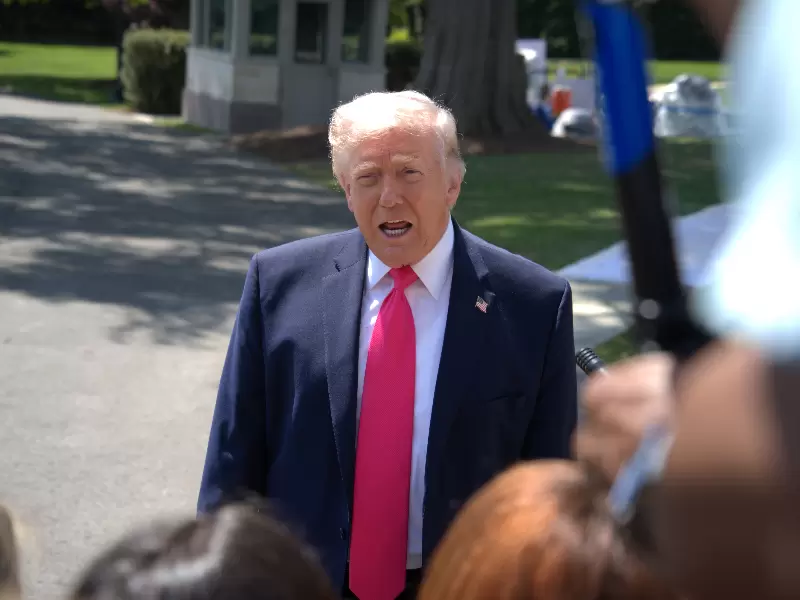 US President announced an agreement with Iran that he said would reopen the Strait of Hormuz and remove the US naval blockade. / Photo: Xinhua via IANS
US President Donald Trump announced that the United States and Iran had reached an agreement to reopen the Strait of Hormuz and end the US naval blockade, describing the development as a major diplomatic breakthrough after months of tensions that disrupted global shipping and energy markets.
“The Deal with the Islamic Republic of Iran is now complete. Congratulations to all!” Trump said in a post on social media.
The Strait of Hormuz, a critical shipping corridor for global oil supplies, has remained at the center of tensions between Washington and Tehran in recent months. Disruptions in the waterway contributed to volatility in international energy markets and heightened concerns about a broader regional conflict.
Also Read: UN chief welcomes announcement of US-Iran peace deal
Trump said he was authorizing the reopening of the waterway and the removal of the US naval blockade imposed during the standoff.
“I hereby fully authorize the toll free opening of the Strait of Hormuz, and, simultaneously herewith, authorize the immediate removal of the United States Naval blockade,” he wrote.
“Ships of the World, start your engines. Let the oil flow!”
In a separate post, Trump described the agreement as a historic achievement.
“This Great Deal will bring Peace and Security to the whole Region,” he wrote.
“Many presidents have tried to make Peace with Iran, and all have failed before me.”
“The Leaders of the Region have, for the first time, found a President who can help them achieve real Peace,” he added.
Trump said the agreement would be formally signed Friday and linked the reopening of the Strait of Hormuz to ongoing mine-removal efforts in the waterway.
“With the opening of the Strait upon the signing of the Deal on Friday, for purposes of mine removal, oil will flow on both ends again for the Region, and the World!” he said.
The White House did not immediately release details of the agreement, and Trump’s statements did not address longstanding issues between Washington and Tehran, including Iran’s nuclear program and US sanctions.
However, his comments suggested that the immediate focus of the agreement is restoring freedom of navigation through the Strait of Hormuz and removing barriers to commercial shipping.
The announcement followed a day of intense diplomatic activity. Multiple international media outlets reported that US and Iranian negotiators had moved closer to an understanding after weeks of talks facilitated by regional mediators.
According to The Wall Street Journal, US and Iranian officials indicated that a formal signing ceremony is expected later this week, with reopening the Strait of Hormuz and lifting the naval blockade forming the core of the arrangement.
The publication reported that both sides had agreed to an interim framework aimed at ending hostilities and creating space for broader negotiations.
The Washington Post reported that the agreement would reopen the Strait and end the blockade while leaving other major issues for future discussions. Those talks are expected to address Iran’s nuclear program and potential sanctions relief.
The New York Times described the arrangement as a cease-fire framework that could pave the way for wider negotiations between the two countries. The newspaper reported that the agreement is expected to halt hostilities, reopen the Strait and remove the blockade while postponing more contentious issues to a later phase of talks.
Trump presented the agreement as evidence that his administration had achieved a diplomatic breakthrough where previous US administrations had failed.
The agreement's success will likely depend on its implementation and whether future negotiations can address the broader disputes that have long shaped US-Iran relations.
Discover more at New India Abroad.
Related



ADVERTISEMENT

ADVERTISEMENT
E Paper
Video

Comments
Start the conversation
Become a member of New India Abroad to start commenting.
Sign Up Now
Already have an account? Login