ADVERTISEMENT

ADVERTISEMENT



Swastika terminology removed from Canada’s C-9 Bill
CoHNA Canada considers this change a win for several Canadians and a portrayal of the power of advocacy.
-
Rwittika Chakraborty
- Thu, 11, Dec 2025
- 03:36 EST
- 153
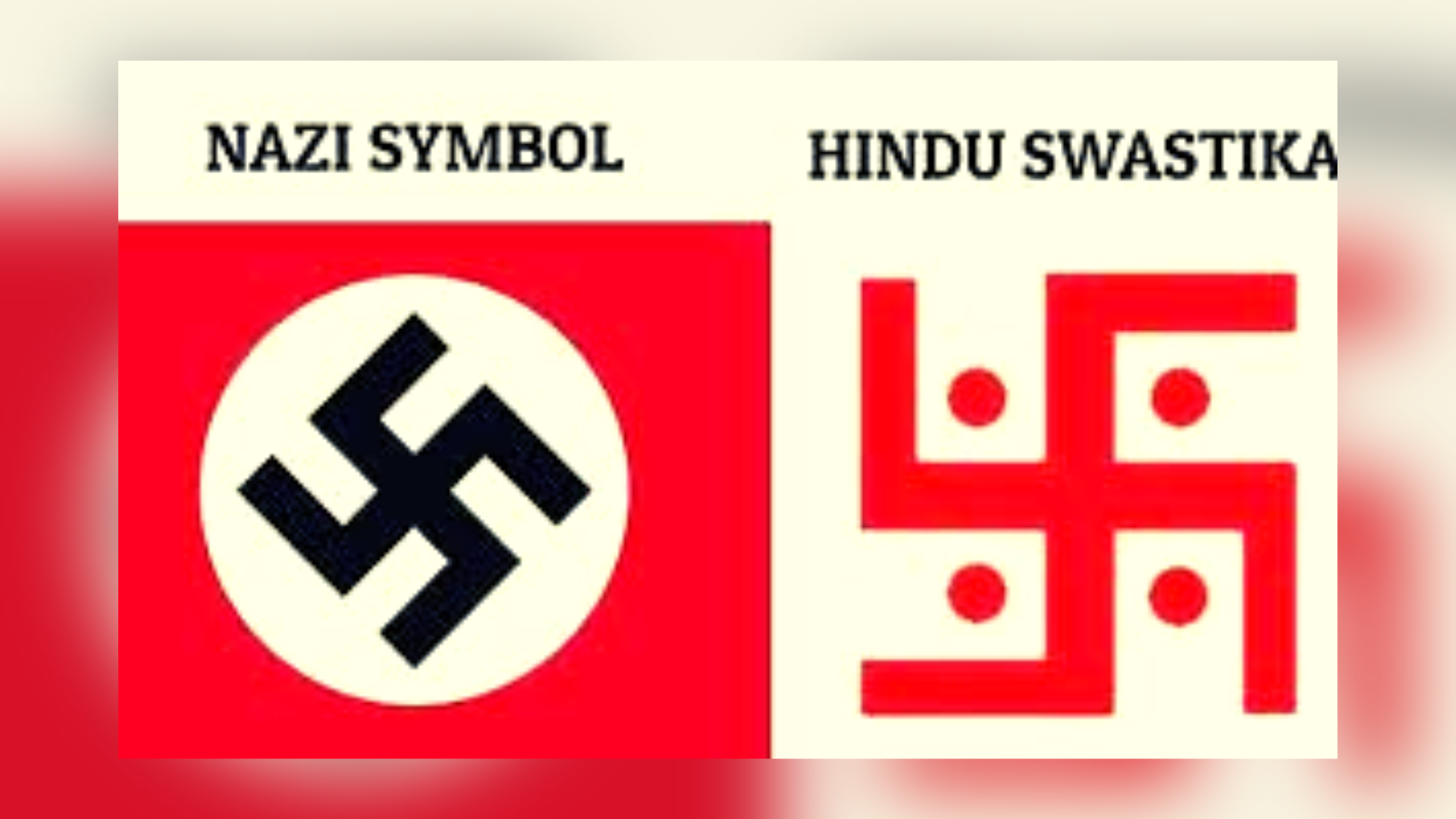 While Bill C-9 aims to strengthen Canada’s hate crime laws, it had equated the Hindu symbol of the swastika with the Nazi symbol, the Hakenkreuz (hooked cross). / X
Canada’s Parliamentary Secretary to the Minister of Emergency Management and Community Resilience, Anthony Housefather, saw his amendment to remove the term “swastika” from Bill C-9 successfully adopted on Dec. 9.
The Coalition of Hindus of North America (CoHNA) is celebrating the legislative victory on Bill C-9, where the swastika terminology — which the group has long argued is problematic — has now been corrected.
While Bill C-9 aims to strengthen Canada’s hate crime laws, it had equated the Hindu symbol of the swastika with the Nazi symbol, the Hakenkreuz (hooked cross).
Bill C-9 makes it an offense to display the Nazi symbol in any public place, along with those that remotely resemble it. Earlier, without explicit clarification and exemption, the Hindu swastika displayed was legally indistinguishable from the Hakenkreuz, creating legal jeopardy for innumerable Canadians’ ability to engage in day-to-day religious practices.
BREAKING: In a significant legislative victory on Bill C-9, the problematic Swastika terminology has been corrected. As one of the organizations that led the opposition, CoHNA celebrates this move and congratulates the combined interfaith advocacy that helped secure this change.… pic.twitter.com/asHOhIj3J0
— CoHNA Canada (@CoHNACanada) December 10, 2025
CoHNA Canada, which was part of coordinated advocacy along with other Dharmic organizations, thanked Housefather for the change, calling it a major step toward ensuring the sacred swastika of Hindu, Buddhist and Jain traditions is not conflated with the Nazi Hakenkreuz.
CoHNA Canada also considers this a win for the many Canadians who wrote, called and met with lawmakers to voice their concerns — and a clear demonstration of the power of advocacy.
Related




.jpg)

ADVERTISEMENT

ADVERTISEMENT
E Paper
Video

Comments
Start the conversation
Become a member of New India Abroad to start commenting.
Sign Up Now
Already have an account? Login