ADVERTISEMENT

ADVERTISEMENT



Quad, 2+2 lose momentum amid India-U.S. rift: Lawmaker
The Quad has emerged as a central platform for coordination on security, supply chains, and stability in the Indo-Pacific amid China’s growing regional influence.
-
 IANS
IANS - Wed, 28, Jan 2026
- 00:23 EST
- 14
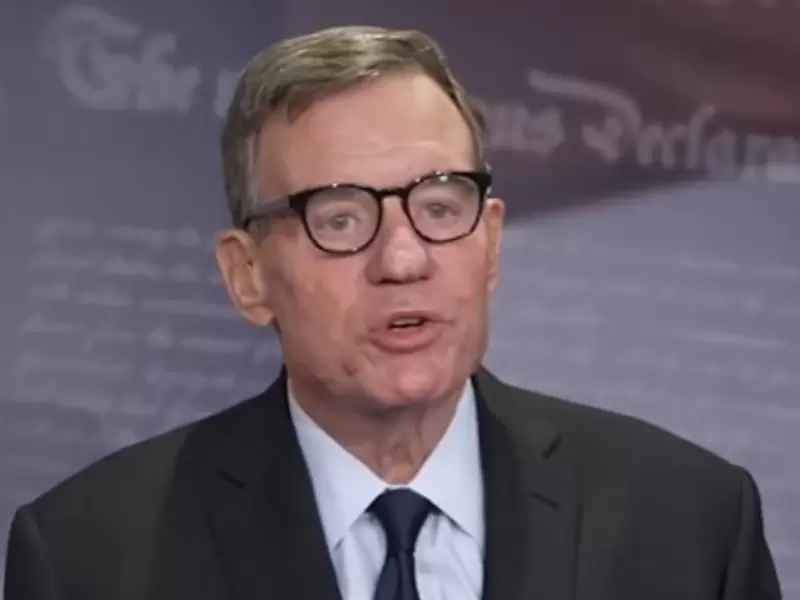 Quad, 2+2 lose momentum amid India-U.S. rift: Lawmaker / X/@MarkWarner
Momentum in key India-U.S. security frameworks, including the Quad and the two-plus-two dialogue, is slowing as bilateral strains weigh on confidence-building efforts in the Indo-Pacific, an influential American lawmaker warned.
Mark Warner, chairman of the powerful Senate Intelligence Committee, said traditional diplomatic and security mechanisms require sustained political focus but have received less attention under the current Trump Administration.
ALSO READ: Tariffs, trust deficit strain India-US ties: Warner
“These traditional efforts that take the two plus two and the Quad… are confidence building mechanisms,” Warner told IANS in an exclusive interview, referring to ministerial-level engagements between India and the United States and the four-nation Quad grouping.
He said such processes are demanding but necessary. “They take a lot of time, take a lot of energy,” Warner said. He added that even limited outcomes matter. “Even if they’re just small deals that come out, it’s important,” he said.
Warner expressed concern that these mechanisms were being sidelined. “The fact that they’ve not gotten the same attention is a long-term challenge,” he said.
He linked the slowdown to broader strains in India-U.S. relations, including trade disputes and growing mistrust. Warner warned that weakening confidence-building platforms could have consequences beyond the bilateral relationship.
Despite those concerns, he said cooperation among Quad partners remained strategically important. “I do think that the activities of the Quad, India, Japan, Australia, United States, that military relationship seems to be strengthening,” Warner said. “I think that’s important,” he added.
Warner said inconsistent engagement by Washington risked affecting how allies view U.S. reliability. “I worry when American allies… say China may be a more dependable partner than the United States,” he said.
He said such perceptions were deeply troubling. “That hugely concerns me,” Warner said, warning that allies could begin hedging their strategic bets.
He said this concern applied to India as well. “If there are parts of the Indian government that say… maybe we can’t depend upon America, that is a huge concern to me,” Warner said.
Warner tied the issue directly to trust. He said strained relations were not limited to India alone. “When the United States disrespects its allies and friends… it creates that trust deficit,” he said.
He argued that Congress has a role in sustaining long-term engagement when executive-level ties are under pressure. Warner said the Senate India Caucus continues to work on a bipartisan basis to keep channels open.
“We are proud that the Senate India Caucus is the largest bilateral caucus in the Congress,” he said, adding that collective action by lawmakers can help reinforce long-term strategic priorities.
Warner said maintaining regular dialogue through established frameworks remains critical for regional stability, even during periods of political friction.
The Quad has emerged as a central platform for coordination on security, supply chains, and stability in the Indo-Pacific amid China’s growing regional influence.
For India, sustained momentum in the Quad and the two-plus-two dialogue is seen as essential to balancing regional power dynamics while preserving strategic autonomy and deepening defence cooperation with key partners.
Read more stories on NewIndiaAbroad.
Related





ADVERTISEMENT
ADVERTISEMENT
E Paper
Video

Comments
Start the conversation
Become a member of New India Abroad to start commenting.
Sign Up Now
Already have an account? Login