ADVERTISEMENT
ADVERTISEMENT



One life, one decision, endless consequences
Preventing overdoses begins with making informed decisions and understanding the risks of drug use.
-
 Naisha Jha
 - Sat, 18, Jul 2026
- 13:12 EDT
- 44
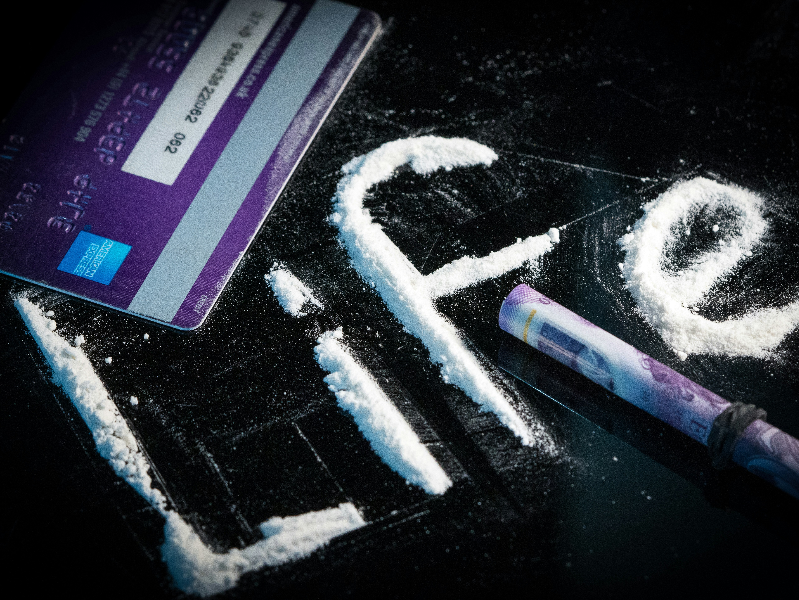 Representative Image / Unsplash
It only takes one decision to change a life forever. Every year, thousands of teenagers are affected by drug overdoses, many after taking a substance they received from trusted peers and assumed was safe.
With counterfeit pills containing powerful drugs like fentanyl becoming more common, even a single decision can have life-threatening consequences. Learning about overdoses is a difficult topic to discuss, but teens educating themselves on what to do in such a situation is necessary in order to protect themselves and others.
Also Read: Hidden mental health crisis on campuses
According to the American Academy of Pediatrics, overdoses affect about 1% of teenagers each year. Although that percentage may be small, overdoses still remain one of the leading causes of preventable deaths in teens and young adults. An overdose occurs when someone takes more of a drug than their body can safely handle.
Taking too much of a drug overwhelms the brain and other vital organs. According to the CDC, opioids such as fentanyl, heroin, and oxycodone can slow the brain so much that breathing becomes dangerously slow or stops completely. Without enough oxygen, the brain, heart, and other organs begin to fail.
Stimulants, such as cocaine and methamphetamine (meth), can have the opposite effect by causing an extremely fast heart rate and dangerously high blood pressure. This can lead to seizures or cardiac arrest. Because the teenage brain is still developing, drug use can also negatively interfere with memory, learning, judgment, and emotional health. With the addiction of drugs comes the detriment of relationships and both physical and mental well-being.
If someone is having an overdose, every second counts towards saving their life. The American Red Cross recommends calling 911 immediately and staying with the person until emergency responders arrive. If another adult or peer happens to be in the area, call out for help and ask them to find help or aid in first-response care.
The National Institute on Drug Abuse (NIDA) recommends keeping naloxone (Narcan) on hand in case of emergency. If it is available and you suspect an opioid overdose, administer it as directed because it can temporarily restore normal breathing. If the person is unconscious but breathing, gently place them on their side to help prevent choking.
If they stop breathing and you have been trained in CPR or rescue breathing, begin providing assistance until medical professionals arrive. An overdose is never something that a person can simply “sleep off,” so seeking emergency medical care right away is essential.
Preventing overdoses begins with making informed decisions and understanding the risks of drug use. Teens should never take medications that are not prescribed specifically for them or use pills obtained from friends, social media, or online sources, since many counterfeit pills contain fentanyl without the user’s or even distributor’s knowledge.
Having honest conversations with trusted adults, healthcare providers, teachers, or peers can also help teens cope with stress and social pressures in healthier ways. Knowing the signs of an overdose and learning how to use naloxone can prepare people to respond during an emergency.
If you or someone you know is struggling with substance use or a mental health crisis, help is available by calling or texting 988 to reach the Suicide & Crisis Lifeline or by calling 1-800-662-HELP (4357) for the SAMHSA National Helpline. One informed decision has the power to not only protect your own future, but someone else’s as well.
Discover more at New India Abroad.
Leave A Comment
Related










ADVERTISEMENT

ADVERTISEMENT
E Paper
Video

Comments
Start the conversation
Become a member of New India Abroad to start commenting.
Sign Up Now
Already have an account? Login