ADVERTISEMENT

ADVERTISEMENT



Jayapal accuses DOJ of spying on Congress
Rep. Jayapal claimed that the agency appeared to log every search conducted on its computers, and that bringing those search histories into public testimony was unacceptable.
-
Rwittika Chakraborty
- Sat, 14, Feb 2026
- 04:18 EST
- 21
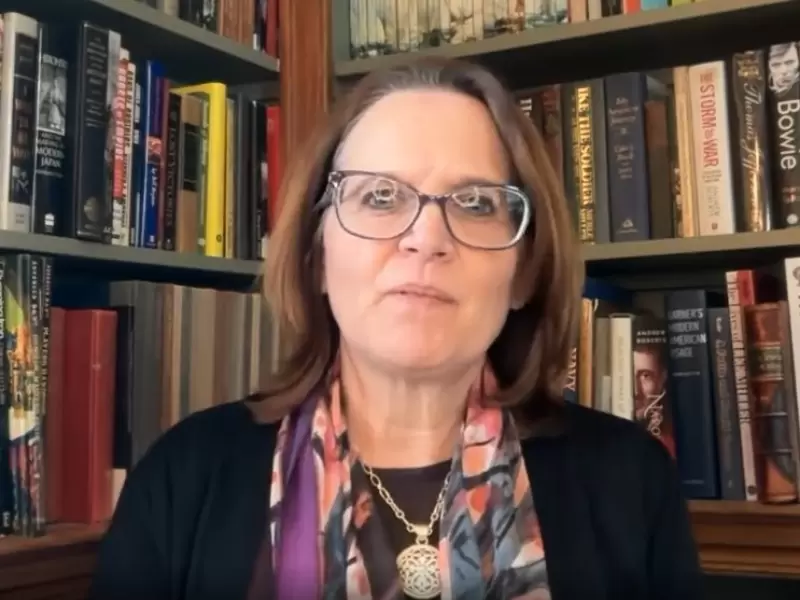
.png) Pramila jayapal / X
Pramila jayapal / X
U.S. Representative Pramila Jayapal, along with Rep. Jamie Raskin and Rep. Robert Garcia, has formally demanded that Attorney General Pam Bondi and the Department of Justice (DOJ) ‘immediately stop spying on Members of Congress,’ while explaining the reason behind the surveillance, and grant them access to the fully unredacted Epstein Files.
Jayapal took to X, posting images of the official letter addressed to AG Bondi. Her post concluded,
“The DOJ must stop its cover-up NOW.”
ALSO READ: U.S. lawmakers accuse Bondi of hiding names of Epstein associates
The dispute escalated this week during a House Judiciary Committee hearing when Bondi appeared with a document in her binder labeled “Jayapal Pramila Search History,” which seemed to list specific records the lawmaker had accessed while reviewing sensitive files at a DOJ facility.
Jayapal described this act as totally inappropriate and outrageous, accusing the department of ‘spying’ on members of Congress as they exercised oversight responsibilities.
She claimed that the agency appeared to log every search conducted on its computers, including queries and file access, and that bringing those search histories into public testimony was unacceptable.
Along with criticism from the Democrats, some Republicans have also expressed concern over this incident, including House Speaker Mike Johnson, who said that although the DOJ claims it logs all searches to protect sensitive victim information, he does not believe it is appropriate for the department to track lawmakers’ search histories and suggested the practice may have been unintentional.
Despite the DOJ’s explanation that search logging is aimed at safeguarding information, lawmakers claim the lack of prior notice about detailed tracking and the subsequent use of those records in a political context raises serious constitutional and oversight issues.
The situation comes amid complaints over the federal government’s handling of the Epstein files, including criticisms that several documents have been heavily redacted and that the review process for members of Congress has been cumbersome and opaque.
As legislators continue to seek greater access and transparency, the current dispute over tracking practices threatens to deepen mistrust between Congress and the DOJ.
Lawmakers are now seeking new protocols that would allow a credible review of unredacted files without the risk of monitoring, and some have called for an investigation by the DOJ’s Inspector General into the alleged tracking of congressional activity.
Discover more at New India Abroad.
Related










ADVERTISEMENT

ADVERTISEMENT
E Paper
Video

Comments
Start the conversation
Become a member of New India Abroad to start commenting.
Sign Up Now
Already have an account? Login