ADVERTISEMENT

ADVERTISEMENT



Expanded visa screening takes effect Dec. 15
New policy requires public social media access for skilled workers, dependents and students starting Dec. 15.
-
1759953093.png) Staff Reporter
Staff Reporter - Mon, 15, Dec 2025
- 02:09 EST
- 137
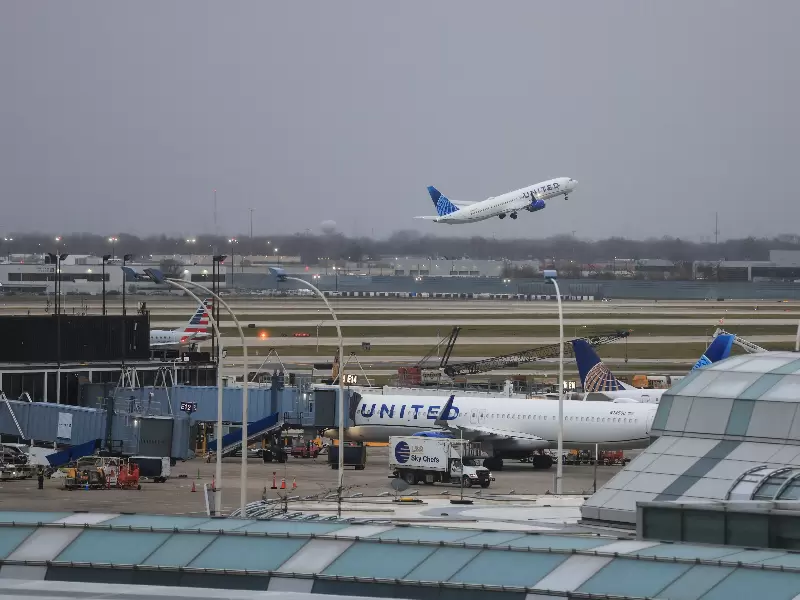
.png) Representative Image / Canva
Representative Image / Canva
The United States will begin enhanced screening of H-1B work visa applicants and their H-4 dependents starting Dec. 15, expanding mandatory social media checks as part of the Trump administration’s immigration crackdown.
In a new directive, the U.S. State Department said it will review the online presence of all H-1B applicants and those seeking H-4 dependent visas. Until now, compulsory social media screening primarily applied to student and exchange visitor categories.
ALSO READ: Stranded H-1B worker asks peers to halt applications
The change brings skilled foreign workers and their families under the same level of scrutiny already applied to F, M and J nonimmigrant visa applicants, which include international students and exchange visitors.
To enable the review, applicants will be required to make their social media profiles publicly accessible.
“To facilitate this vetting, all applicants for H-1B and their dependents (H-4), F, M, and J nonimmigrant visas are instructed to adjust the privacy settings on all of their social media profiles to ‘public’,” the department said.
The State Department said F, M and J visa categories were already subject to online screening and that the policy has now been extended to H-1B and H-4 applicants.
The directive comes amid reports that, following the postponement of H-1B visa interviews in India, some H-1B and H-4 visa holders in the United States received emails from consulates stating their temporary work visas had been “prudentially revoked.”
The department emphasized that visas are discretionary and part of a broader national security process.
“Every visa adjudication is a national security decision,” the department said. It added that it conducts “thorough vetting of all visa applicants,” using “all available information” to identify individuals who may be inadmissible or pose a risk to national security or public safety.
Applicants, the department said, must clearly establish they intend to comply with visa terms.
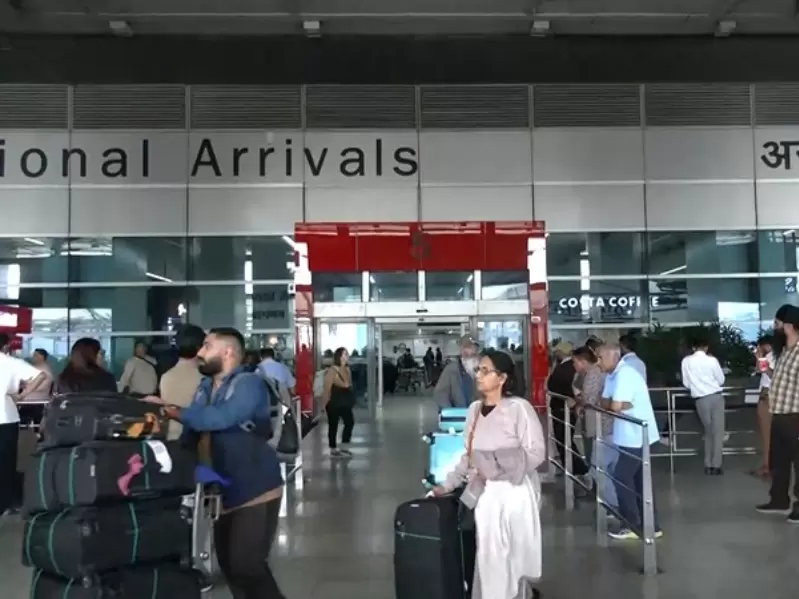
The policy will affect Indian nationals, one of the largest groups of H-1B visa holders. The program is widely used by U.S. technology firms and health care providers to employ skilled foreign workers.
The move follows a series of actions by the Trump administration to tighten rules around temporary work visas, arguing the H-1B system has been misused and requires reform.
Related
.jpg)


.JPG)
ADVERTISEMENT

ADVERTISEMENT
E Paper
Video

Comments
Start the conversation
Become a member of New India Abroad to start commenting.
Sign Up Now
Already have an account? Login