ADVERTISEMENT
ADVERTISEMENT



California DMV launches online help form for immigrant truckers
The DMV’s new online form enables the agency to respond directly to each submitter and provide personalized guidance on available remedies.
-
 Jeffin T. Kaleekal
 - Thu, 11, Jun 2026
- 05:00 EDT
- 45
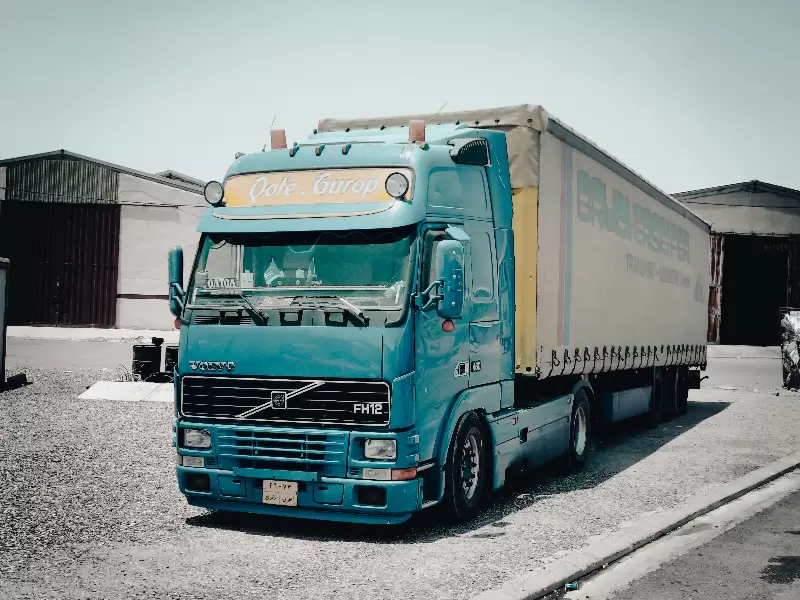 Representative image / Pexels
The California Department of Motor Vehicles (DMV) has come up with a support form that seeks to offer relief to immigrant commercial drivers whose non-domiciled Commercial Driver’s Licenses (CDLs) were canceled by the California Department of Motor Vehicles (DMV) due to mismatched expiration dates between their CDLs and Employment Authorization Documents.
Launching a dedicated online form for this specific category of former CDL holders, whose issue was contested under the Doe v. Gordon case, the DMV will address questions and provide assistance regarding their non-domiciled CDL applications and Class C driver’s licenses.
The form also features options for extending temporary Class C licenses or transitioning to permanent ones.
Explaining the provision, the Sikh Coalition, one of the leading voices fighting the original cancellation order, said, "Drivers holding interim or temporary Class C licenses who have struggled to obtain extensions can request an extension or apply directly for a permanent Class C license."
It also noted, "This covers questions about the validity of non-domiciled CDLs, fees for permanent licenses, the potential reissuance of non-domiciled CDLs (particularly for applications submitted with EADs in March 2026), and issues related to identity or legal presence documents."
Also Read: U.S. bill targets commercial driving license use by illegal migrants
The DMV’s new online form enables the agency to respond directly to each submitter and provide personalized guidance on available remedies.
The Sikh Coalition also encouraged affected class members to submit their questions through the form and has offered to assist drivers who need help completing it.
The Doe v. Gordon class action lawsuit, filed in late 2025 by the Sikh Coalition, Asian Law Caucus, and other partners against the California DMV and its director, challenges the agency’s mass cancellation of thousands of non-domiciled Commercial Driver’s Licenses (CDLs).
The plaintiffs claimed that the cancellations, which were triggered by discrepancies in expiration dates between CDLs and Employment Authorization Documents (EADs), have severely disrupted the livelihoods of numerous immigrant truck drivers.
This latest guidance marks a significant practical step forward for class members amid ongoing legal proceedings and administrative efforts to resolve the issue.
Discover more at New India Abroad.
Related







ADVERTISEMENT

ADVERTISEMENT
E Paper
Video

Comments
Start the conversation
Become a member of New India Abroad to start commenting.
Sign Up Now
Already have an account? Login