ADVERTISEMENT

ADVERTISEMENT


AI could make traditional jobs obsolete by 2050: Vinod Khosla
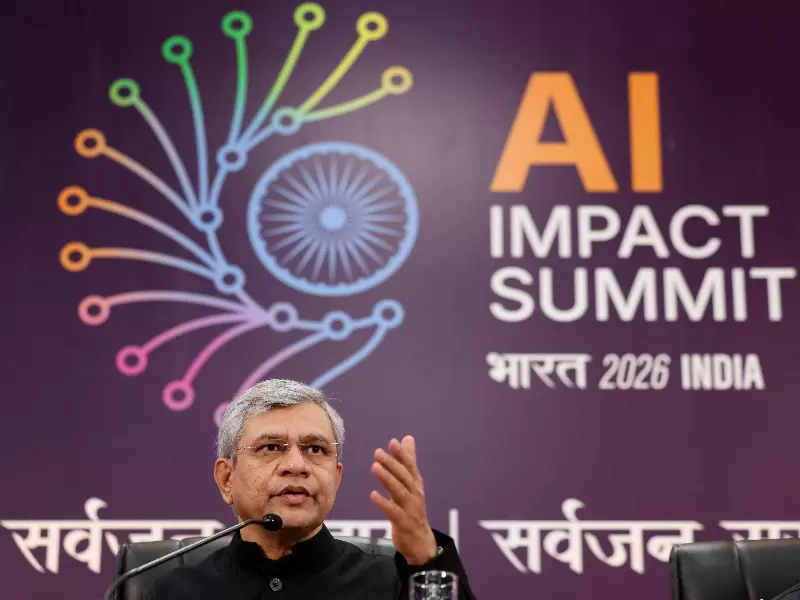
Reiterating his view at the India AI Impact Summit 2026, Khosla said the outsourcing industry could be gone by 2030.
-
 IANS
IANS - Tue, 17, Feb 2026
- 14:45 EST
- 21
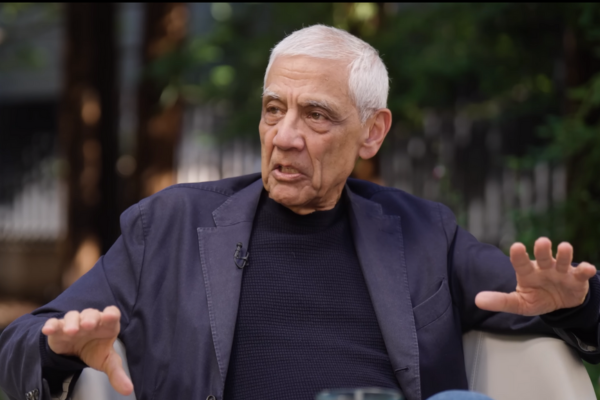 Vinod Khosla / YouTube (Nikhil Kamath)
Indian-American businessman and venture capitalist Vinod Khosla on Feb. 17 made a bold prediction that by 2050, people may not even need jobs as artificial intelligence (AI) continues to advance rapidly across sectors.
Speaking at the India AI Impact Summit 2026, Khosla said the future of jobs will become much clearer in the coming decades as AI systems grow more powerful and capable. He asserted that by 2050, it will be evident that traditional employment structures are changing dramatically.
ALSO READ: Coding will no longer be tech professionals' primary job: Infosys' Nandan Nilekani
“Artificial intelligence could eliminate large parts of white-collar employment,” the Silicon Valley investor, who has been vocal about AI’s disruptive potential, said.
He warned that IT services and business process outsourcing (BPO) firms could “almost completely disappear” within the next five years.
Reiterating his view at the summit, Khosla said the outsourcing industry could be gone by 2030.
“Many people in India still do not believe that AI will significantly impact the IT sector,” Khosla mentioned.
However, he argued that rapid technological advances will fundamentally disrupt industries that have long driven India’s economic growth.
Khosla also criticized long tenures at large corporations, saying that working 15 to 20 years at a single big company could reduce adaptability in a fast-changing technology environment.
He said such professionals risk becoming less flexible as industries evolve.
Despite his warnings, Khosla praised India’s efforts in artificial intelligence. “The summit is highly successful, and the large participation—more than 3 lakh [300,000] people had registered for the event,” he described.
He expressed strong support for the idea of sovereign AI models designed to serve national interests.
“Countries should develop their own AI systems, especially for sensitive areas like cybersecurity and defense, rather than depend on foreign models,” Khosla explained.
He pointed out that he had invested in Sarvam to support India’s AI ambitions.
Discover more at New India Abroad.
Related




ADVERTISEMENT

ADVERTISEMENT
E Paper
Video

Comments
Start the conversation
Become a member of New India Abroad to start commenting.
Sign Up Now
Already have an account? Login