ADVERTISEMENT
ADVERTISEMENT



Dissidence continues for Mark Carney in the Liberal caucus
Prime Minister Mark Carney has named Marc Miller, a former federal minister who represents a Montreal riding, as the new minister of culture and identity.
-
 Prabhjot Paul Singh
 - Tue, 02, Dec 2025
- 02:57 EST
- 65
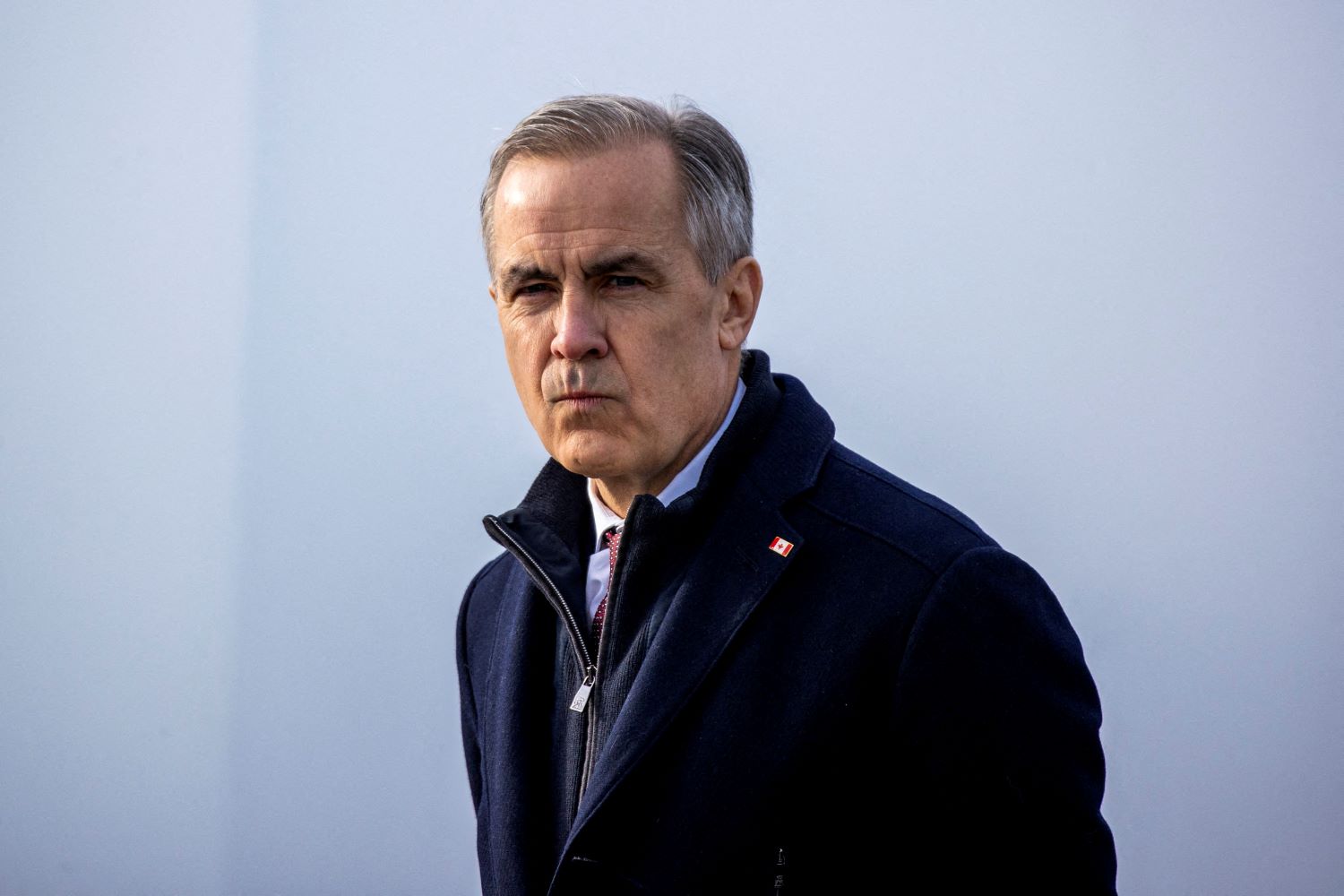 Former Bank of Canada and Bank of England governor, and current Liberal Party leadership candidate, Mark Carney. / REUTERS/Carlos Osorio//File Photo
Problems refuse to die down for Prime Minister Mark Carney even after the British Columbian Premier David Eby offered to talk with Alberta and Ottawa about the new pipeline on the condition that the existing ban on tanker traffic off his province’s northern coast remains in place.
Prime Minister Mark Carney and Alberta Premier Danielle Smith signed a memorandum of understanding (MOU) on Nov. 27 to carry forward their shared missions. While this framework for an agreement will strengthen federal-provincial collaboration in the energy sector to achieve net-zero emissions by 2050, unlock the full potential of Alberta’s energy resources, and create hundreds of thousands of new high-paying careers for Canadians, it has led to dissidence within the ruling Liberal caucus.
ALSO READ: Canada survives Budget vote
Career environmentalist and Minister Steven Guilbeault did not waste any time quitting his membership of Carney’s Cabinet by reiterating his position as a key voice on the environment.
While distancing himself from the Liberal government on the issue of the MOU with the Alberta government, Steven Guilbeault circulated a three-page letter alleging that much of the policy he worked on “is or is about to be dismantled.”
The BC Premier, David Eby, too, has opposed the Alberta-Ottawa deal throughout.
Unmindful of the opposition, Prime Minister Mark Carney has gone ahead and named Marc Miller, a former federal minister who represents a Montreal riding, as the new minister of culture and identity, in place of Steven Guilbeault.
Mark Carney also made a few new appointments, including a couple of changes in his cabinet.
Other changes and appointments include Joël Lightbound, currently Minister of Government Transformation, Public Works and Procurement, who will also serve as Québec Lieutenant.
Also, Julie Aviva Dabrusin retains her portfolio, with the new title of Minister of the Environment, Climate Change, and Nature.
The Alberta-Ottawa MOU is built on practical solutions: stronger, more effective industrial carbon pricing; major private sector investments in clean technologies; and expanded, responsible energy development for the workers and communities who rely on it.
Under this partnership, Canada and Alberta will collaborate on multiple projects to build Canada’s economy and meet growing consumer and industrial energy demands. It will advance the construction of Pathways Plus—the world’s largest carbon capture, utilisation, and storage project. The project will strengthen Canada’s energy sector, reduce emissions, and deliver substantial economic benefits, including more than $16 billion in GDP and more than 40,000 jobs annually.
Related








ADVERTISEMENT

ADVERTISEMENT
E Paper
Video

Comments
Start the conversation
Become a member of New India Abroad to start commenting.
Sign Up Now
Already have an account? Login