ADVERTISEMENT
ADVERTISEMENT


Classical Arts in the Suburbs: The Carnatic & Bharatanatyam Ecosystem of SoCal
Here we examine how second-generation kids balance intense classical training with high school or college, and how local gurus adapt to American schedules and sensibilities.
-
 Pallavi Mehra
 - Sat, 01, Aug 2026
- 02:27 EDT
- 20
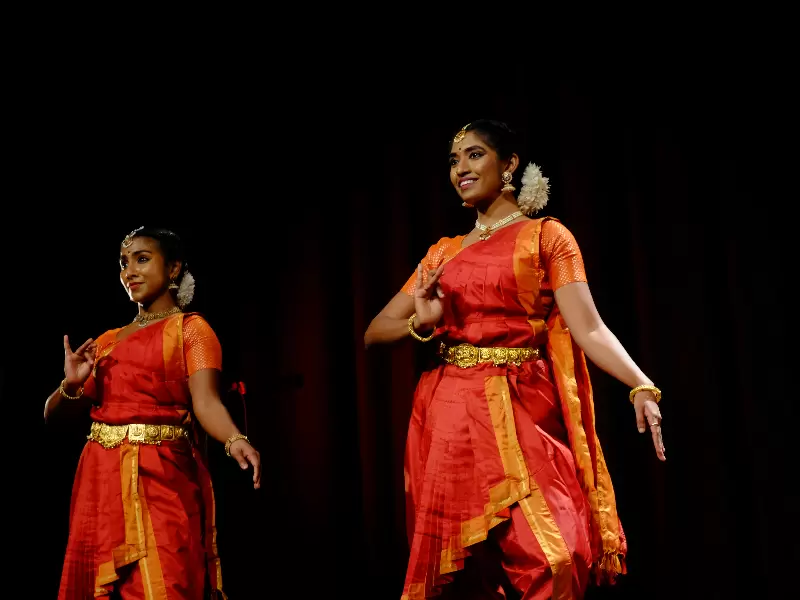 Indian-American kids are proving they don’t have to choose between being thoroughly American and deeply traditional / Pallavi Mehra
Picture this: You are driving down a sun-drenched street in Santa Monica, Orange County, or the San Fernando Valley. Past the beautifully manicured lawns and rows of Teslas, a familiar sound drifts through an open window. It is not pop music or the latest podcast. It is the rhythm of thattadavu footwork, or the soaring, microtonal curves of a Carnatic kriti. Welcome to Southern California’s desi underground, where centuries-old South Asian classical arts are not just surviving, but thriving amidst soccer practices, AP exams, and freeway traffic.
The Indian-American SoCal Balancing Act: AP Calculus by Day, Natyam by Night
Ask any second-generation, Indian-American kid in Irvine or Thousand Oaks what their Saturday looks like, and you might hear a sigh that echoes all the way to Chennai.
Growing up diaspora-style means living in two distinct universes. By day, these teenagers are conquering high school debate clubs, coding robotics, and stressing over the SAT. But by 6:00 PM, the sneakers are kicked off, the practice cotton saree or salwar goes on, and they are stepping onto the wooden floor of a suburban dance studio.
“By the time I get to dance class at 7:00 PM on a Thursday, my brain is completely fried from AP Physics. But the second I stamp my feet on the wooden floor, the school stress just kind of evaporates. It’s like hitting a physical reset button,” says Ananya, a Bharatanatyam student from Marina del Rey, California.
For parents, watching their kids navigate this act is a mix of immense pride and constant panic. “People back in India look at us and think it’s easy because we have bigger houses and cars. They don't see the 405 freeway traffic. But when I watch my daughter hold a steady note or execute a flawless posture, every single traffic jam is worth it,” adds Rajeshwari, a Carnatic dance mom from Santa Moncia.
Meet the Gurus: Adapting Tradition to the Land of In-N-Out
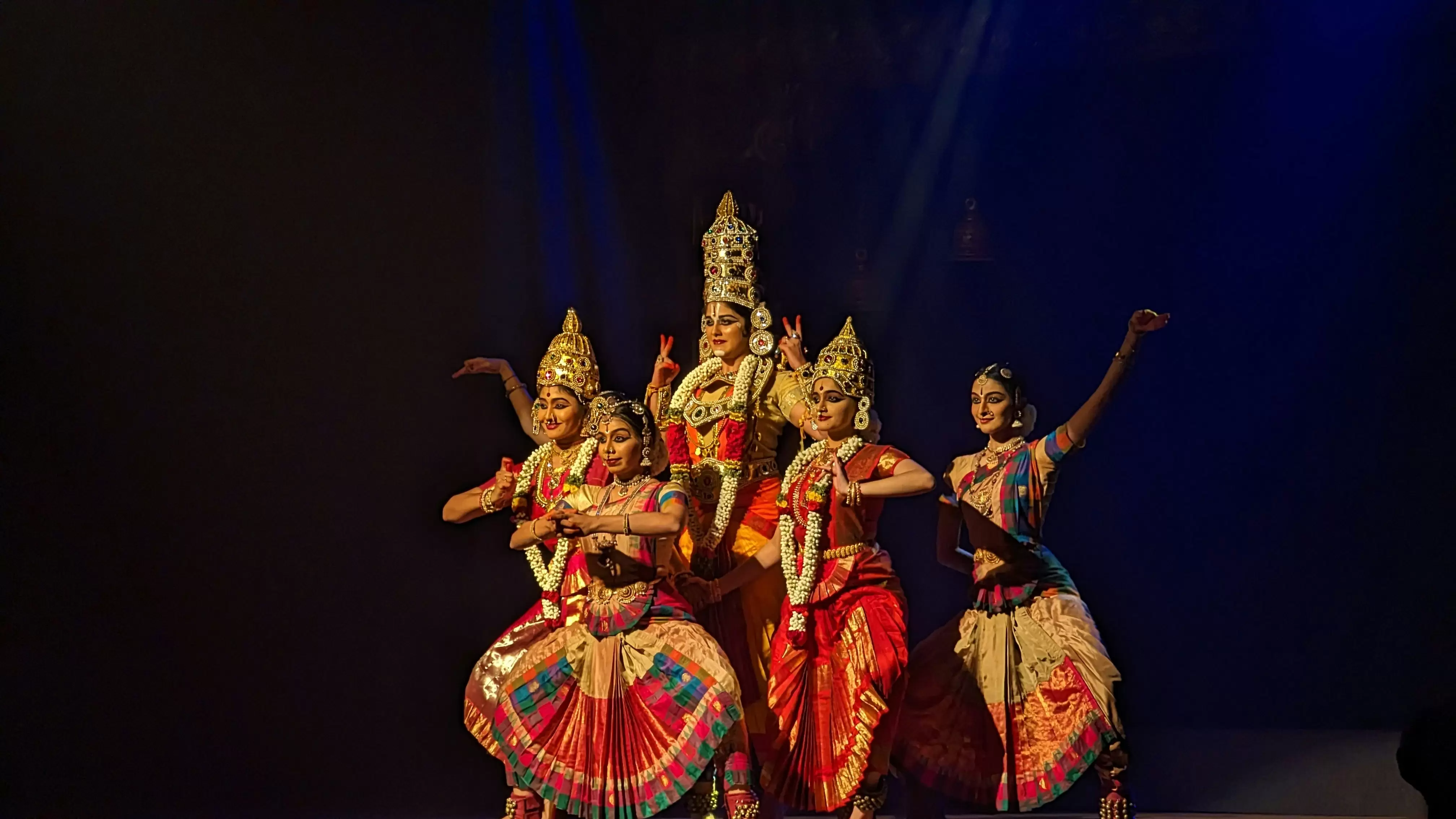
None of this cultural magic happens without the local gurus. These are the master teachers who moved halfway across the globe, and set up shop in strip malls, community centers, and converted living rooms across Southern California.
Back in India, the traditional guru-shishya parampara (teacher-disciple tradition) often meant endless hours of total immersion. But in SoCal, gurus have had to adapt in the following ways:
Tech Meets Tradition: Gurus are leveraging Zoom for quick makeup sessions, and students use slow-motion smartphone video to dissect their hand mudras and eye movements long after the teacher has gone home.
Relatable Gurus: Today’s teachers balance strict artistic standards with emotional intelligence, realizing that their students need a safe, encouraging space to decompress from the pressures of American high schools.
The Crown Jewel: The SoCal Arangetram
You cannot talk about the Southern California classical ecosystem without addressing the cultural Super Bowl of the suburbs: The Arangetram. When a student hits high school or college age, the decades of sweat, sore ankles, and vocal warm-ups culminate in the debut solo performance. In SoCal, these events are major productions. High school auditoriums and university theaters across Orange and Los Angeles counties are rented out, draped in fresh jasmine, and packed with hundreds of aunties, uncles, skeptical school friends, and proud parents.
“For months leading up to the Arangetram, my house looked like a costume warehouse mixed with a catering hall. I had blisters on my feet. But walking out onto that stage and seeing my non-desi school friends blown away by an art form from 2,000 years ago? Unmatched!” concludes Prarthana, an Arangetram graduate.
Therefore, second-generation, Indian-American kids are proving they don’t have to choose between being thoroughly American and deeply traditional, they can command a Silicon Valley boardroom tomorrow while holding the rhythm of a 2,000-year-old beat in their feet today. We are so proud!
Discover more at New India Abroad.
Leave A Comment
Related




ADVERTISEMENT

ADVERTISEMENT
E Paper
Video

Comments
Start the conversation
Become a member of New India Abroad to start commenting.
Sign Up Now
Already have an account? Login