Representative image / Pexels
I grew up in Dhakla village in Haryana, India, at a time when serious illness meant a long, uncertain journey to Chandigarh or New Delhi. Health care in rural India was limited not only by infrastructure but by access to knowledge. Today, thanks to the information technology revolution, that gap has narrowed. Knowledge travels instantly. Expertise is no longer confined to cities. And now, robotics and artificial intelligence, or AI, are rapidly changing the nature of health care.
As a gynecologic oncologist who has performed thousands of robotic surgeries in women’s health, I have witnessed firsthand how technology is transforming outcomes. Around 2006, I realized robotics would become central to the future of surgery. Surgery, after all, is inherently robotic. It involves repeating precise steps in a defined sequence to achieve consistent results. That makes it uniquely suited to robotic assistance.
But let me clear up a common misconception. Robotic surgery is not autonomous surgery. The robot does not operate on its own. The surgeon is always in control, guiding every movement the robot performs. It is essentially a tool that is, after all, controlled by a human.
Robotic systems provide magnified, high-definition visibility that allows surgeons to distinguish tissues with remarkable clarity. This means less blood loss, fewer complications such as infections, and faster recovery. Many procedures that once required days in the hospital can now be outpatient surgeries. For patients, this translates to less pain, shorter hospital stays, and quicker returns to daily life.
Yet robotics is not suitable for every case. Difficult anatomy, advanced cancer spread, or conditions such as very large fibroids may require conversion to open surgery. Patient factors matter too. For instance, obese patients may not tolerate the head-down position required for robotic pelvic surgery. Experience and judgment remain critical. Technology does not replace surgical wisdom.
The biggest barrier to adoption, especially in developing countries, is cost. Robotic platforms are expensive, and many hospitals cannot afford them. There is also a shortage of structured training programs for young surgeons and the support staff needed to run these systems. I believe this will change. As more companies enter the market and local manufacturing increases, costs will come down.
Alongside robotics, AI is entering the operating room and the hospital floor. Its role in surgery is still in its infancy, but it is promising. Imagine operating while an AI system displays anatomical overlays or instantly pulls up relevant portions of a patient’s CT scan. Outside the operating room, AI is already summarizing thousands of pages of patient records in seconds, automating check-ins through iris scans, monitoring vital signs through small devices, and flagging dangerous drug interactions in prescriptions.
However, AI comes with a serious caveat: garbage in, garbage out. If the underlying data is flawed, AI can produce dangerous errors. We must approach AI with caution, rigorous validation, and human oversight. These systems should assist clinicians, not replace their judgment.
Patients, particularly older ones, often express fear when they hear the word robotic. They imagine machines operating independently. Education is the antidote. Once patients understand that a trained surgeon remains fully in control, their anxiety usually turns into curiosity and often preference.
Looking ahead, I am skeptical of claims that fully autonomous surgery is just around the corner. Even self-driving cars have not achieved complete autonomy. In my view, the future of surgery is hybrid. Robots will handle smaller, well-defined tasks while surgeons focus on complex decision-making and critical portions of procedures. Autonomy may come for very simple surgeries in highly controlled settings, but not broadly anytime soon.
What excites me most is the potential for robotics and AI to transform rural health care. When I think back to my childhood in Dhakla, I imagine what it would mean for a patient there today to have access to advanced robotic surgery without traveling hundreds of miles. For this to happen, awareness is key. People must know these technologies exist and understand their benefits. When patients begin to demand robotic options because they know they reduce complications and hospital stays, adoption will accelerate.
Policy must support this transition. Governments can offer subsidies, reduce taxes on equipment, sponsor training programs, and encourage local manufacturing. Dedicated fellowships in robotic surgery, though still rare today, will likely become standard as the field grows. We must prepare the next generation of surgeons for a future where technology is deeply integrated into practice.
Robotics is an exciting field for young minds drawn to machines and innovation. It sits at the intersection of medicine, engineering, and computer science. Encouraging students to enter this space will not only advance surgery but also create a workforce ready for the next era of health care.
Ultimately, robotics and AI are not about replacing doctors. They are about enhancing our abilities, reducing human error, and expanding access to quality care. They are about ensuring that where you live, whether in a city or village, does not determine the quality of surgery you receive.
The most important step now is education of patients, policymakers and young doctors. When awareness grows, demand will grow. And when demand grows, access will follow.
The future of health care is not just digital. It is robotic, intelligent and, if done right, far more equitable than the past.
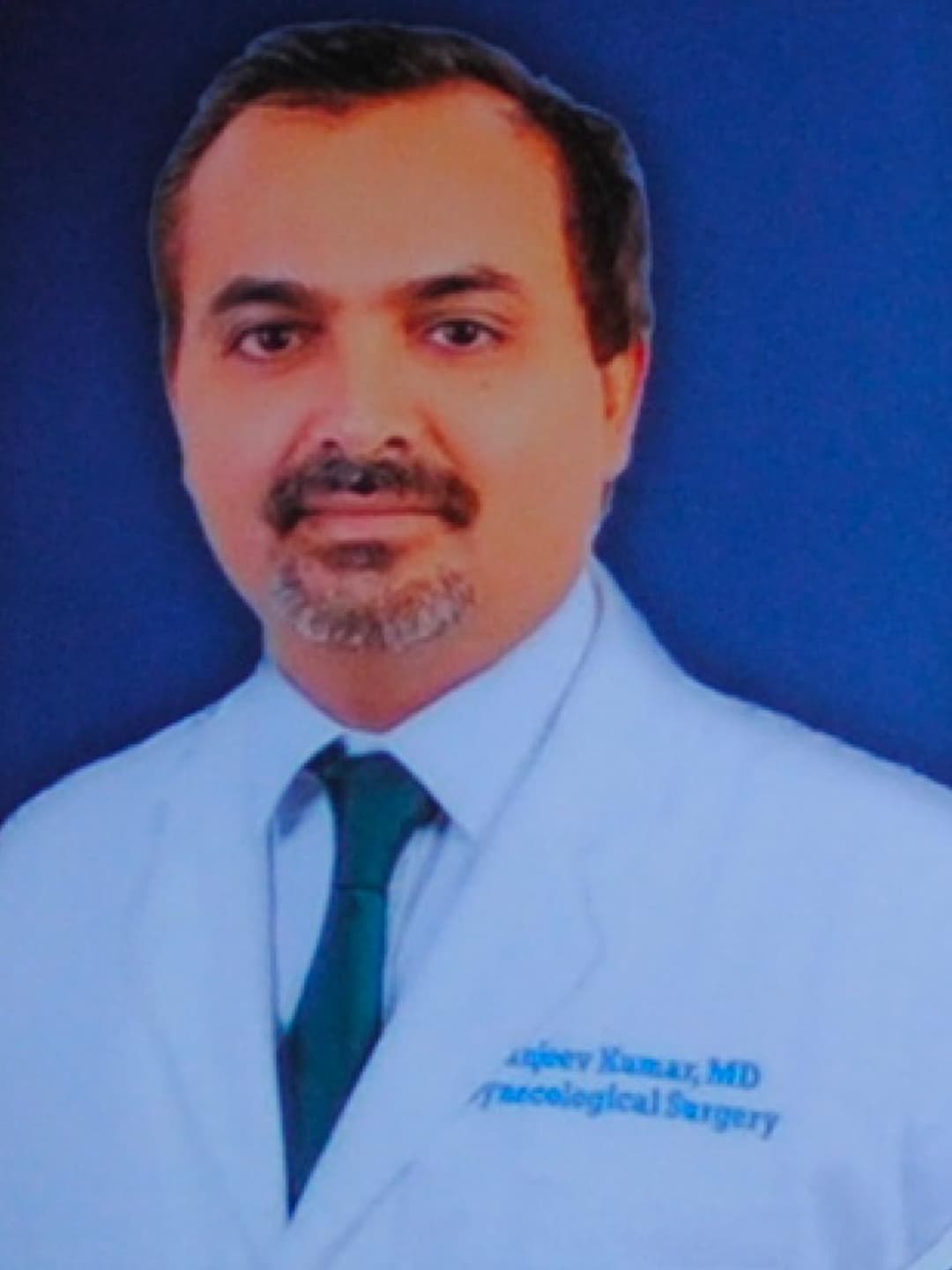
(The author is a gynecologic oncologist who has been at the forefront of robotic surgery. He is based in the United States.)
(The views and opinions expressed in this article are those of the author and do not necessarily reflect the official policy or position of New India Abroad.)
Discover more at New India Abroad.
ADVERTISEMENT
ADVERTISEMENT
Comments
Start the conversation
Become a member of New India Abroad to start commenting.
Sign Up Now
Already have an account? Login