ADVERTISEMENT
ADVERTISEMENT



The heart of gold – Amidst the dip
Gold always shines in chaos, wars, and uncertainty.
-
 Badri Narayanan Gopalakrishnan
 -
 Sarika Rachuri
 - Wed, 01, Apr 2026
- 09:48 EDT
- 284
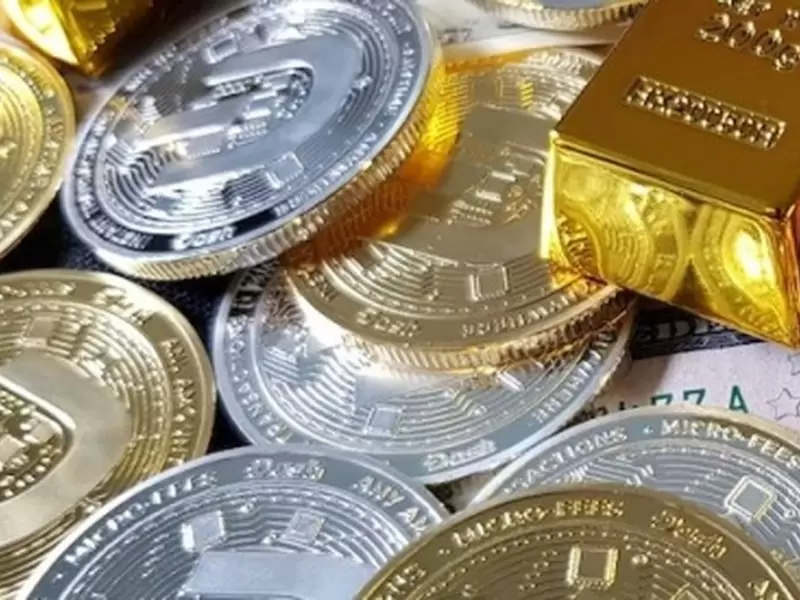 Gold and silver / File Photo/IANS
From time immemorial, war comes has brought collateral damage, with few clear winners.
The two World Wars, for instance, polarized the world into two opposite camps, as did the Yom Kippur War. In the aftermath of the Yom Kippur war, inflation rose to 11.1% by 1974 from the average 5%, earlier in the decade. The GDP growth contracted, and U.S. ushered in stagflation. However, one clear winner that emerged from the debris of war, was precious metals, and, in particular, Gold.
Traditionally, Gold always shines in chaos, wars, and uncertainty. These lead to more expenditure on economically unproductive assets like armaments, defence, etc. This fuels inflation, against which Gold has traditionally served as a hedge.
After the Yom Kippur war, Gold price moved from $ 40 to $45 per ounce to $160 per ounce by 1975 and $300 per ounce by 1979. This surge in gold prices brought out its role as a hedge in periods of high inflation and uncertainty.
The second rationale lies in erosion of confidence in the current global reserve currency – the U.S. Dollar. Then oil embargo in 1973-1974 exposed the underlying vulnerabilities of the U.S. Dollar. Stagflation was new and confusing. Central Banks raised interest rates to counter this, but remained behind the curve.
The burden of a reserve currency country forces running a current account deficit, for wider use of the currency globally, and this needs periodic correction too, as evidenced by agreements like the Plaza Accord.
Moving fast forward to the present age, the same economic variables are shown in a new light. The current conflict involving U.S. Israel, and Iran has heightened global uncertainties. Crude oil, the only enduring constant across conflicts has once again galloped to cross the $100 per barrel mark.
his has rekindled inflationary pressures in the U.S. There was an increase in inflation and interest rates post Covid, but settled at higher levels thereafter primarily due to the reciprocal tariff regime. This was where central banks stood, when the U.S. Israel – Iran conflict exploded. Interest rates have therefore remained relatively high reflecting central banks’ caution in the face of persistent inflation.
The yields have hardened and made interest bearing assets like bonds attractive, resulting in precious metals being sold in the short term, as the fundamental characteristic of commodities – storage costs, acts as a negative interest rate, and the gulf widens as bond yields and interest rates go up.
What is different from the 1974 period to today, is that the U.S. economy is far more insulated from the crude oil shock, as it has become the swing producer of gas and oil, post the shale boom. This structural strength is providing the U.S. Dollar with a strong footing, with flows coming into it as a short term safe haven from assets like gold and global equities.
The landscape of hedging has also evolved with crypto currencies becoming a more volatile cousin to precious metals and gold. In the crypto universe, stable coins have emerged as the stabilising force, while allowing retail participation in currencies, as well as splitting the earlier precious metals investment allocation, also to cryptocurrencies.
Before the U.S. Israel and Iran conflict began, Gold and Silver had surged to new lifetime highs in January this year. Central banks increased their gold reserves following the Russia Ukraine conflict. The aggressive purchases from central banks lately have been reversed as, there are instances of discernible sales of gold by the central banks of Russia, Poland, Turkey and the like. The increased supply put downward pressure on prices.
Skeptics and market gurus are questioning the earlier narrative of Dollar debasement, given the recent fall in gold prices. The blip, however, is expected to be short term, and primarily due to the initial outbreak of war. Lest we forget, the U.S. debt has increased to $ 39 trillion, and interest payments on an annual basis is set to cross $ 1 trillion.
This humungous debt would eventually need to be paid down and unwound for global markets stability and economic rebalancing.
Investors, like miners for the heart of gold, continue crossing vast oceans of uncertainties and will keep searching for gold. All patient seekers, will find an enduring value and gold will regain its shimmer in the long run.
Dr. Sarika Rachuri is faculty member, ICFAI University - IBS Mumbai, and Dr. Badri Narayanan Gopalakrishnan is an Affiliate Faculty Member, Applied Economics, Boston College, USA
Leave A Comment
Related











ADVERTISEMENT

ADVERTISEMENT
E Paper
Video

Comments
Start the conversation
Become a member of New India Abroad to start commenting.
Sign Up Now
Already have an account? Login