ADVERTISEMENT
ADVERTISEMENT



An Indian summer of discontent
Indian youth face anxiety about their future amid a rapidly evolving geopolitical and economic landscape shaped in part by innovation in Artificial Intelligence.
-
 Avatans Kumar
 - Sat, 25, Jul 2026
- 13:51 EDT
- 48
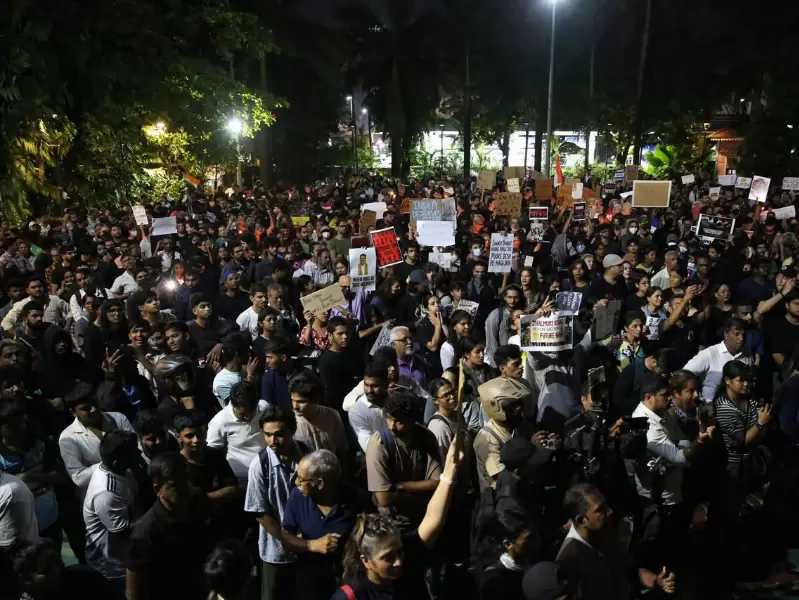 Youth protest in Goa as part of nationwide protests / X@Cockroachisback
The summer of 2026 in India has been characterized by an unexpected controversy. Rather than the customary discussions about the monsoon and the delicious varieties of Indian mangoes, public discourse on major television channels and in social media groups has centered on the topic of cockroaches.
Let me explain.
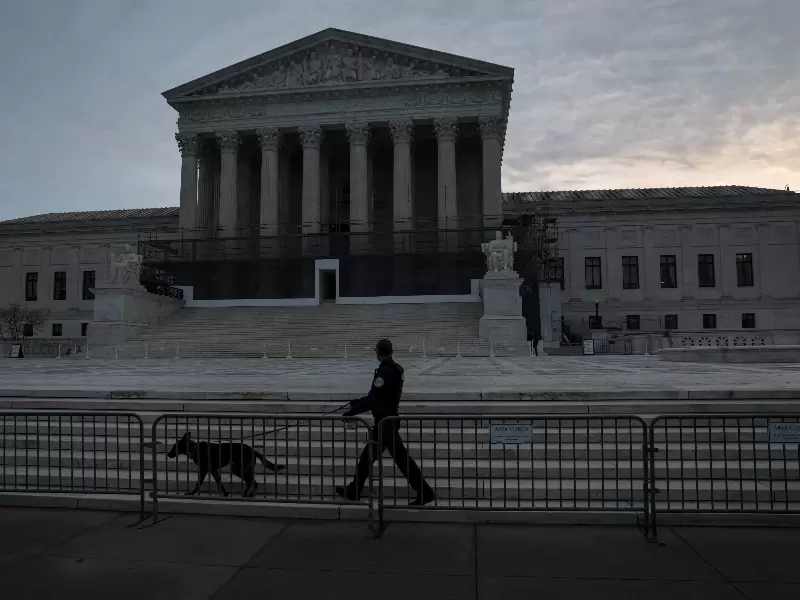
It all began with some gratuitous remarks by the Chief Justice of the Supreme Court of India, which led to significant repercussions. The Indian judiciary, known for making provocative statements, to put it mildly, inadvertently incited unrest that escalated to public demonstrations in Delhi. This situation presented considerable challenges for the Bharatiya Janata Party (BJP) government, currently in its twelfth year under Prime Minister Narendra Modi.
Also Read: Youth-led protest ends in India's Education Minister's resignation
On May 15, 2026, during a Supreme Court hearing, the Chief Justice of India (CJI), Surya Kant, referred to a group of youth activists as “cockroaches” and “parasites of society.” Although the CJI later issued a clarification, these remarks provoked widespread public outrage and resonated with millions of young Indians who already face systemic pressures in education and employment.
On May 16, 2026, Abhijeet Dipke, a 30-year-old political communications strategist and former university student, transformed the CJI’s insult into a rallying point for protest. He posted on social media, "What if all cockroaches came together?" This post catalyzed the formation of the Cockroach Janata Party (Cockroach People’s Party).
Initially conceived as an online satire page, the initiative quickly evolved into a significant digital movement. Its focus shifted from satire to addressing substantive student grievances, particularly the recurring leaks of entrance examination papers for educational institutions and job recruitments, such as the NEET medical exams. The movement called for structural reforms to national testing agencies and demanded the Minister of Education's resignation, holding him directly responsible for these examination paper leaks.
There is broad consensus that the concerns raised by students are legitimate. Authorities, including political leaders, academics, and bureaucrats, have all repeatedly played a significant role in the corruption and should be held accountable. Examination paper leaks and delayed academic sessions have affected Indian colleges and universities for decades, predating both the BJP's tenure and Prime Minister Modi's leadership. Many individuals who grew up in India experienced these challenges firsthand. Even during Prime Minister Modi’s tenure, numerous irregularities have occurred outside the federal government's jurisdiction, as state governments manage their own affairs under India’s federal structure. However, the current generation of Indian youth, shaped by rapid advancements across various sectors, has only seen Modi at the helm and possesses limited familiarity with pre-Modi-era India and the historical context of such irregularities. They hold Prime Minister Modi responsible for the mess.
India is the most populous country in the world, with a population four times that of the United States. Over 50% of India’s citizens are under the age of 25. The Indian approach to Diversity, Equity, and Inclusion (DEI), along with affirmative action policies such as quotas and reservations in educational institutions and employment, is perceived as disadvantaging specific groups, generating significant resentment among youth.
Additionally, Indian youth face anxiety about their future amid a rapidly evolving geopolitical and economic landscape shaped in part by innovation in Artificial Intelligence. This generation must also navigate a complex environment in which the influence of a 5,000-year-old civilization intersects with the demands of modernity, resulting in widespread unease.
By June and July 2026, scenes reminiscent of the early 1990s anti-quota student movement, known as the “Anti-Mandal” movement, began to emerge. Opposition politicians and left-wing activists, frequently associated with opportunistic involvement intended to undermine Prime Minister Modi’s government, joined the protests. The legitimacy of the movement has been questioned due to the participation of leaders who have consistently opposed the BJP and Prime Minister Modi and have been repeatedly discredited and rejected by the electorate.
Critics of the Cockroach movement contend that its rapid transformation from a satirical online campaign to mass street mobilization exceeded its organizational capacity. Consequently, the leadership was not adequately prepared to manage large crowds or prevent confrontations with law enforcement. Allegations of violence were made against both protestors and police. Reports and images of vandalism and violence, including incidents involving journalists covering the protest, have circulated widely on social media. Political violence reflects a failure to engage constructively and must be unequivocally condemned.
The right to protest is a fundamental component of a democratic society. However, the movement's demands, which focus on the resignation of a single minister, appear disproportionate to the extent of disruption in central Delhi. These disruptions include blocked traffic affecting tens of thousands of commuters and increased pressure on police resources during the monsoon season. Employing tactics such as a 'fast unto death' to demand a resignation constitutes coercive pressure and does not represent an appropriate method for seeking accountability.
Numerous commentators have expressed concern and disappointment that the protesters’ platform was used to exhibit anti-Hindu bigotry.
Some commentators argue that the movement's adoption of the term "cockroaches," which has gained significant traction on social media, risks transforming a legitimate concern about examination integrity into a branding exercise driven by online popularity rather than substantive policy proposals. Furthermore, critics assert that by repeatedly organizing marches toward Parliament despite anticipated police resistance, the organizers share responsibility for injuries sustained by both protesters and security personnel.
The sustained pressure from the protests, primarily centered in Delhi at Jantar Mantar-- a common protest site in the New Delhi capital region-- led to negotiations with the Modi Government. These negotiations culminated in the resignation of Education Minister Dharmendra Pradhan, the key demand of the protestors. Following commitments toward exam reform, compensation for affected student families, and immunity for student protesters, organizers have called off the protest.
Many observers may interpret this outcome as a setback for Prime Minister Modi’s image and his government. However, Prime Minister Modi is a seasoned grassroots politician widely regarded as a visionary leader in contemporary India. Contrary to media portrayals of him as a firm and ruthless autocrat, he is a committed democrat who remains attuned to public sentiment. He has repeatedly demonstrated a willingness to listen and adapt, as evidenced by his actions during the anti-Farm Bill agitation and in the aftermath of legal and legislative setbacks, such as the National Judicial Appointment Commission (NJAC) and the Land Acquisition (Amendment) Bill (2014-2015).
The Cockroach movement has demonstrated that, despite his media persona, Prime Minister Modi is vulnerable. Nevertheless, both the BJP and Prime Minister Modi have exhibited resilience, a willingness to learn from mistakes, and the capacity to outlast their political adversaries.
(The views and opinions expressed in this article are those of the author and do not necessarily reflect the official policy or position of New India Abroad.)
Discover more at New India Abroad.
Leave A Comment
Related


.jpg)


ADVERTISEMENT

ADVERTISEMENT
E Paper
Video

Comments
Start the conversation
Become a member of New India Abroad to start commenting.
Sign Up Now
Already have an account? Login